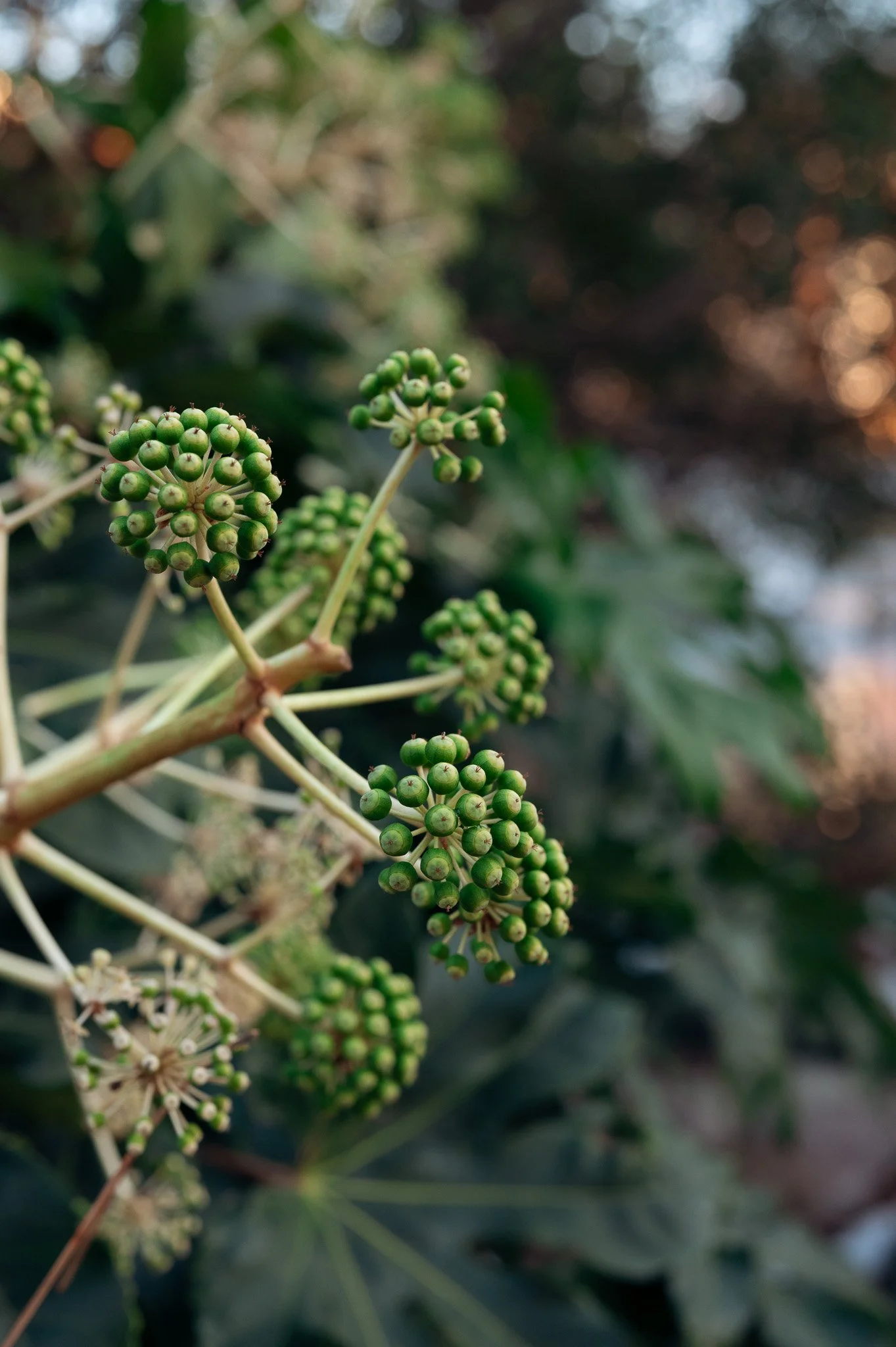
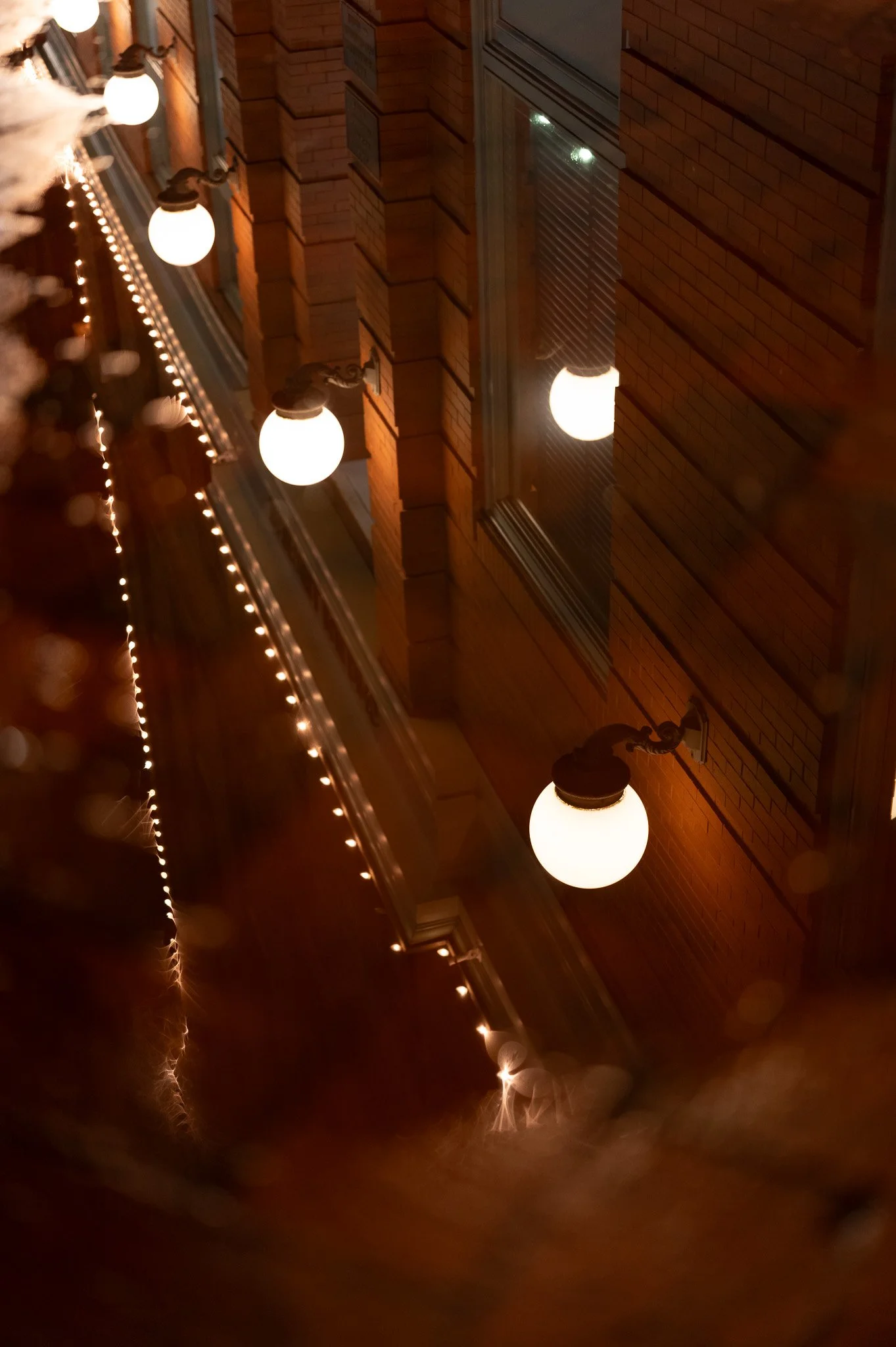
Lens Review: Leica 50mm APO Summicron-SL
Welcome to the new year, and welcome to my first review of 2026. Now that the holidays are done and things have finally calmed down, it is time to get back into writing some more reviews. In this review, I want to discuss one of my favorite lenses in the L-mount alliance: the Leica 50mm APO Summicron-SL.
What I want in a 50mm lens
I am primarily a 50mm shooter; my eyes tend to focus on details when I look at an object or scene, so it feels more natural to me. Overtime I have realized what I want in an everyday carry 50mm lens. I want something that gets out of my way when shooting, balances well on the camera (not too front-heavy), and doesn’t have a bunch of buttons or switches.
More than anything, I care about how a lens renders an image. When I look at the files, I want to feel impressed before I start correcting anything in Lightroom. That sense of clarity, subject separation, and color matters the most.
When I first got into the Leica SL line, this focal length was the one I looked into, but the Leica APO Summicron-SL was not my first choice, mainly due to budget constraints. In this review, I will discuss some other lenses I tried and compare them with the APO Summicron-SL. Much of what I discuss here also applies to the other Leica APO Summicron-SL lenses, so if you are in the market for a different length or just curious about the APO line, there will still be useful information here.
Build Quality: Why this feels like a tool, not a toy.
Before getting into comparisons, let’s briefly discuss its features and what makes it stand out. If you are new to my reviews, I don’t go into too much technical detail, but I will discuss the lens's features and my experience with it.
What sets this lens apart from most lenses is its build quality. It has an all-metal body and is fully weather-sealed throughout, allowing you to use it in harsh conditions. With no added buttons or an aperture ring. I have confidently used this lens in humid conditions, the middle of winter, and during a tropical storm, and on windy days at the beach; in short, this is not a lens I am afraid to take out and use.
Because of the all-metal body, some will consider this lens heavy. I agree it's not light, but I have never had issues walking around with it for long periods. To me, it feels balanced on an SL camera and feels like a well-built tool. It’s the first lens I grab when I go out with the SL3.
That build quality changes how I shoot. I spend less time worrying about the lens and more time paying attention to what’s in front of me. For an everyday 50mm, that confidence matters as much as image quality.
Rendering and Aperture
The APO in the name stands for apochromatic, which I’ll keep it simple and say: it is corrected across the frame to eliminate chromatic aberrations. Lightroom has improved at making these corrections, so it could be argued that this is not essential, and maybe not necessary to some, but I think it is worth it for a lens you use all the time.
The aperture ranges from f2 to f22; this could give others pause, especially for a lens in this class. I was always in the mindset that a prime lens needs to be superfast, f1.2 should be the goal, but after using this lens for some time, I don’t think that was as much anymore. I won’t blame or argue with anyone who wants a faster aperture, but I will say this: with this lens, it isn't needed. The way this lens was designed creates a 3D pop and separation that feels faster than f/2. The colors really pop with this lens, and the bokeh is silky smooth. It’s the kind of lens that, even if the camera's focus is off, the image can still be very pleasing to the eye. We will come back to this a little later, when I compare it to the Sigma 50mm 1.2 Art DG DN lens.
Autofocus: Even broken, it still impresses
Finally, autofocus speed is probably one of the most important factors for many people. Before I go into this, I need to pause and tell the story of how I got this lens...
My lens was purchased used from MPB. The listing reported that the autofocus would intermittently stop working, but manual focus still worked; as a result, a hefty discount was given. I figured that I probably wasn’t going to ever get this lens new, and even getting it used would take a while to save up for. “Intermittently” is a very general term, and MPB has a great return policy, so I rolled the dice and got it. A year and a couple thousand images later, it’s back home in Germany, getting the AF motor and some electronics replaced.
That said, I never had any issues or complaints with the autofocus. It never focused in and out like Sigma lenses sometimes do. I would compare it to feeling snappy, like Lumix lenses. My copy made some noise, but I assume it was because the AF motor had an issue. I will know more when I get it back. From what I have read, it’s not quiet, but even with a defective AF motor, it wasn’t distractingly loud either.
50mm Alternatives I tried Before Choosing the APO Summicron-SL
So, how does this lens stack up against other 50mm lenses in the L-mount alliance? I already gave this away when I said in the intro that this is my favorite 50mm. Rather than pixel-peeping, these comparisons are based on how each lens felt to use and how the images held up in everyday shooting. For those who want a really good comparison and some pixel peeping, I will point you to two of Alex Barrera’s YouTube videos where he does some fantastic comparisons: Sigma 50mm 1.2 DG DN vs Leica 50mm APO SL Summicron and Leica APO vs. Summilux vs. Cron. I will discuss my experience and thoughts on some of the lenses I have tried before landing on the APO Summicron. If you are in the market for a 50mm lens, I hope this section provides some insights and prompts you to consider a few things.
Sigma 50mm f1.2/1.4 DG DN Art: Speed vs. Refinement
I rented the Sigma f1.2 in the L-mount and owned the Sigma 1.4 in the Sony E-mount, so I will lump these two together. I’ll start by saying that if budget is a factor, both are fine lenses and come very close to the APO Summicron in image sharpness.
What I think Leica has over these Sigma lenses is better correction, better colors, weather sealing, and body design.
You will see chromatic aberrations in Sigma lenses, whereas Leica lenses are corrected. On bright days, if you are taking images of streets with power lines or foliage, you will notice the difference between these lenses; for black-and-white photography, this shouldn’t be a factor. One thing to note, on the Sigma, I felt like the f1.2 showed more aberrations than the f1.4 version.
Now, this next statement is entirely my opinion, and not gospel, but I feel like the Leica lens has better colors right out of the camera. Not to say the Sigma is bad, but I find I do less color correction on images taken with the Leica 50mm APO. To me, these Sigma lenses are a bit flatter and cooler, while the Leica has a bit more pop and leans towards a warmer tone (which is my personal preference). So, for you, this may not be a big factor; a few moments in Lightroom or some good presets could make it moot.
Next, let’s look at the physical characteristics of each brand.
Some people may like that Sigma lenses have an aperture ring, and I think that is a fair ask for a lens. On my manual lenses, I love having the aperture ring, but on larger autofocus lenses, I don’t like them as much; maybe it’s the implementation. I also see this as another point of entry for moisture, and with the extra buttons and switches on the Sigma lenses, it starts to add up.
Finally, this is more of a preference, so take it as you will: I prefer the APO body’s design. The all-metal body feels substantial and better in the hand. Both weigh the same (740g), while the Leica is almost 10mm shorter, has a smaller diameter (Sigma 81mm, Leica 73mm), and has a 67mm filter thread, which means I can use the same filters across multiple lenses. These factors add up, making the shooting experience better for me.
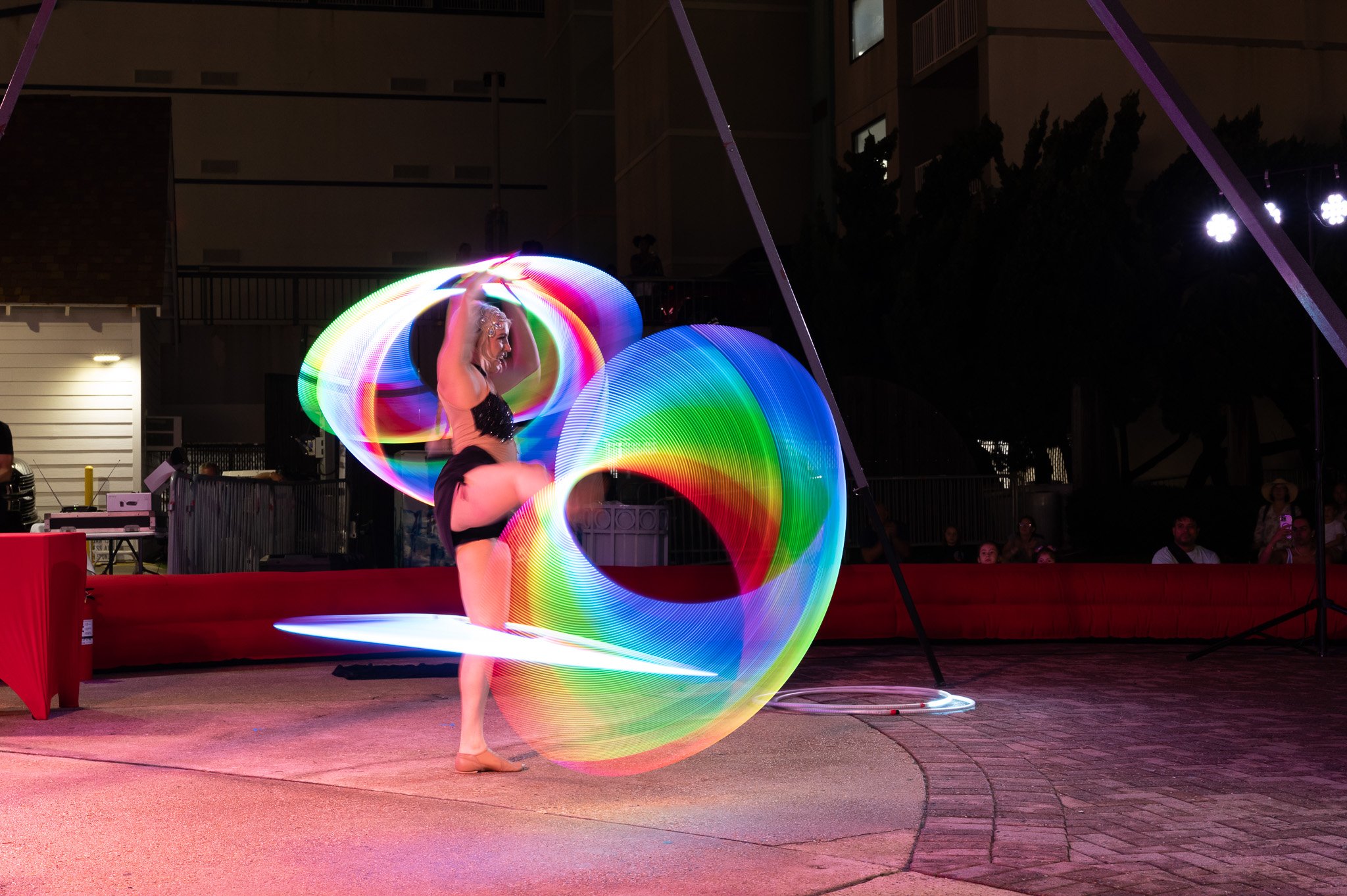
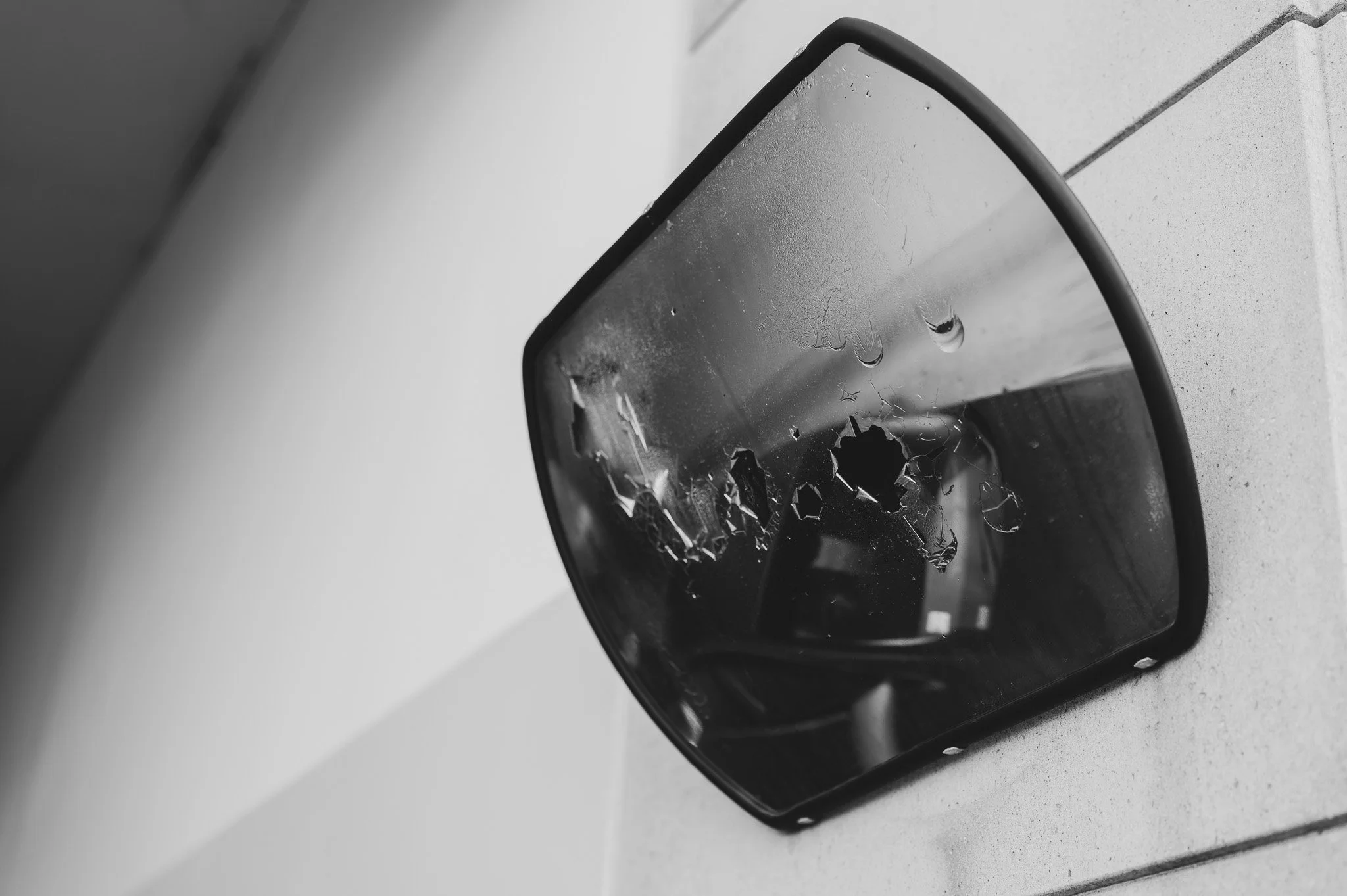
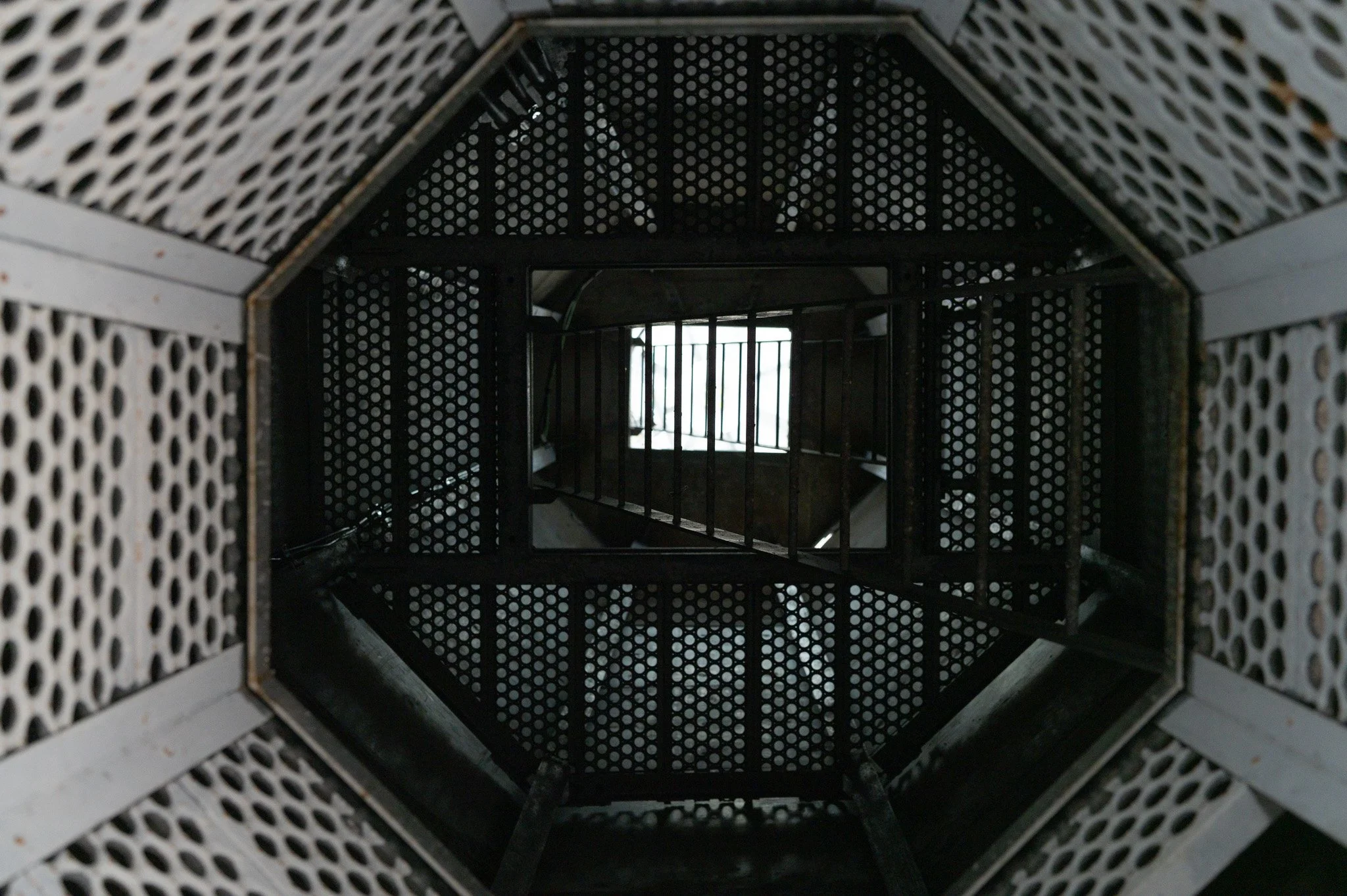
So, the Sigma comes close, but there are just enough differences that make the Leica APO Summicron-SL the better fit for me. The images below were taking using the Sigma 50mm DG DN f1.2



Sigma 50mm f2 DG DN Contemporary: A Compact Temptation
This can be seen as a lens in a different class and not an even comparison, but I will be honest, at times, I have considered switching to this lens. So, I think that it would be beneficial to discuss this here. The Contemporary lens is much smaller and lighter than the lenses mentioned earlier, but it still produces a fantastic image. It has an all-metal body, with an aperture ring, magnetic lens cap, and the same minimum aperture as the Leica APO Summicron.
In my opinion, this lens handles chromatic aberrations better than the art lenses. I haven’t done 1:1 comparisons, so the conditions may be different, but when I look through my image catalog, they are much less apparent. Even at f2, this lens gives good subject separation, like the Art lenses. I do feel like the colors do need a little tweaking in Lightroom.
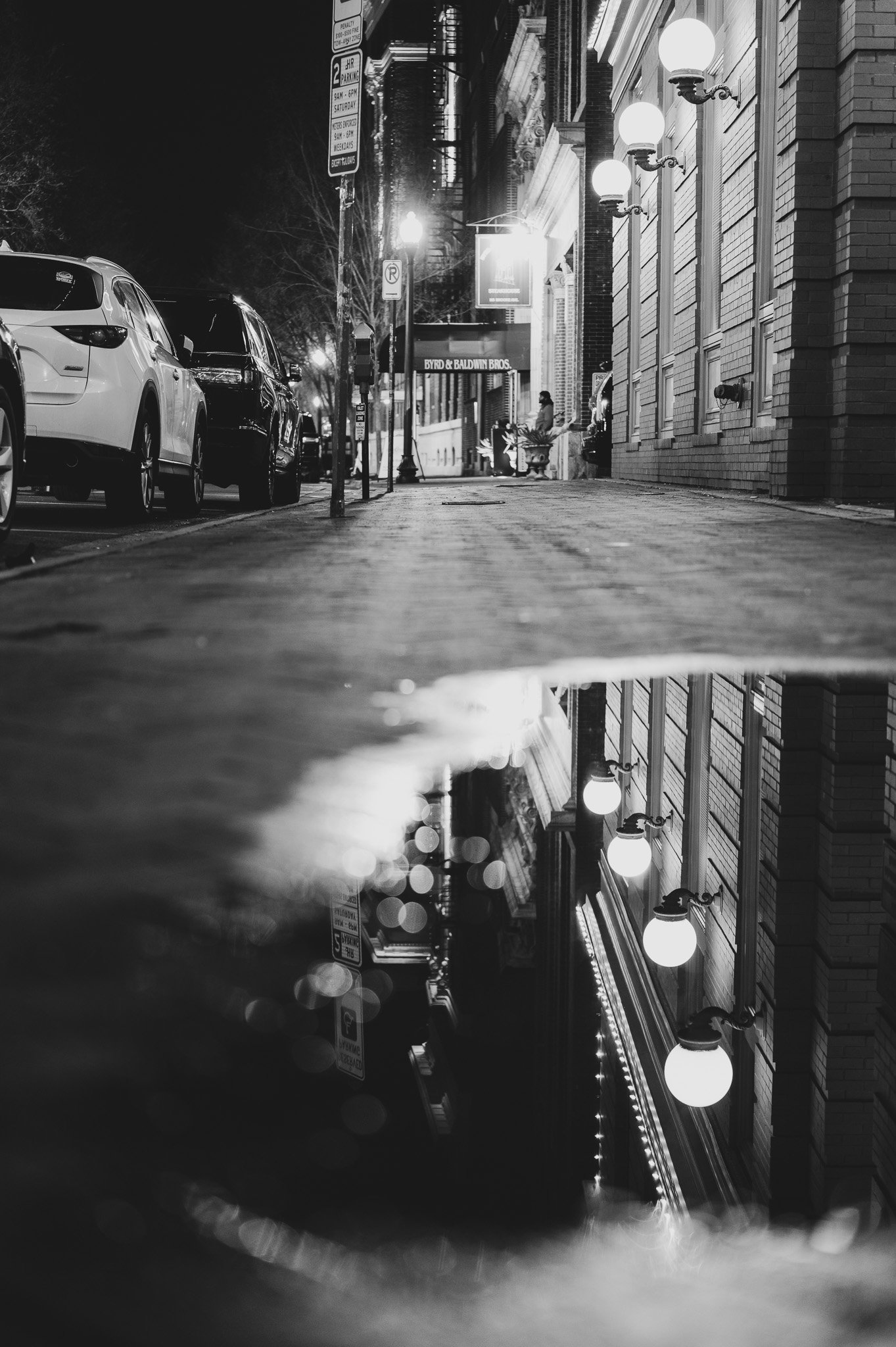
If you are looking for a way to make your SL more compact, almost Q-like, this is a fantastic option. Below are some sample images from the Sigma 50mm DG DN Contemporary.





Leica 50mm Summicron-SL (Non APO): The Little Brother Alternative
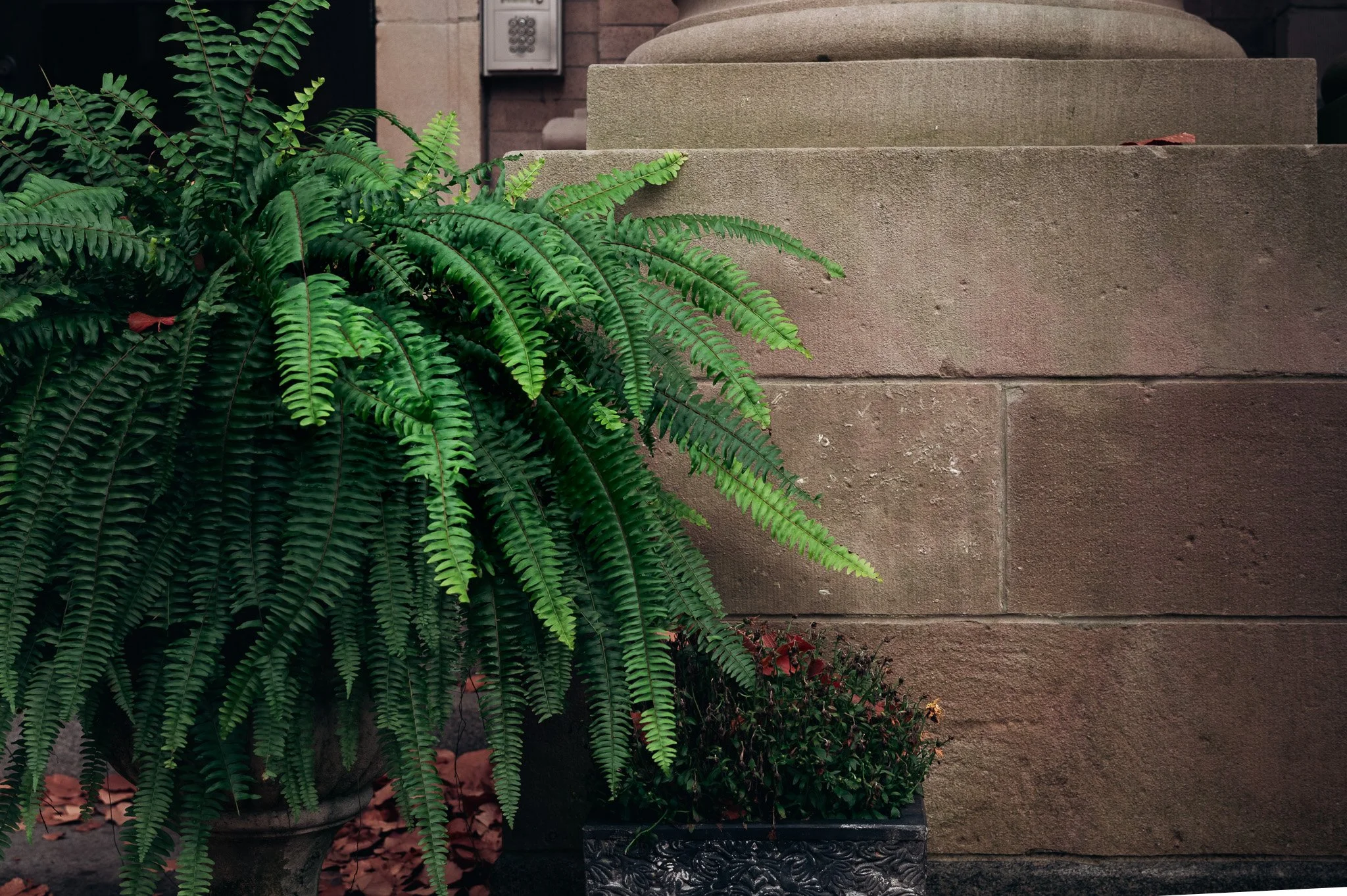
This is the little brother to the Leica APO Summicron. It should be noted that some people say that this is a rehoused Panasonic Lumix lens; maybe it is, maybe it isn’t. I never tried the Lumix version; their lenses render images very nicely, but I am not a fan of how plastic they feel. That said, I have compared it to the Sigma 50mm DG DN Contemporary. The Sigma is sharper, but to me, the Leica has better image rendering. Meaning that although the Sigma is sharper, the colors are smoother and have a bit more pop more, a little less clinical.
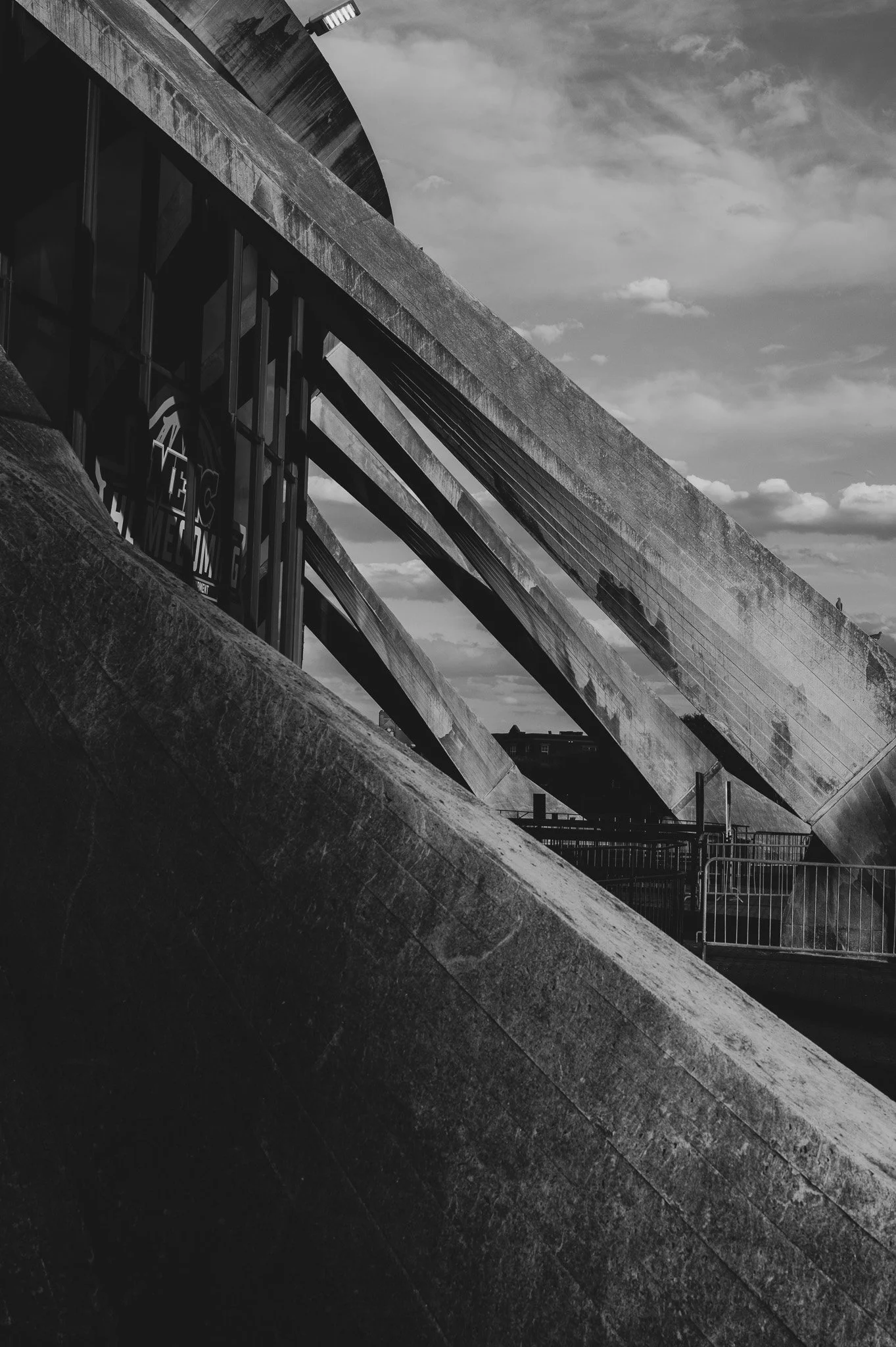
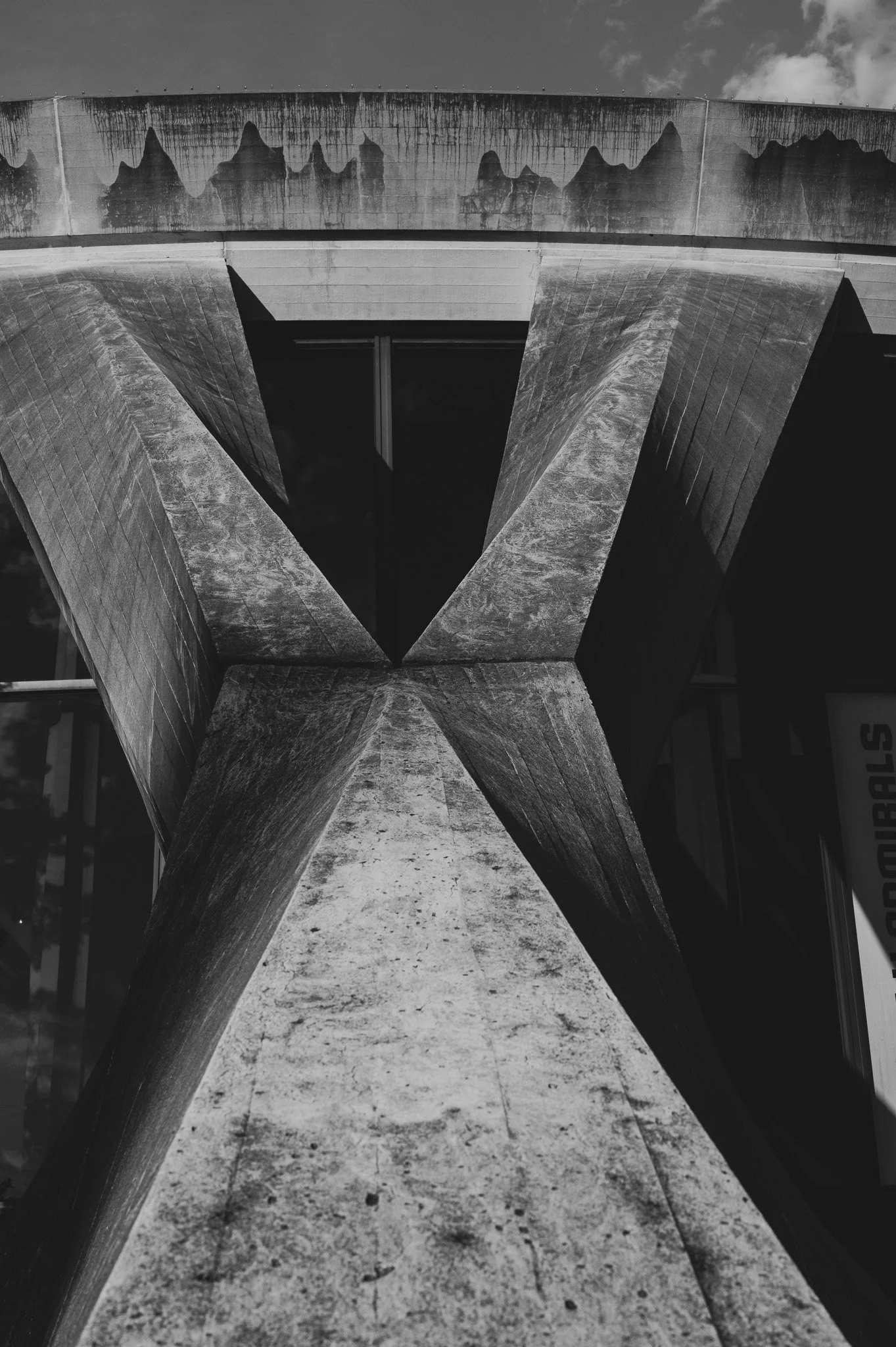
Like the APO Summicron-SL, this lens has an all-metal, weather-sealed body, so if build quality is important, and APO correction isn’t a huge factor for you, it's a great alternative. Below are some sample images from the Leica 50mm Summicron-SL (non APO)







Who this Lens is For and Who Should Pass
This lens makes the most sense for photographers who shoot in a wide range of conditions and want gear they don’t have to baby. The build quality gives you confidence in bad weather or unpredictable environments, and the image quality delivers sharp, clean files with colors that pop with minimal effort. It’s the kind of lens you buy once and keep mounted most of the time. Whether you’re shooting street scenes, landscapes, or everyday work, it’s versatile enough to handle it all.
On the other hand, if your priority is a compact or lightweight setup, this probably isn’t the right choice. If you frequently shoot in very low light and rely on wider apertures to compensate for older camera sensors with limited high-ISO performance, a faster lens may suit your needs better. And if the cost—especially when buying used—pushes beyond your comfort zone, there are excellent alternatives that deliver strong performance at a lower price.
Conclusion
So, what makes this lens so special to me? The build quality, for one. I appreciate that I can take this lens out in just about any condition, and I have peace of mind. I also like that it does feel smaller and lighter on the SL3 than its two Sigma counterparts.
The way it renders an image is the most important factor to me; it gives me a crisp, clean image with colors that pop. It’s a lens that gives me an image I manipulate in Lightroom rather than correct, if that makes sense.
Not to draw this out, but one anecdote, I had recently tried a Hasselblad 907x 50c, a camera I had wanted to get my hands on for a little while now. It really does produce some great images, but I found myself many times thinking that my 50mm APO, to my eyes, can give me images that look just as good.
If you are in the L-mount, whether it’s a Leica or a Lumix (or Sigma too!), I would highly recommend getting your hands on one and giving it a try. Drop a comment below to let me know your favorite 50mm lens, or if you have any questions about it!
Affiliate Links
As always, I recommend buying used from either MPB or KEH, both of which have a great return policy. If you do, please consider using my affiliate link to help me keep this site going!
I am not affiliated with Lensrental.com, but this is where I rent my equipment. If you're in the United States and considering renting cameras, lenses, or other equipment, please use the code below and give them a try. It will provide me with a small discount on future rentals, which will lead to more reviews!
https://share.lensrentals.com/x/8BG6mh
Sample Gallery