L-Mount Macro Options: Leica 100mm f/2.8 APO-Macro-Elmarit-R
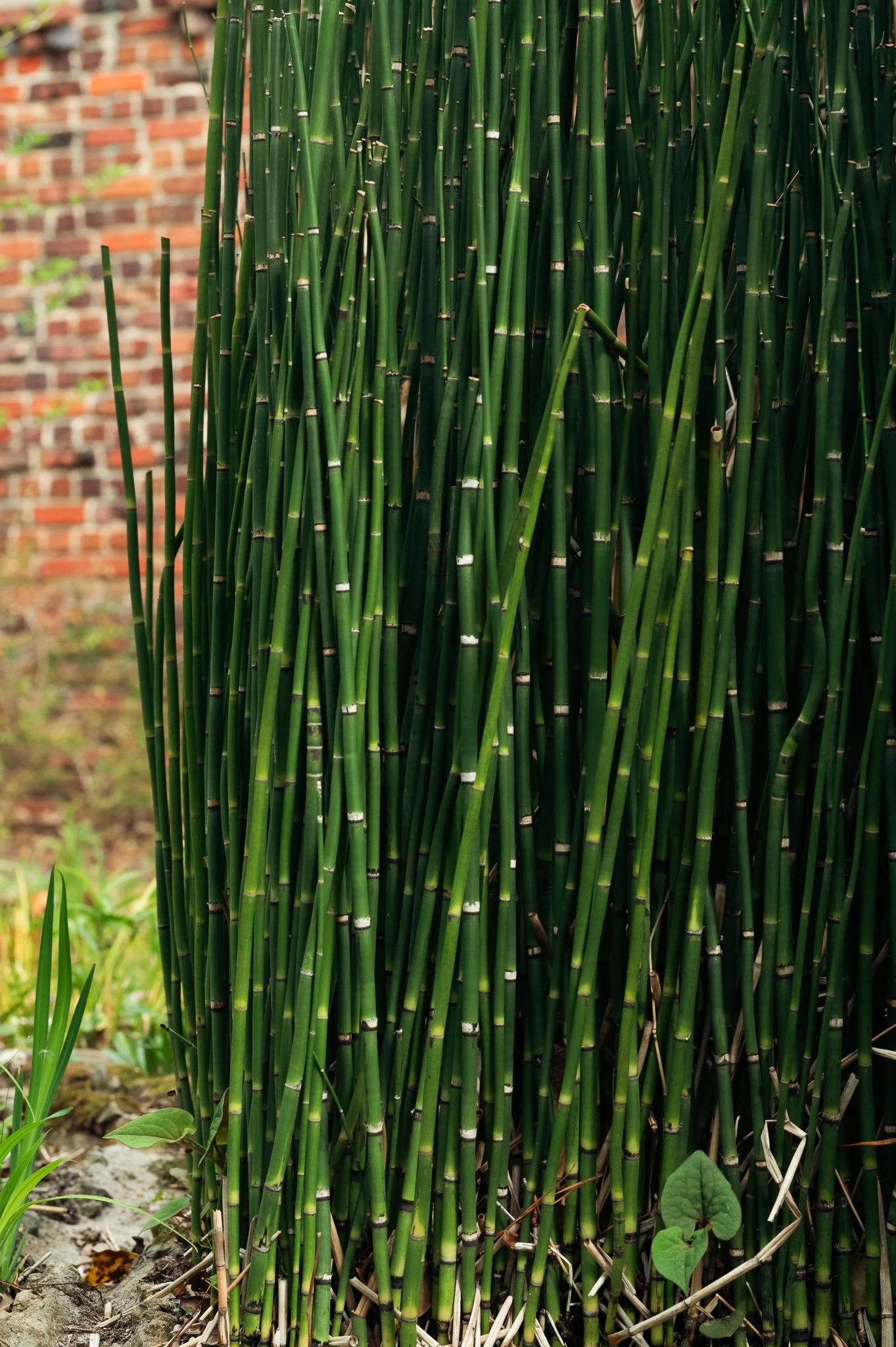
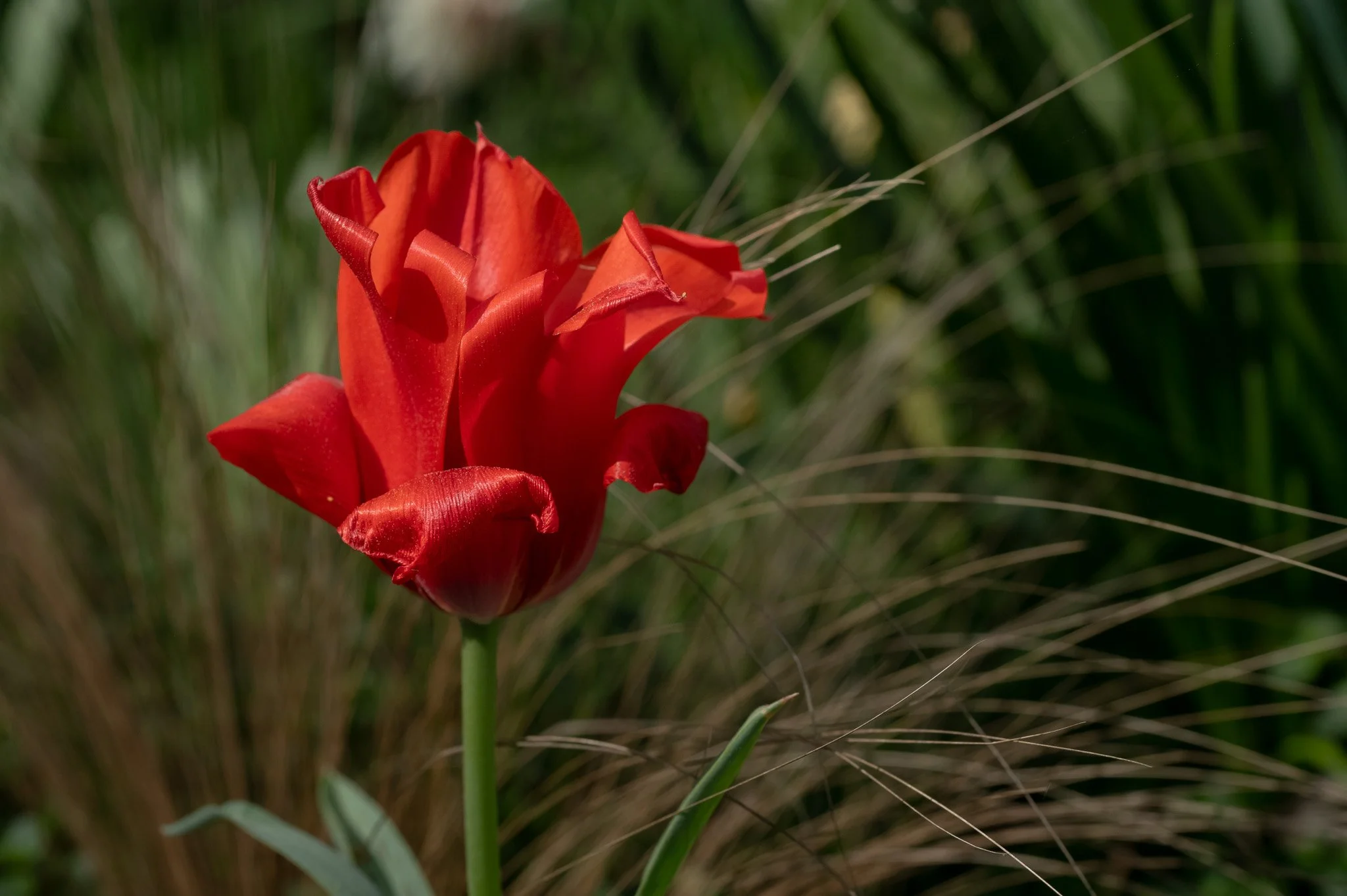
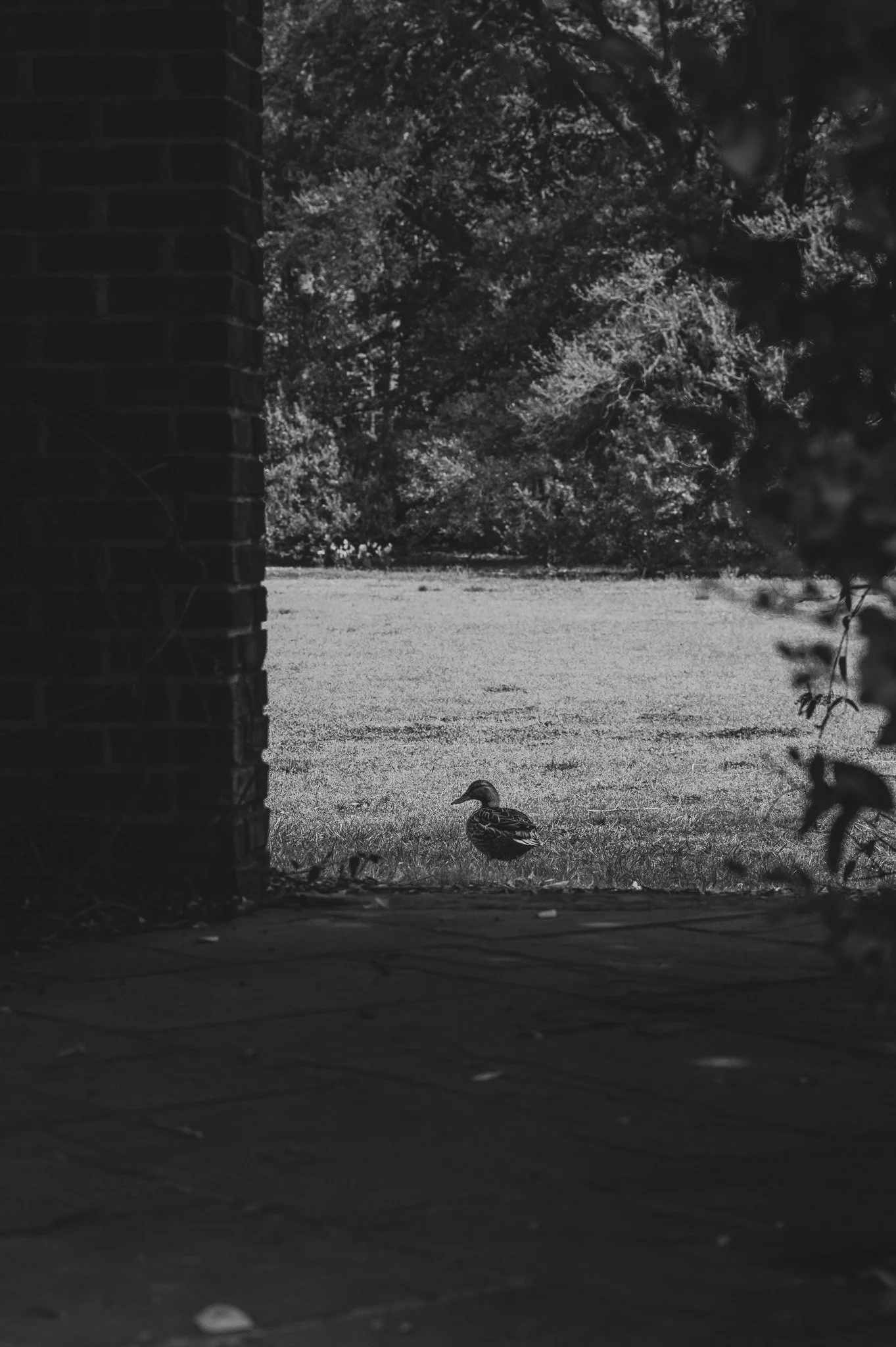
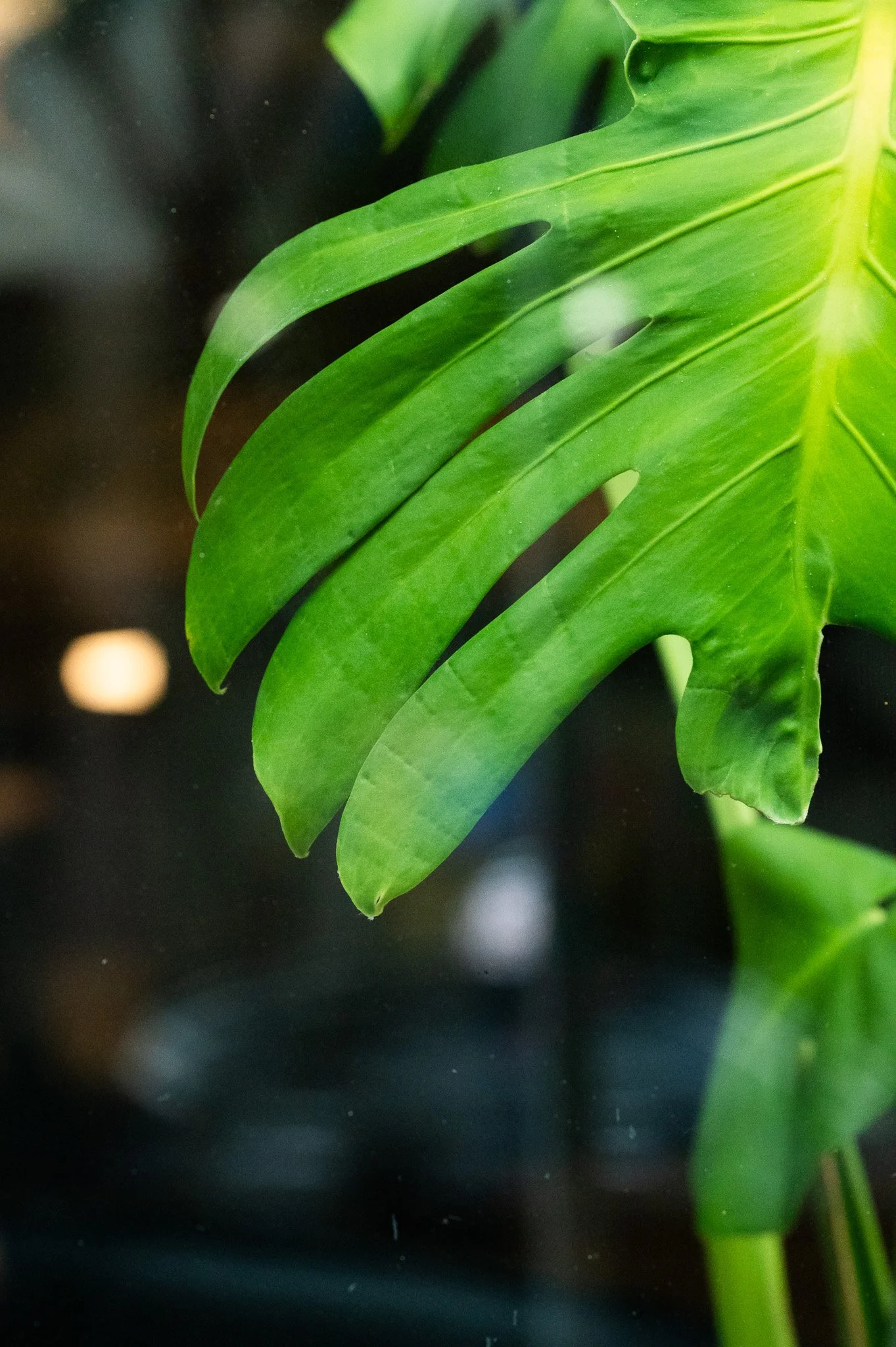
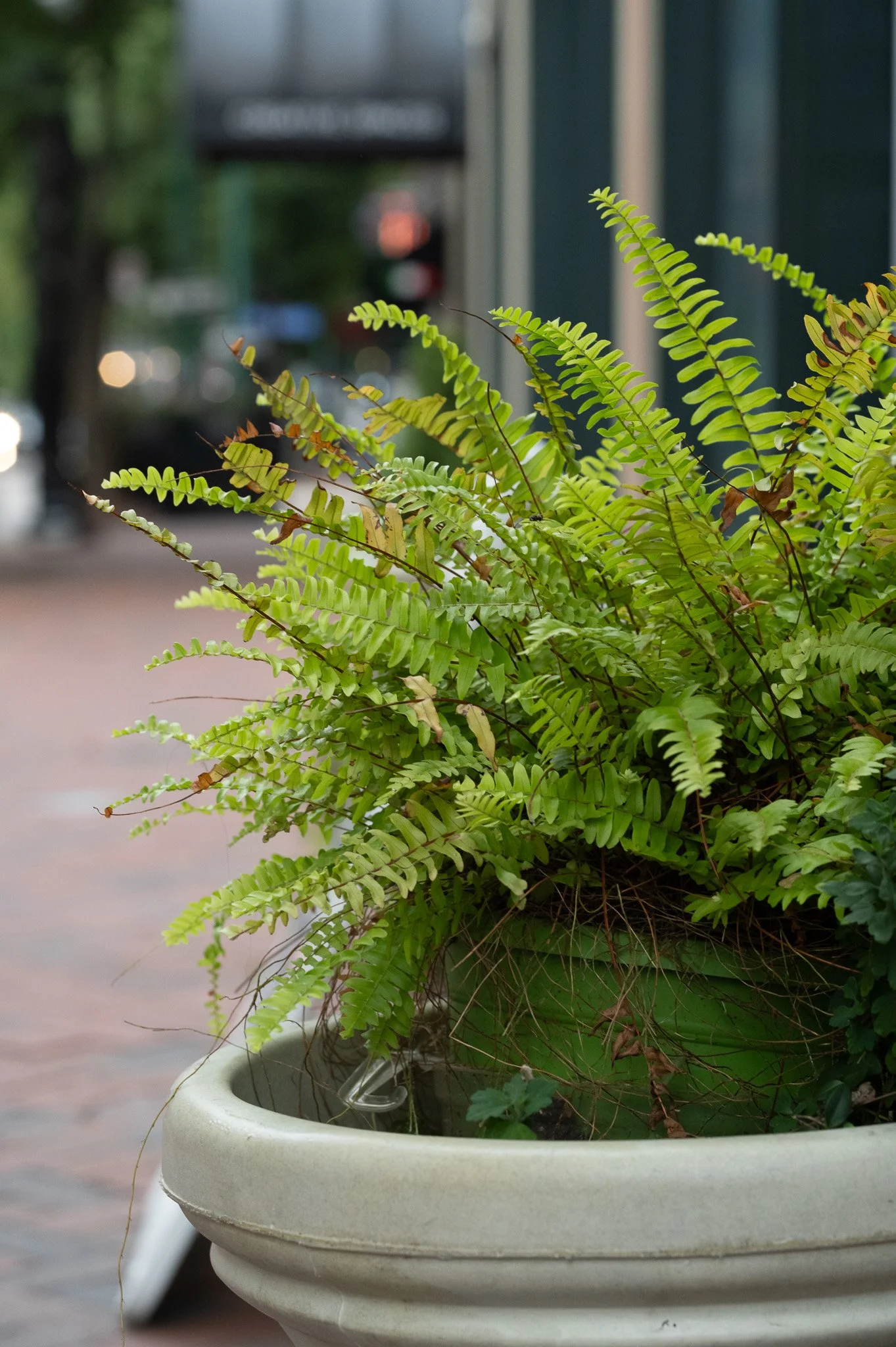
Taken with a Leica SL3
Welcome! This month’s post is a follow-up to last month’s post on macro lens options in the L-mount alliance. The obvious choice for me is to talk about the Panasonic Lumix 100mm or the Sigma 105mm options; instead, I want to talk about a hidden gem of a lens, one that isn’t even an L-mount lens, the Leica 100mm APO-Macro-Elmarit-R.
This lens was in production from the late 80s to the late 2000s and was made for the Leica R cameras. To this day, I would argue it holds its own against modern offerings from Sigma and Panasonic.
So, why consider an older manual-focus lens? For me, it comes down to the character of the image you get from this lens. Modern glass is often clinically perfect, but there is a certain (yes, I'm about to use that overused word …) “soul” to how this APO-Macro renders light and color that you just don't find in modern lineups. In this post, I’ll share my experience with this legacy lens and explain why its performance on a modern sensor convinced me it belongs in my kit.
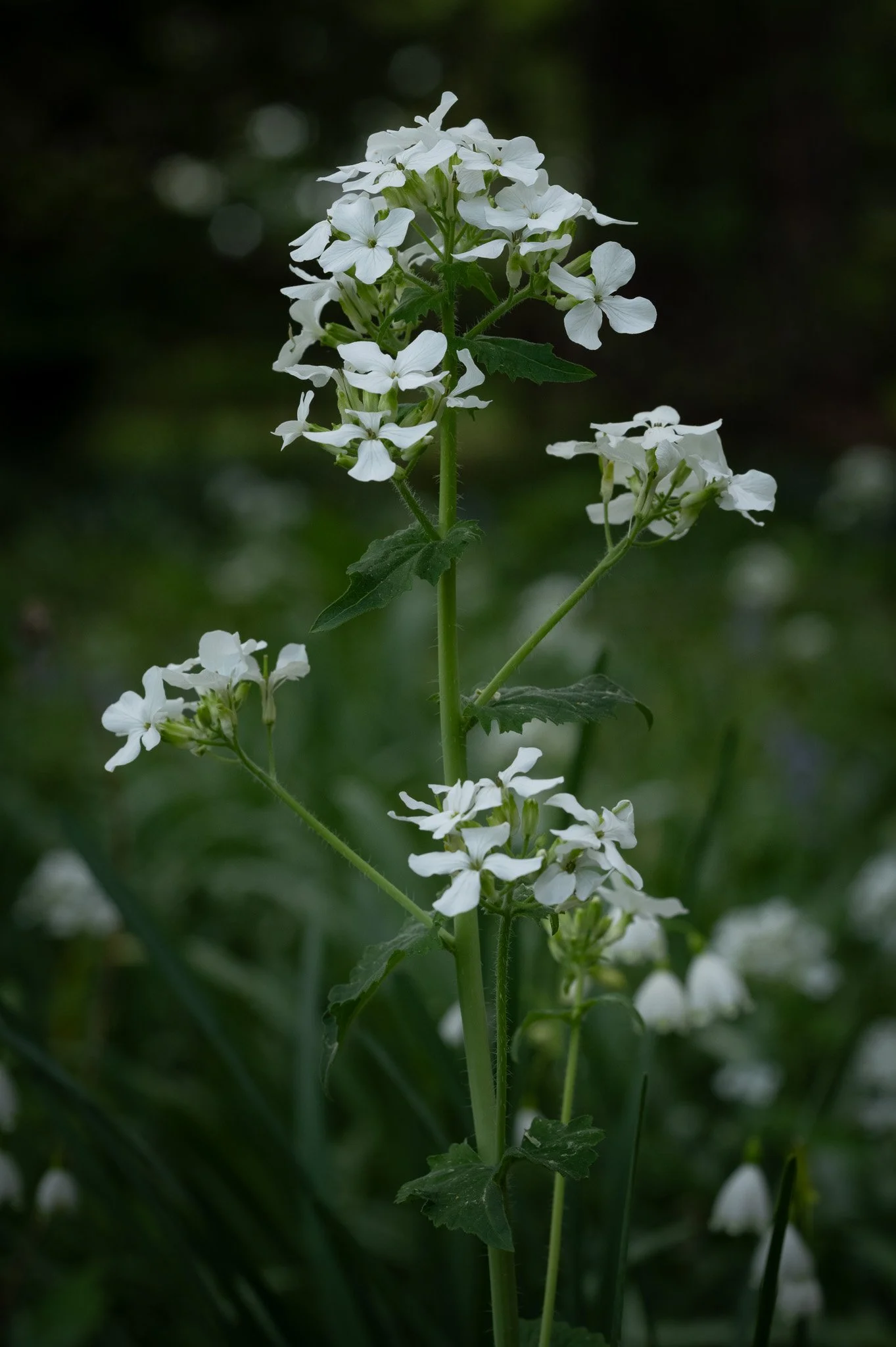
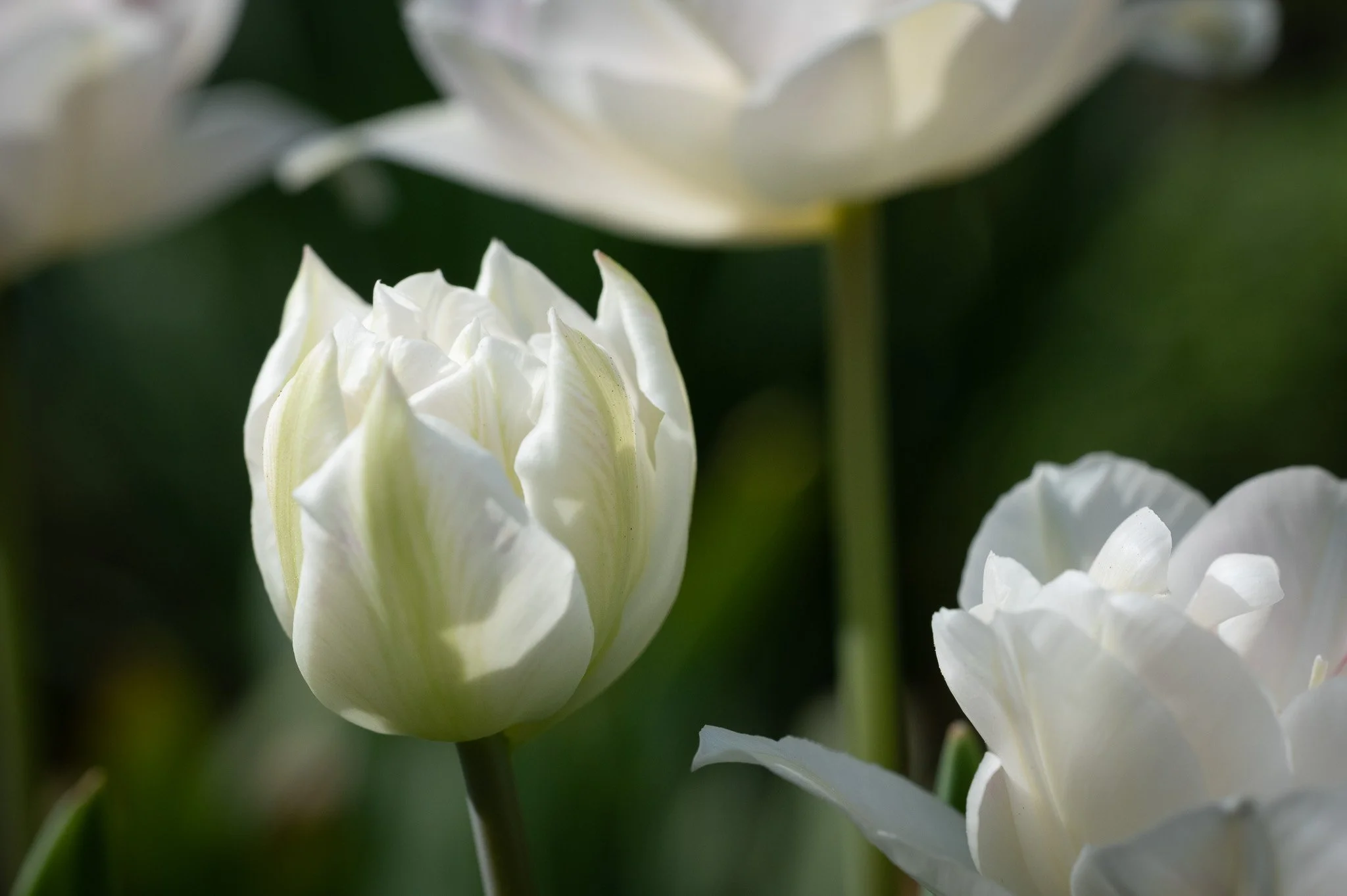
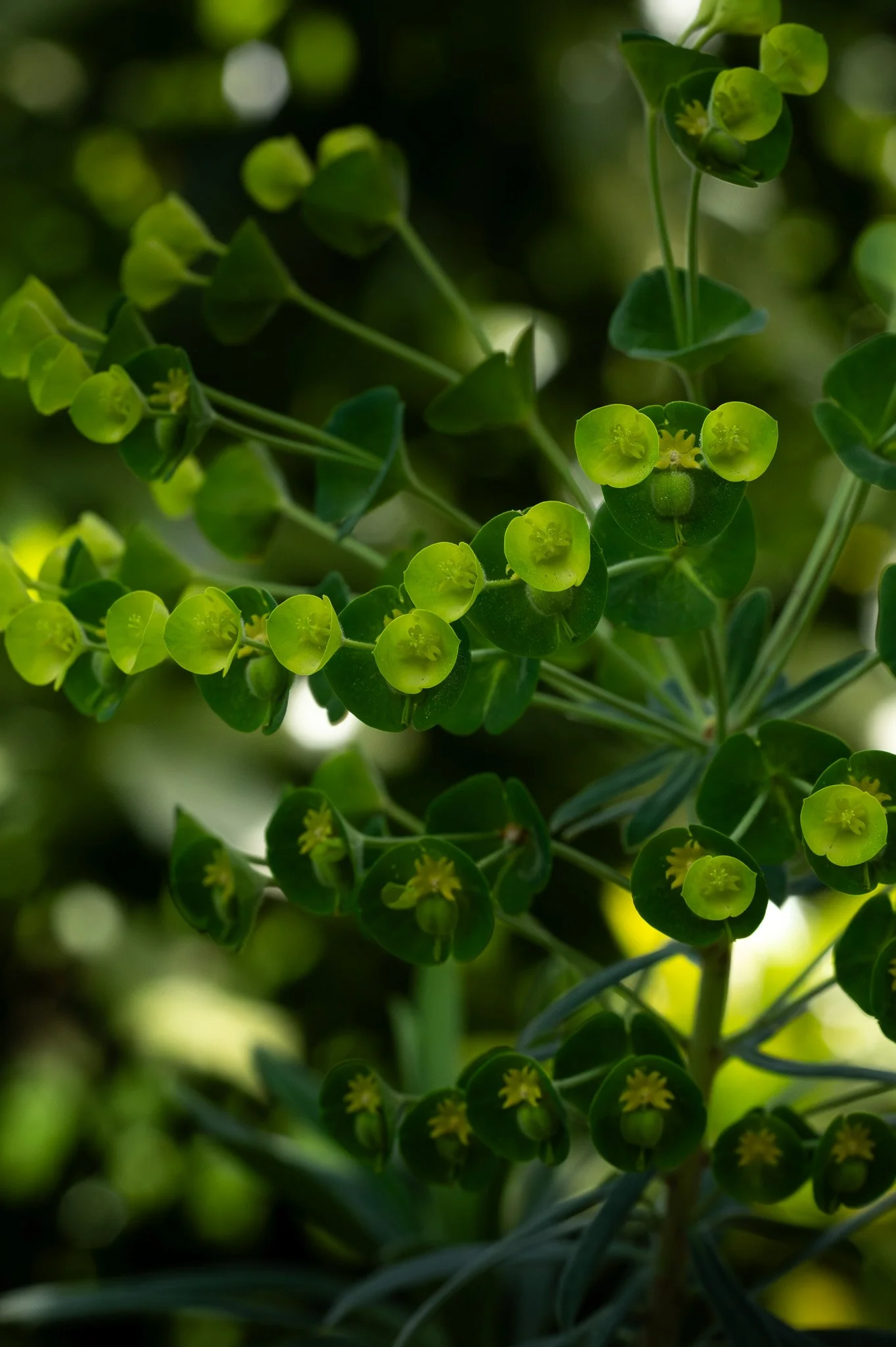
Taken with a Sony A7r II
The Search for the “do-it-all” lens
I’ll be the first to admit I don’t need a specialized macro lens year-round. I’m a hobbyist, and my interest in close-up work usually follows the seasons—specifically in the spring, when flowers bloom and bugs come out. I also don’t often use the 75 mm–90 mm focal length; when I do, it's on the SL3 with the Leica 24–90 mm. Because of that, I didn’t want to spend a lot on a lens that would sit on a shelf for much of the year. I was inspired by the 28mm Summilux lens on the Leica Q series, which offers a lot of flexibility. I wanted something in this focal range that could pull triple duty as a portrait, macro, and occasional street photography lens. The goal was to find a single lens that would work with both my M11 and SL3; this would let me slim down my kit and, hopefully, save some money.
I did look into the 90mm Macro-Elmar-M, but the math just didn't add up for me. Not only is the lens itself significantly more expensive, but to get true macro performance, you have to buy a specialized (and very pricey) adapter. By going with the Leica 100mm APO Macro Elmarit-R, I would be able to get the performance I wanted while using a much more affordable adapter.
I first heard about this lens on YouTube in a video by Justin Mott, who described it as an affordable Leica lens he kept on hand for those rare occasions when he might want a good portrait lens. Based on his positive comments about this lens, I decided to hunt for a copy on eBay.
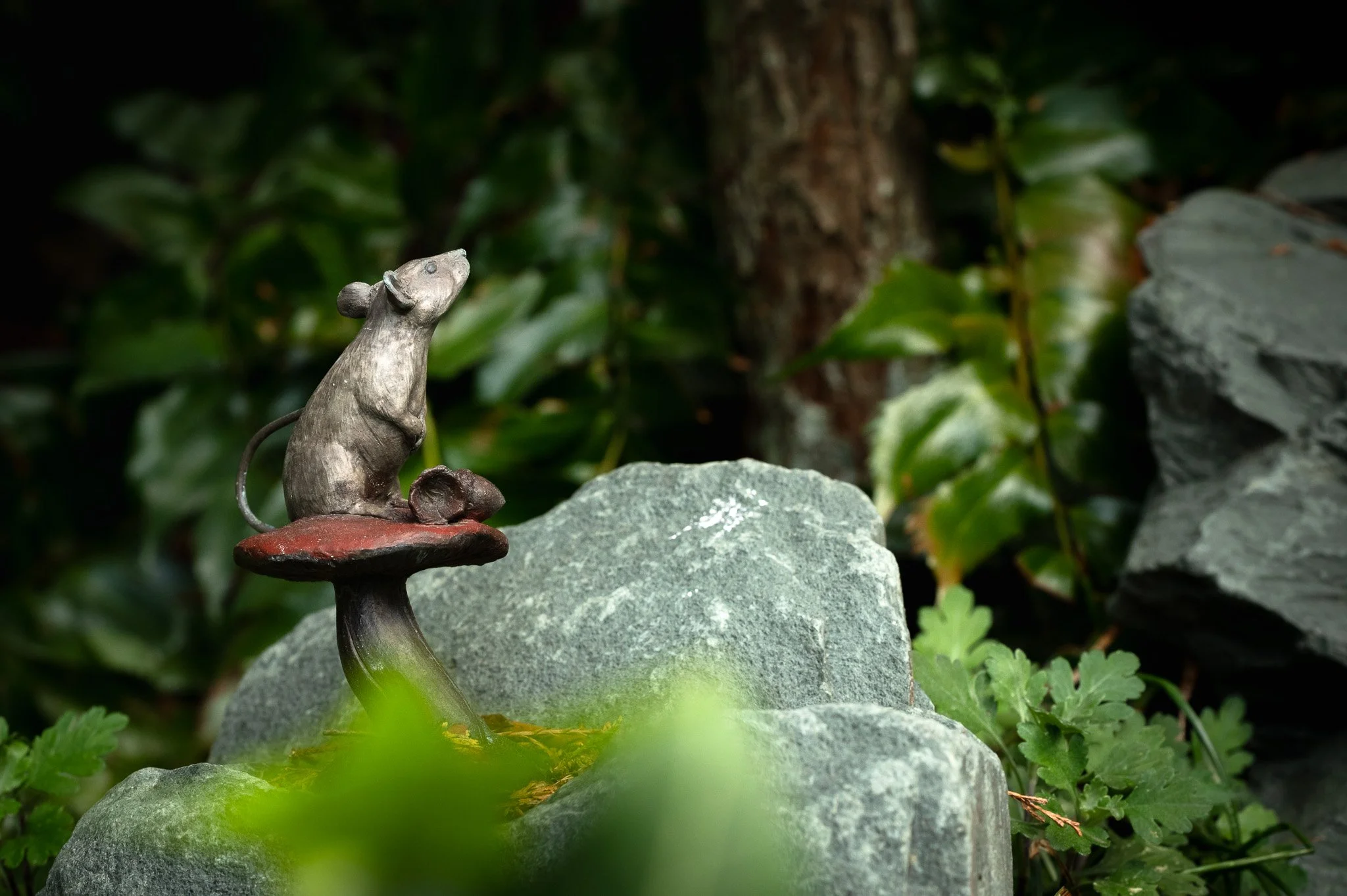
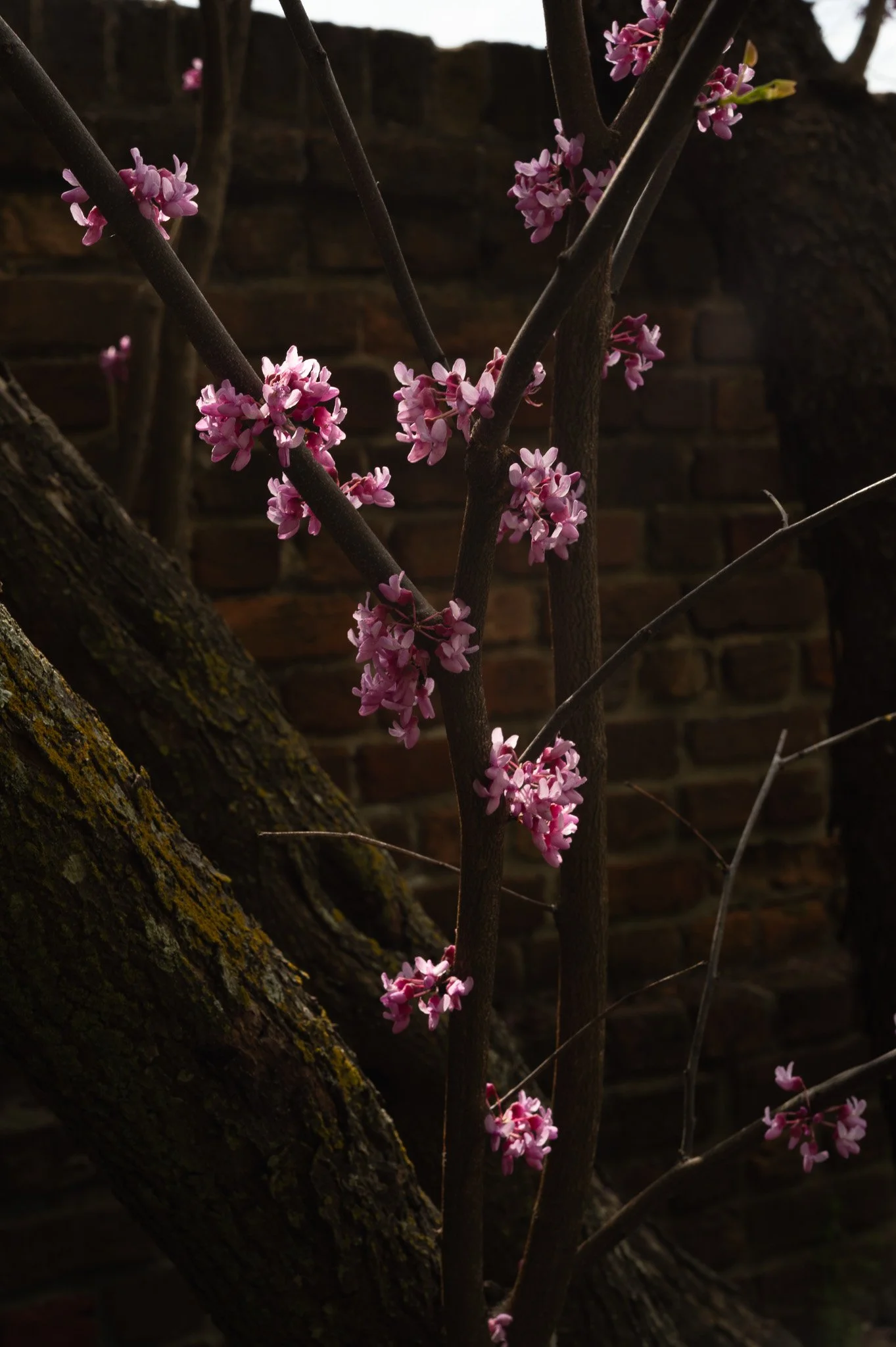
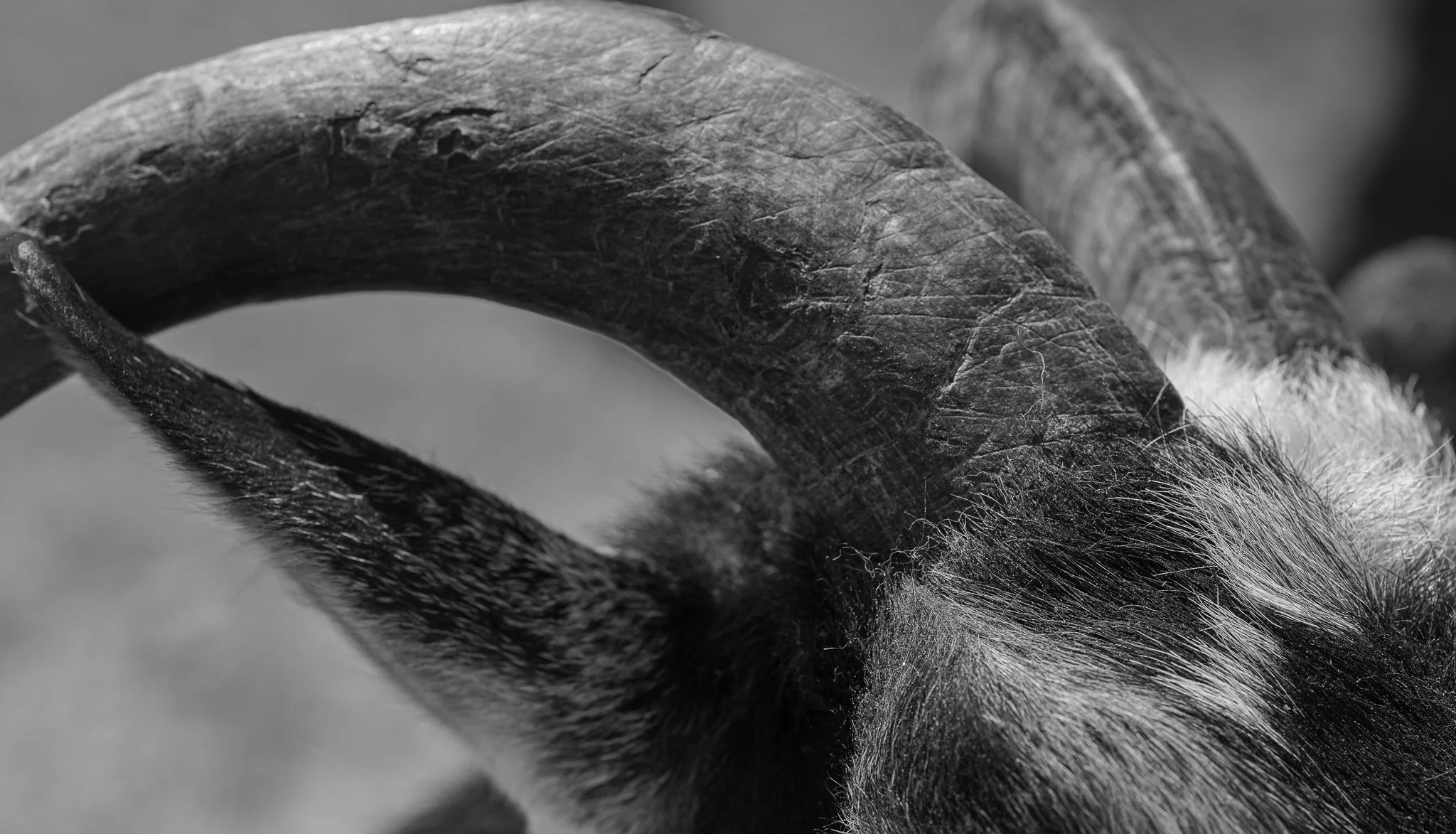
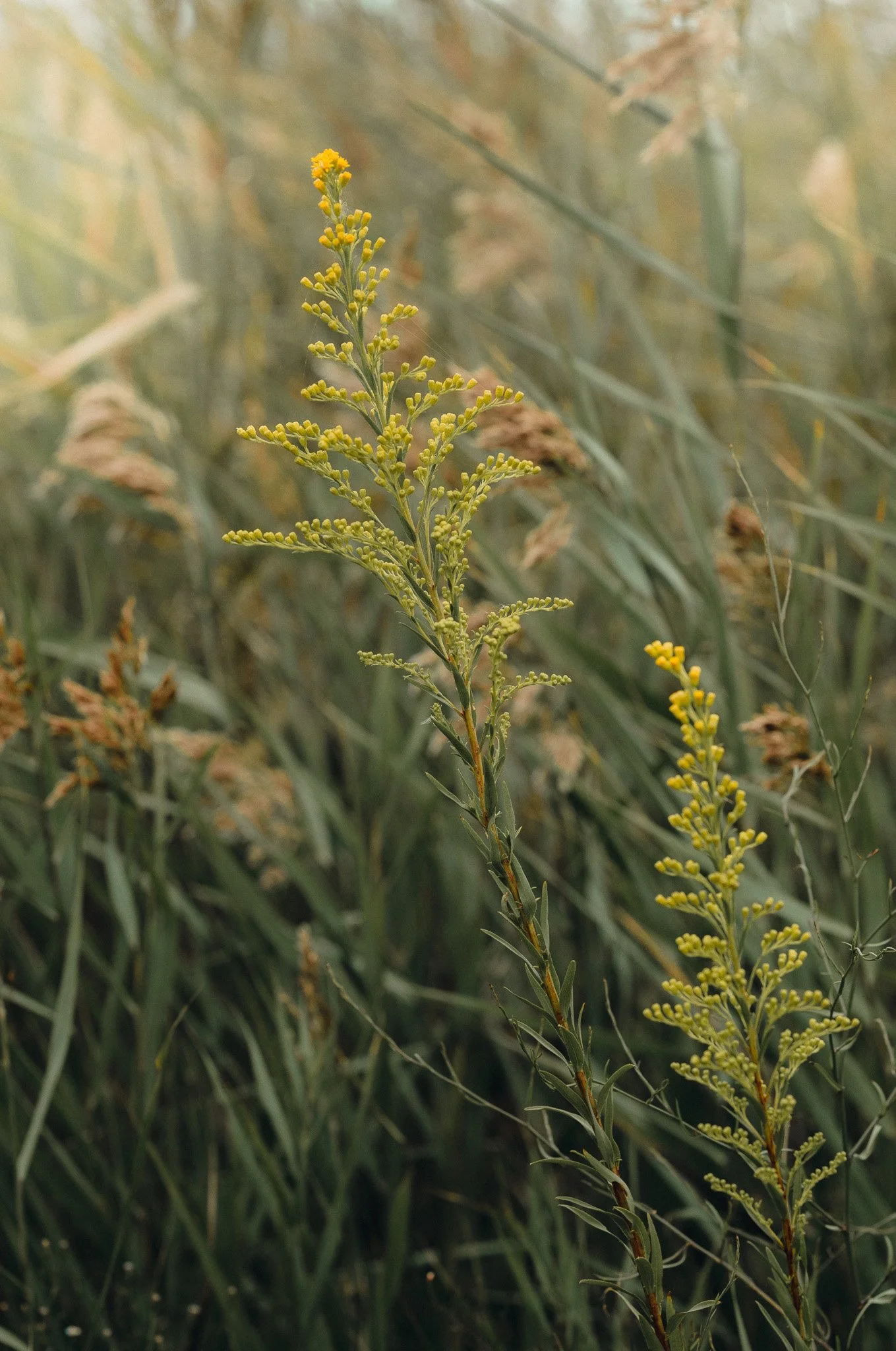
Taken with a Leica SL3
The 1:2 Experience: Precision Over Speed
On its own, this lens provides a 1:2 macro reproduction ratio (if you’re unfamiliar, see my last post for more information). To go from infinity to macro, you have to deal with a ridiculously long focus throw. At first, it feels like you’re turning it forever, but after a while it really isn’t that bad, and you get used to it. Unlike the Laowa 180mm macro I previously reviewed, the Leica’s focus ring is incredibly smooth and—more importantly—stays exactly where you put it. I don’t have to worry about the focus shifting unintentionally mid-shot, and that extra-long throw feels more precise when focusing. When it comes to shooting macro, this makes a big difference. However, at lower apertures, the focus plane is razor-thin; it was a problem at first, but over time I seem to be getting better at it. I often remind myself to make life easier and stop the lens down; when it comes to macro, you usually want that extra depth of field anyway.
The lens feels good in the hands; with an all-metal body, it fits just right on a Leica SL, and on an M it’s not too large and remains manageable. The one complaint is the weight: weighing in at around 750g, it’s not the heaviest lens, but it’s not a light lens either. On either camera body, it is very manageable, but I would warn you about your bag. If you plan to carry multiple lenses, your bag will feel a bit heavier with this in it. When I go out to shoot, I usually give a bit of extra thought to which lenses to bring so I don't feel weighed down.

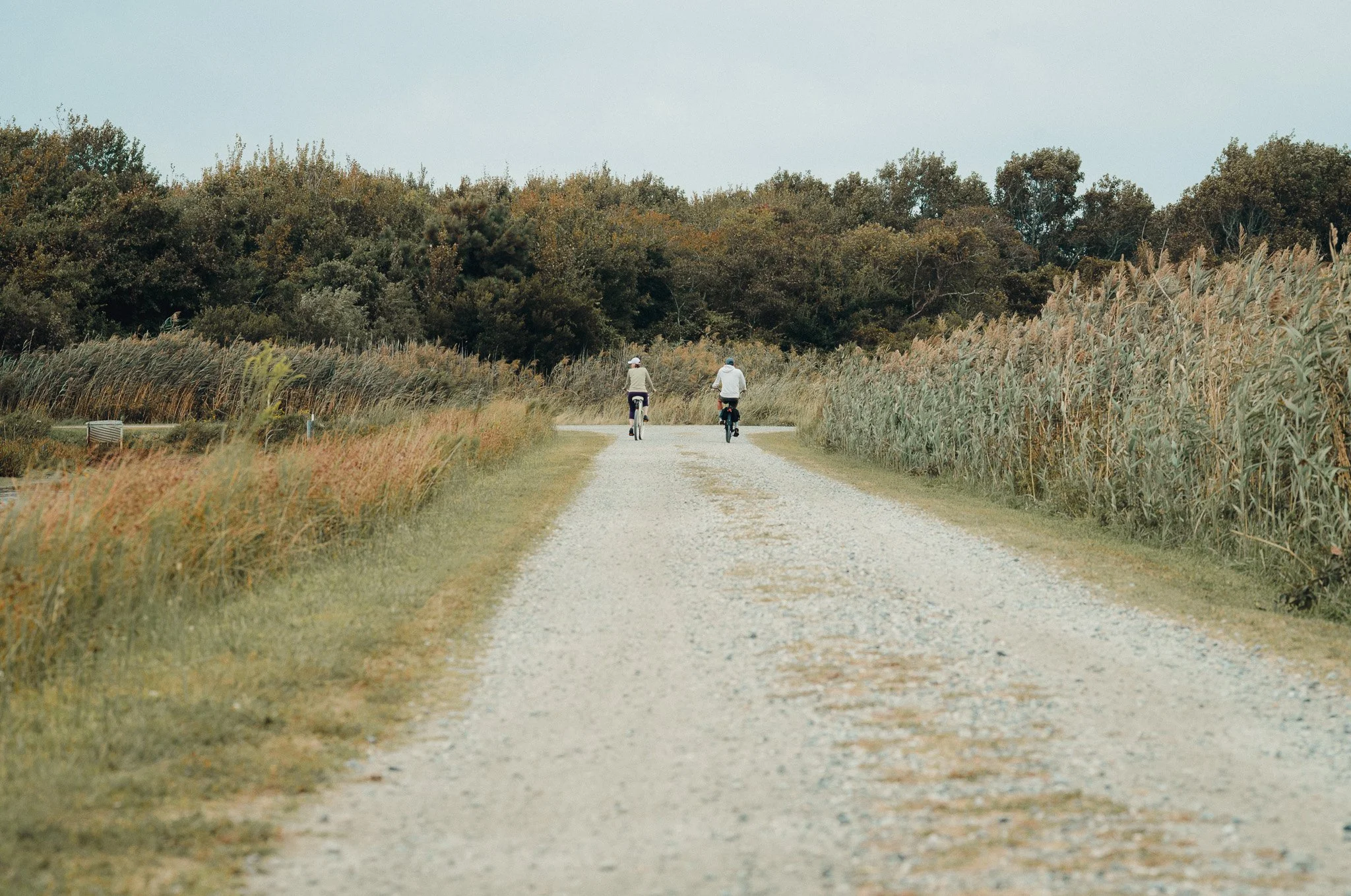
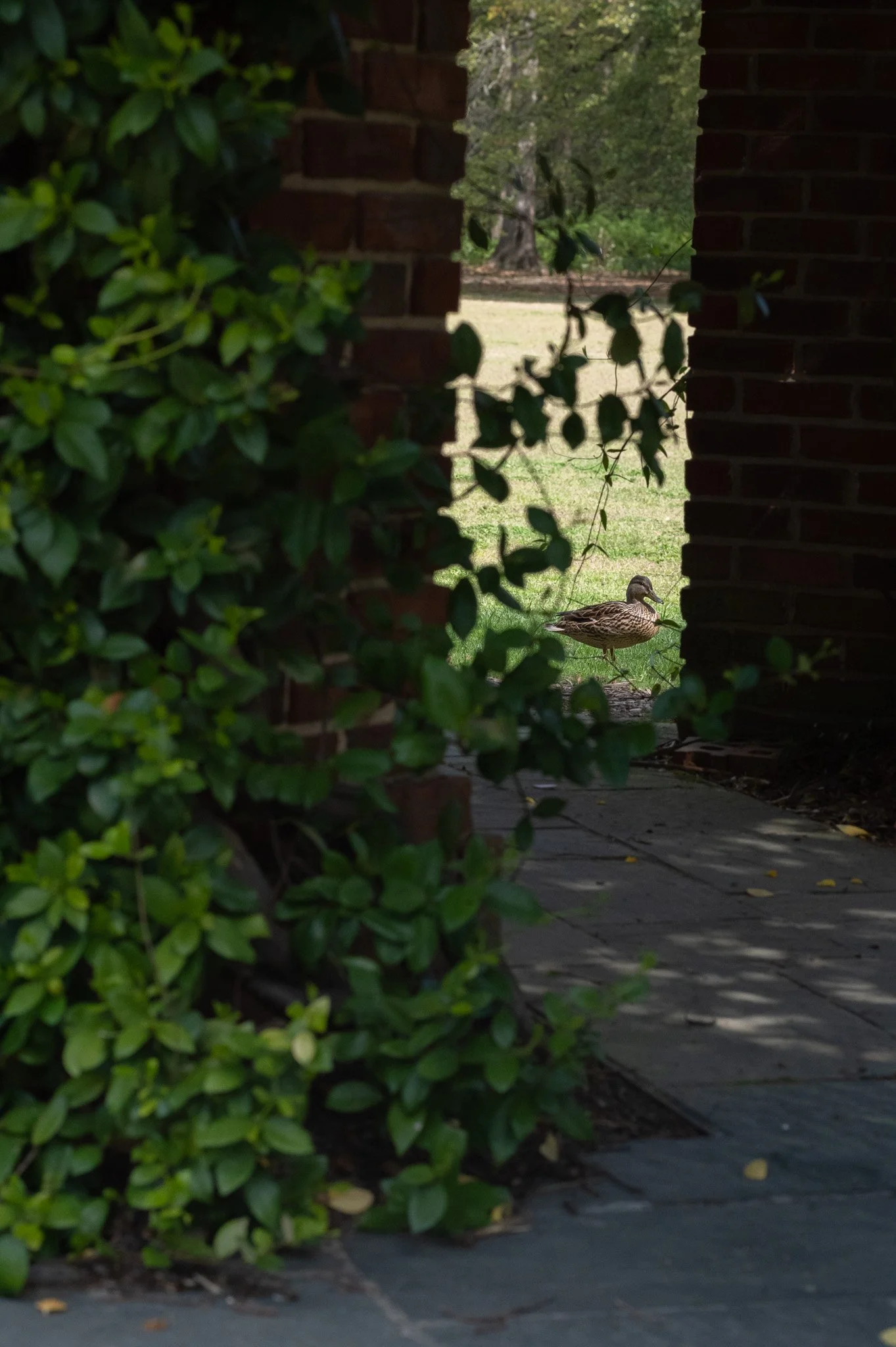
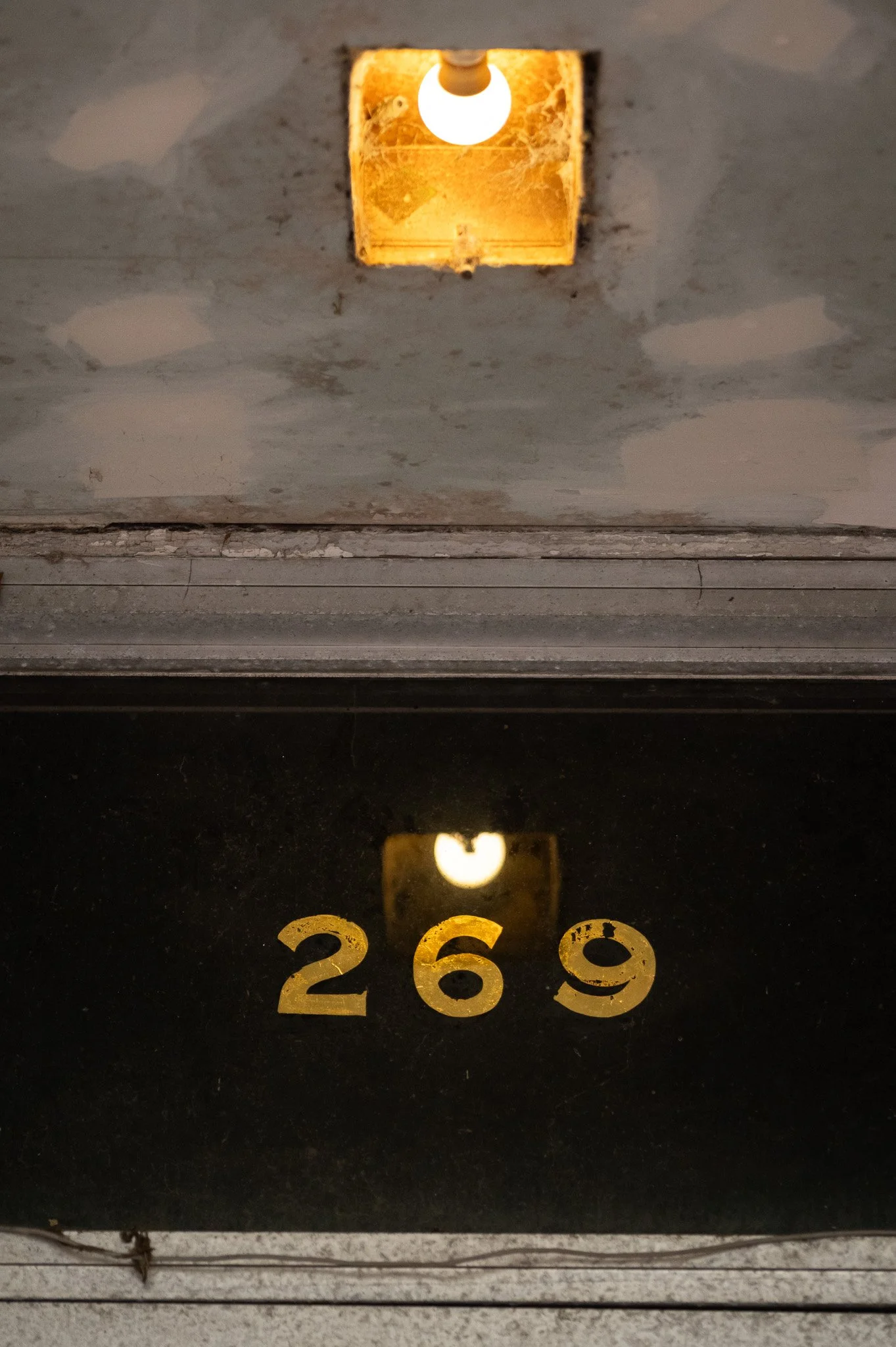
Taken with a Leica SL3
Going 1:1: The Elpro Attachment
To achieve a true 1:1 macro reproduction, like the Sigma or Lumix lenses, you will need the dedicated Leica Elpro 1:2–1:1 attachment. Be warned, these adapters are becoming quite rare and can be expensive on the used market. I don’t think you need to rush to buy one; take your time, learn the lens, and wait for a deal.
In terms of handling, the Elpro feels seamless. The lens is already a heavy piece of glass, but thankfully, adding the attachment doesn’t noticeably change the weight or balance. Using the Elpro doesn’t seem to affect image quality or cause you to lose any stops of light like a teleconverter would. This gives me results that are a significant step up from what I get with the macro mode on my Q2 reporter. While the Q2 is convenient, it’s essentially a close-focus setup. With the 100mm and the Elpro, you get true 1:1 and a better working distance from your subject.
Image Quality: How This Older Lens Handles on Modern Cameras
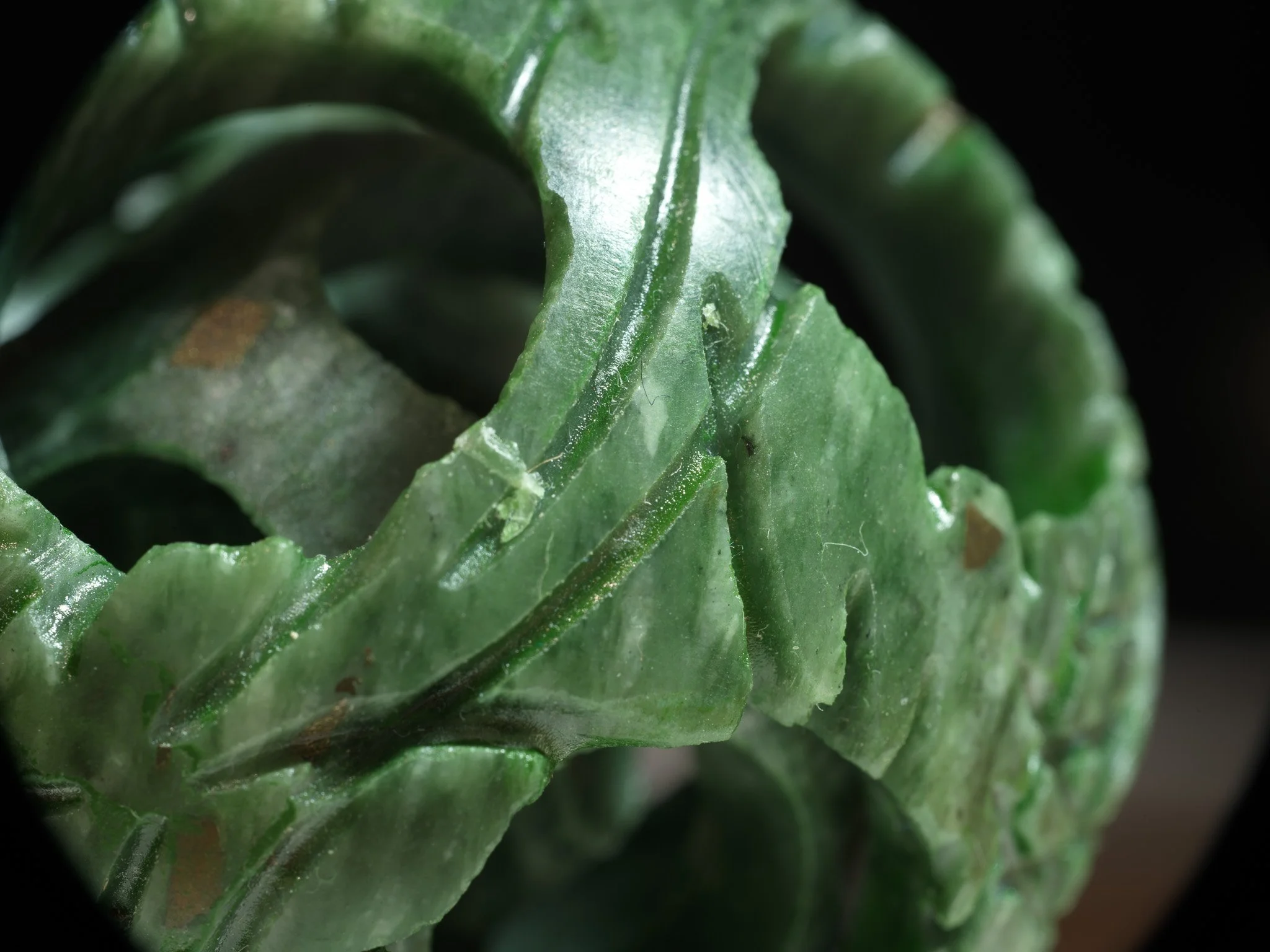
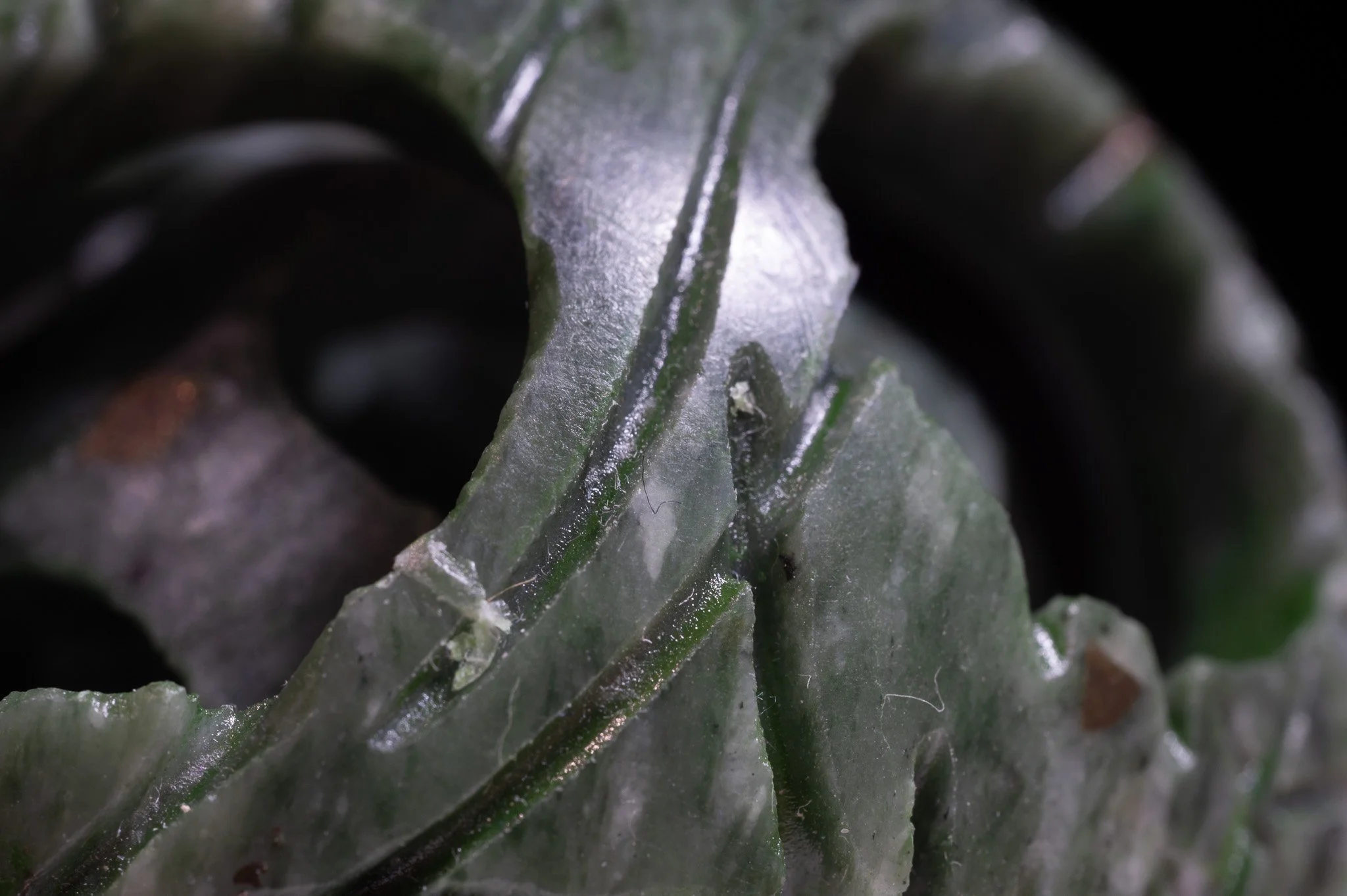
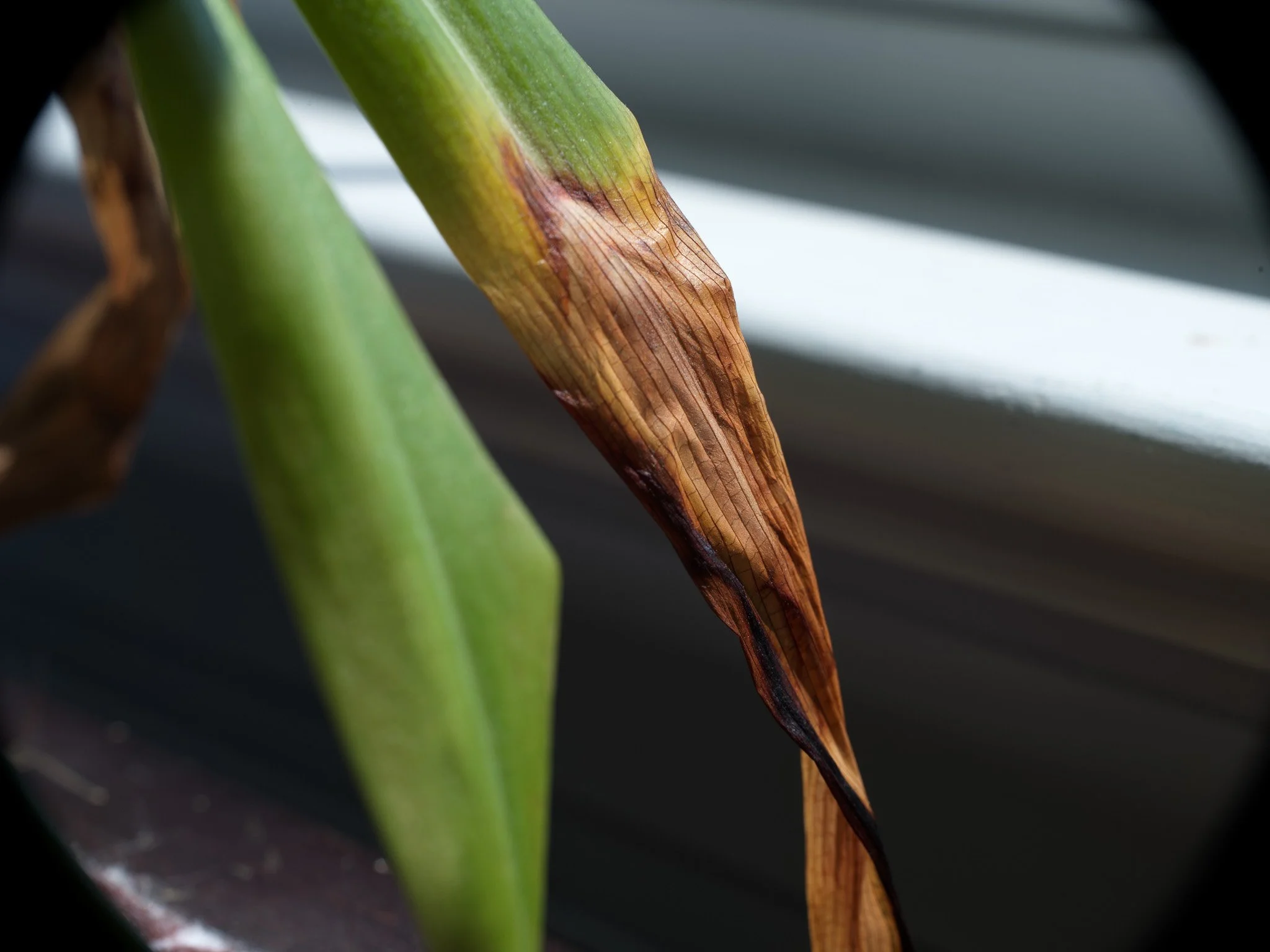
So how does this lens hold up on modern cameras? In my opinion, exceptionally well. I have tried this lens on a Leica SL2-S, SL3, M11, Canon 5D Mk II, Sony A7R II, and on both the Hasselblad 907x 50c and 100c, and on each of these cameras, it has produced beautifully rendered images.
The Sigma 105mm DG DN Macro Art and the Lumix 100mm Macro do a reasonable job of controlling chromatic aberration, so I won't pretend the APO designation alone is a game-changer in that regard. Where I do think it makes a difference is in how the colors come together — there's a cleanliness to the rendering, with tones that blend in a way that feels almost painterly while still holding sharpness from edge to edge. Whether that's the APO correction, something Leica does with their glass in general, or a bit of both, I honestly couldn't say — but the result speaks for itself.
The only downside I have, and this is specific to my copy, is that there might be some haze. When the sun hits at a particular angle, there is some loss of contrast. With the first copy of this lens I had, I did not experience this issue; thankfully, it is manageable for me.

Taken with an Leica SL3
If I had to rank the image quality of the Sigma 105mm DG DN Macro ART and the Panasonic Lumix 100mm Macro alongside this lens, I'll note upfront that these aren't controlled 1:1 comparisons at matched apertures — this is real-world shooting, and I think that's a more honest reflection of how these lenses perform in the field. That said, I'm confident in my ranking. If I had to describe what separates the Leica from the other two, it comes down to color and bokeh. The Leica renders colors that feel vibrant and natural, with a slight warmth and a three-dimensional quality that's difficult to put into words — that painterly sharpness again. The background blur is gradual and gentle; there's nothing nervous or harsh about it, and out-of-focus highlights stay clean and smooth. The Sigma is closer to the Leica than the Lumix — the Sigma colors sit somewhere between natural and flat, and the bokeh is generally well-behaved, though in some shots I noticed it looking a touch nervous. The Lumix, for me, sits in third. The colors trend toward neutral, to the point of feeling a little dull, and I found myself doing more work in Lightroom to make the images more vibrant than with the other two.
I only recently had a brief chance to use a Hasselblad 907x 100c, so my testing has been limited. Because the rear element doesn't cover the full sensor, the edges will be black and require some cropping, but at 100MP I can't say that is a big deal. The increased working distance took a little adjustment — you can't get quite as close to your subject as you can on the SL. The colors remain as beautiful as ever, and the combination of true macro and 100MP does give you some flexibility to crop in for extra detail, though you will see some quality loss if you push that too far. For me, the real appeal is that this lens holds its own on medium format at all — legacy macro on the 907x is not something many people can speak to, and the fact that it delivers is impressive in itself.
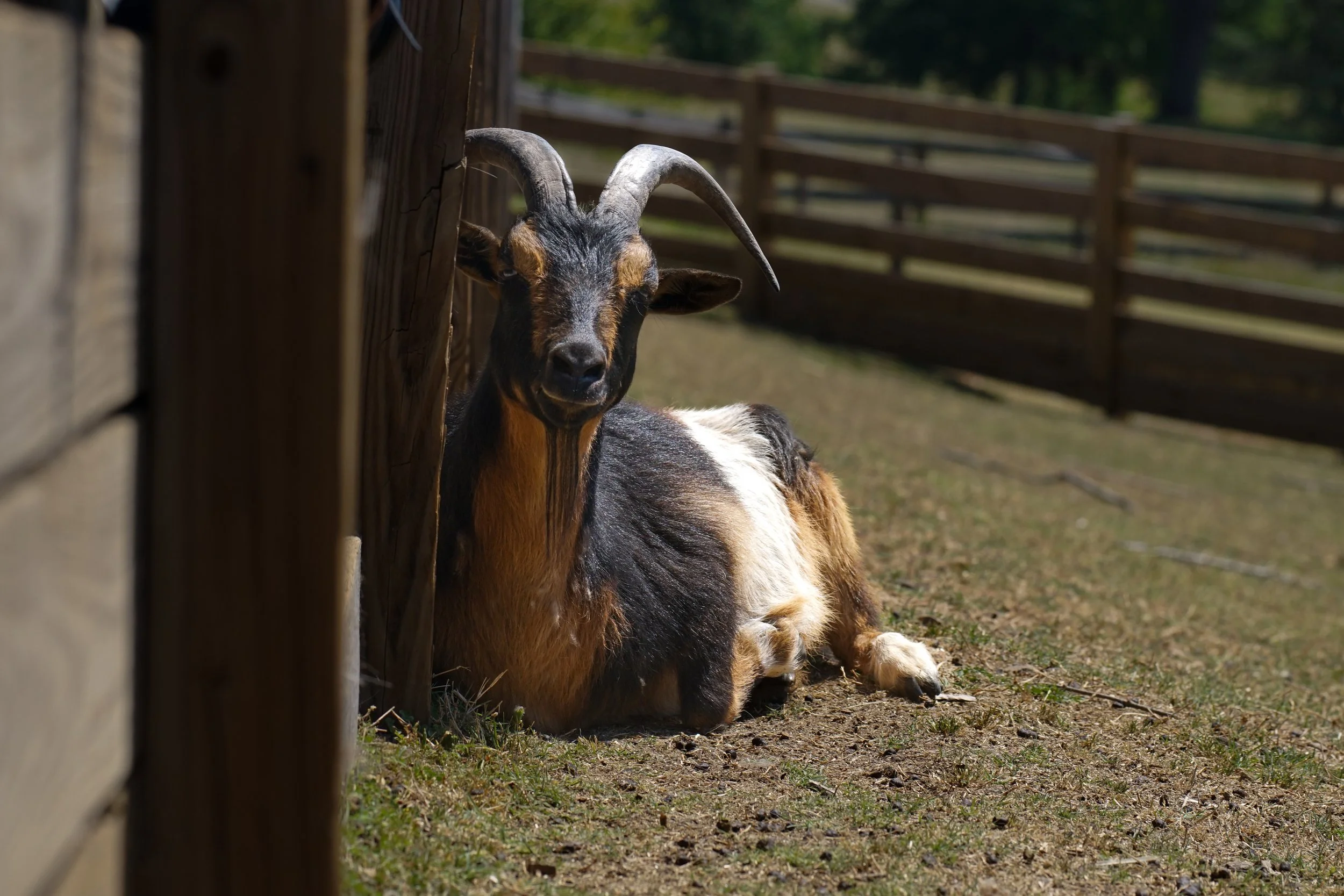
As for the Sony A7R II, there is not much to report — and I mean that as a compliment. The lens performed as consistently there as it did on every other body I tested it on, which says a lot about how well it adapts across systems.
Making it work: Adapting the R to an M, L, or anything else
To mount this lens to other cameras, you will need an adapter that connects the R-mount to your desired camera mount. Adapters can be cheap or expensive, but I don’t think you need to go for the expensive ones unless you plan to use this lens a lot. Just don’t go so cheap that your lens is wobbling when mounted!
I chose the M mount as my base mount for the lens because I already own a few other cameras that I adapt my M glass to; it made the most sense to me. I started with an Urth R-to-M adapter. In my experience, Urth makes good-quality adapters at a reasonable price. Since this is the base adapter, I want something solid. From here, I add the adapter that connects M to the camera.
A quick note for those adapting this lens for a Leica M: it is not rangefinder-coupled, so you will need to use the rear LCD or an external viewfinder to focus.
Leica M11 with the 100mm APO-Macro-Elmarit-R (Hood extended) and the SL3 with the 50mm APO Summicron-SL for comparison.
Time to buy: What to look for when shopping for a copy
This lens comes in two versions: 3-CAM and ROM. Essentially, it’s the same lens with the same R-mount. I’m not an expert on the differences, but I’ll share what I found in my research when buying this lens. I’ve read claims that the ROM version is the later model and that it has slightly better optics, but I can’t confirm this for certain. With the ROM version, you get electronic connections that can tell some camera bodies the lens information, but you will need adapters that support this to work; it’s not necessary and, in my opinion, not worth the extra cost. I’ve read a claim that the 3-CAM version may have issues with some mount adapters, but again, this is second-hand information, and I have not experienced any issues with the Urth R-to-M adapter.
Because this lens is discontinued, prices can vary; ROM versions are usually a bit more expensive because they are newer and have electronic contacts. I’ve owned two copies of this lens, starting with the ROM version, but I had to send it back. The seller stated that the lens had been CLA’d, and from what I could tell, it had been. Unfortunately, it was not reassembled correctly. Literally, while using the lens, it fell apart on me. The silver lining here was that I learned how to reassemble the lens, which brings me to my current copy…
While searching for another copy, I came across a heavily discounted version. The listing stated that the glass was in great shape but had debris in the lens. Given that this is a few decades old, it makes sense, so I bought the lens, opened it up, and attempted to clean it. The process took more patience than I have, but I managed to clean it out, and now it shoots wonderfully. So, yes, I recommend that if you have some patience, tools, and a bit of foolishness, look for a copy that needs a little love, and you could save some money.
Taken with a Sony A7RII
Conclusion
When it comes to macro options in the L-mount alliance, there are plenty of great choices. If autofocus and modern convenience are your priority, the Sigma 105mm remains an excellent first choice, and I wouldn't talk you out of it. But if you appreciate legacy glass, shoot across multiple systems, and want a single lens that can move seamlessly between portraits and macro without compromise, the Leica 100mm APO-Macro-Elmarit-R deserves serious consideration.
There is something about how this lens renders that I find genuinely hard to put into words — a certain magic in the colors and in the way the image comes together that modern glass, for all its technical perfection, doesn't always capture. The weight is real, and reaching 1:1 requires a little extra effort and patience. But for the right person, none of that feels like a sacrifice.
I bought this lens twice, cleaned one copy myself, and I'd do it again. That probably tells you everything you need to know.
Thanks for reading. Feel free to follow me on Instagram to see more images as I test out more gear!
I would like to avoid adding advertisements to my site. I dislike the experience of visiting a website and being bombarded with ads. To help support this, I ask that you consider using my affiliate links below when purchasing camera equipment; this will help me keep this site going.
I recommend buying used from either MPB or KEH, both of which offer great return policies.
Affiliate Links
I am not affiliated with Lensrental.com, but this is where I like to rent my equipment. If you're in the United States and considering renting cameras, lenses, or other equipment, please use the code below and give them a try. It will provide me with a small discount on future rentals, which will lead to more reviews!
https://share.lensrentals.com/x/8BG6mh
Sample Gallery