Lens Review: Panasonic Lumix 40m f/2
Welcome. In this month's post, I want to talk about Panasonic's newest L-mount lens, the Lumix 40mm f/2. I will discuss my experience shooting with this lens on a Leica SL3, covering what I like and dislike, as well as who I think it is for.
My reason for buying this lens was to see if I could make the Leica SL3 a bit lighter for those days when I don’t want to be weighed down by some of the larger Leica L-mount lenses, like the 50mm APO Summicron-SL or my 24-90mm Vario Elmarit, while still retaining autofocus capabilities. I’m not going to say that I was trying to turn my SL3 into a Q3 43 with a fat grip, but I’m sure there are some out there who might want that comparison, so I will try to address that too.
Traditionally, I have a love-hate relationship with Lumix lenses; optically, they have some really great lenses, but in the end it’s the build quality and the plastic-like feel that I sometimes find hard to get past. So, will this lens be any different?
About the Lens: General thoughts on it.
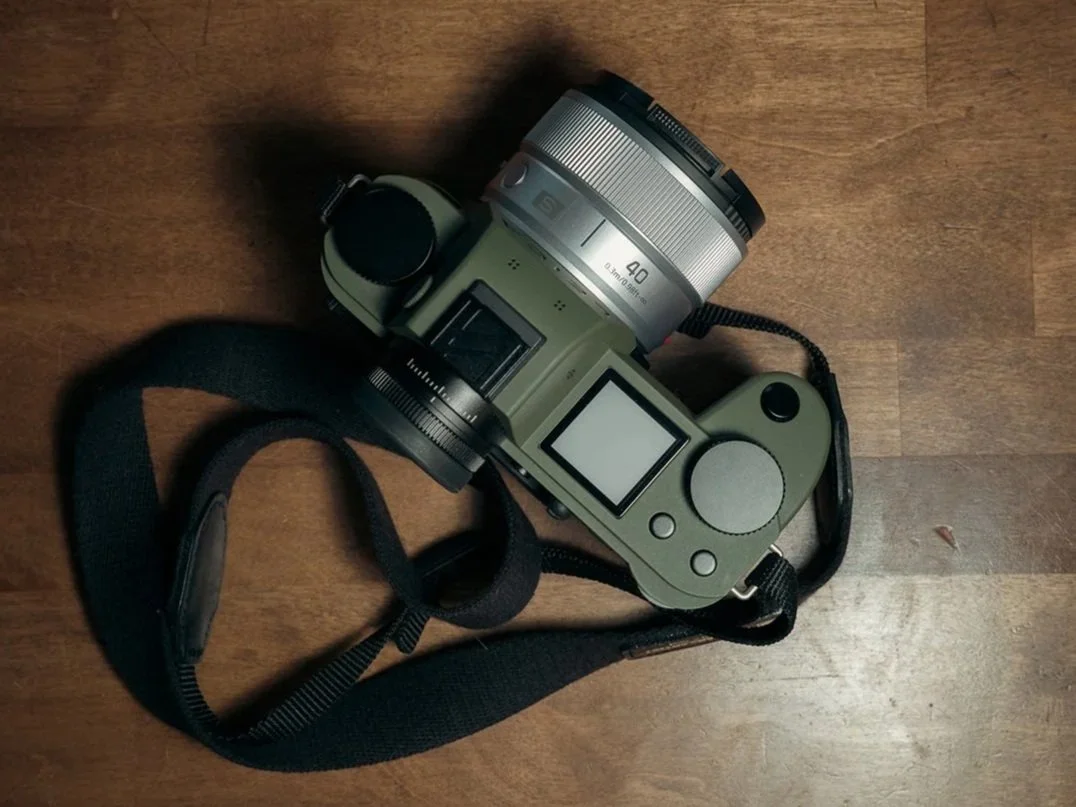
The Lumix 40mm f2 lens seems designed to be at home on the Lumix S9 camera, making an already compact full-frame camera even smaller. This seems to be Panasonic's second attempt at a pancake lens, though not as small as the first. With the release of the S9, we got the Lumix 26mm f8. This lens is very small but not great in low-light situations, and its fixed aperture limits its creative potential. Enter the 40mm f2; this focal length might feel a bit more natural for those who prefer to shoot between 35mm and 50mm. This lens allows you to isolate your subjects more and provides greater flexibility in low-light situations.
My first gripe about the lens is the 62mm filter thread size; I really wish they had gone with the more common 67mm size, so I wouldn't need a step-down ring, though that's not a deal-breaker.
On the SL3, this lens fits well and doesn't throw off the camera's physical or visual balance. It successfully reduces the SL3’s weight to a very manageable level for longer walks or hikes. It’s small, but not so small that the lens looks silly on this camera. When mounted, it protrudes slightly beyond the grip.
Autofocus: Initial impression and a sign of promise
I generally view Lumix lenses as having snappy autofocus and very little focus breathing; this lens thankfully lives up to my expectations. While I haven’t tried it much on anything incredibly fast, like sports or wildlife, my initial impression is that it will be as reliable as the camera allows.
During a trip to the beach with the family, I came across a fire performer riding an electric Onewheel; this proved to be a good test of this lens’s focus on a moving subject. The tracking on the SL3 stayed on him, and the lens kept up nicely. Each time the lens adjusted, it stayed in focus and did not move in and out of focus. I captured him performing his act in short bursts rather than my usual single-shot preference, resulting in many sharp, in-focus shots. Poor framing or closed eyes were more of a concern than the focus.
When the time comes when you might not want to rely on autofocus, I will say the focus ring feels decent enough; it is smooth, with neither too much nor too little resistance. While mounted on the SL3, you don’t even need to use the AF/MF switch; just half-press the shutter button and use manual focus.
Image quality: A mixed bag
When it comes to image quality, I am still undecided about this lens. If I had to summarize it, I would say it’s not a pixel-peeper's lens. If you are looking for faults, you will find them with this lens. On the Leica SL3 with its 60MP sensor, the images look nice and sharp, but when you zoom in, you will realize it doesn’t render details as well as some other lenses. If you can refrain from doing so, you will find it still renders a nice image.
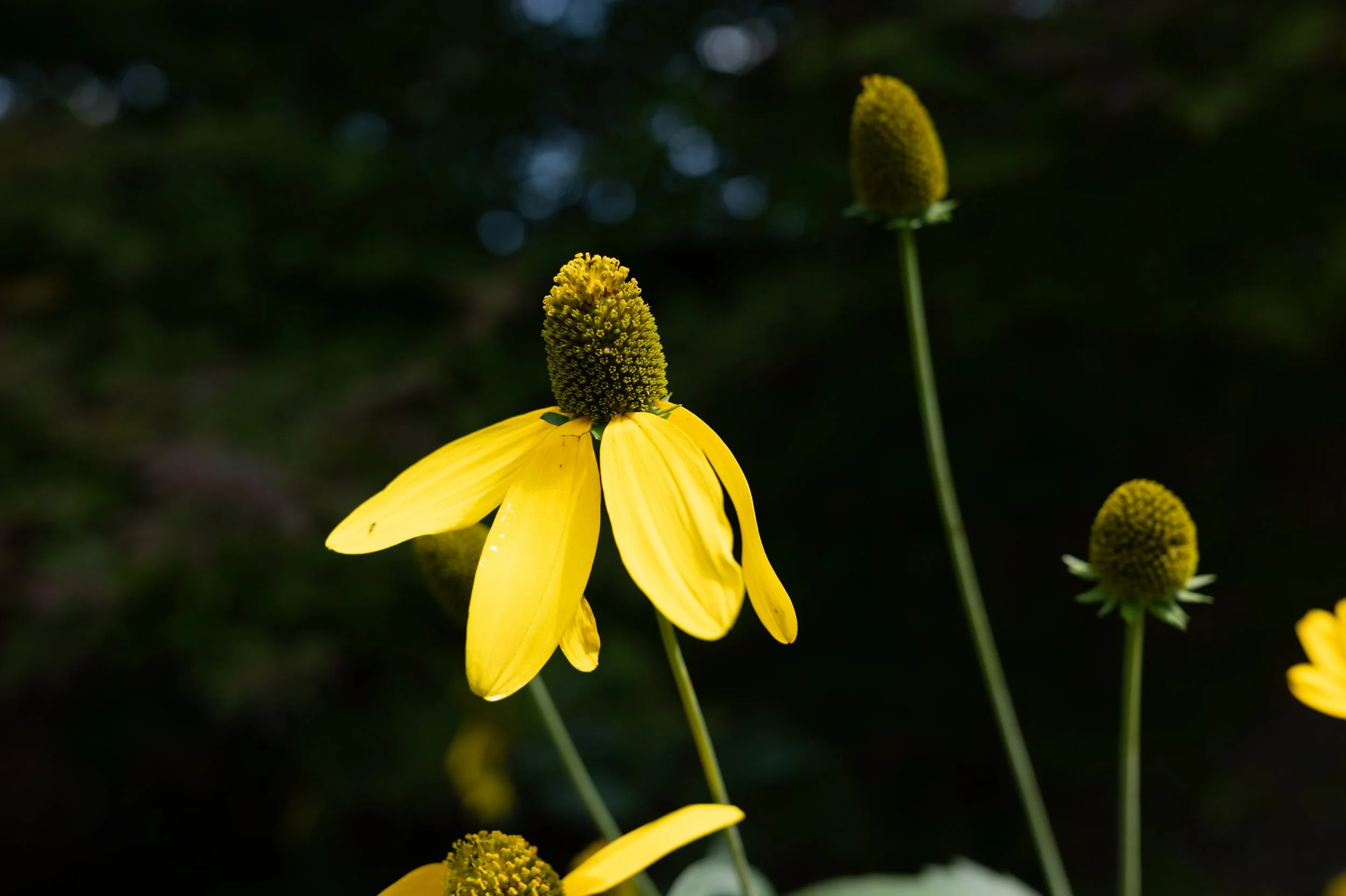
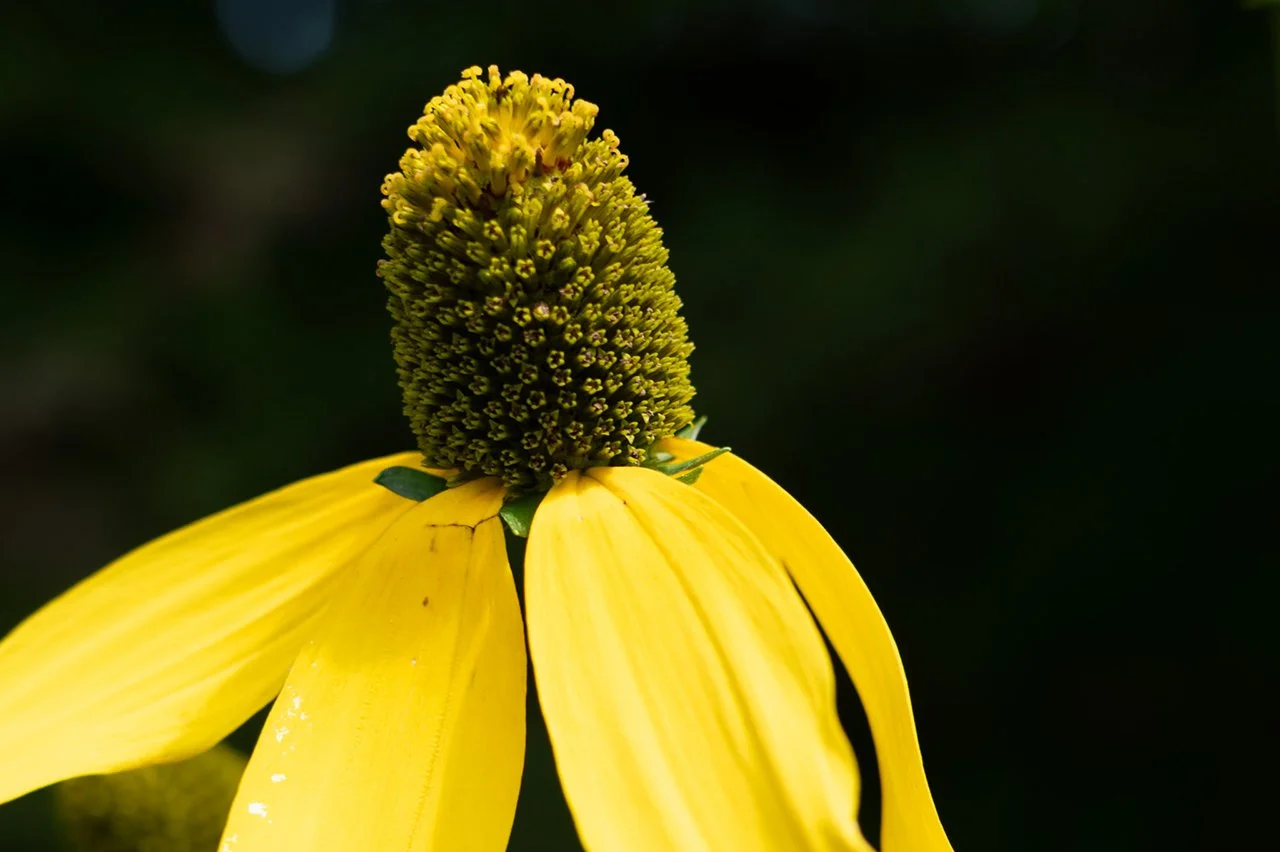

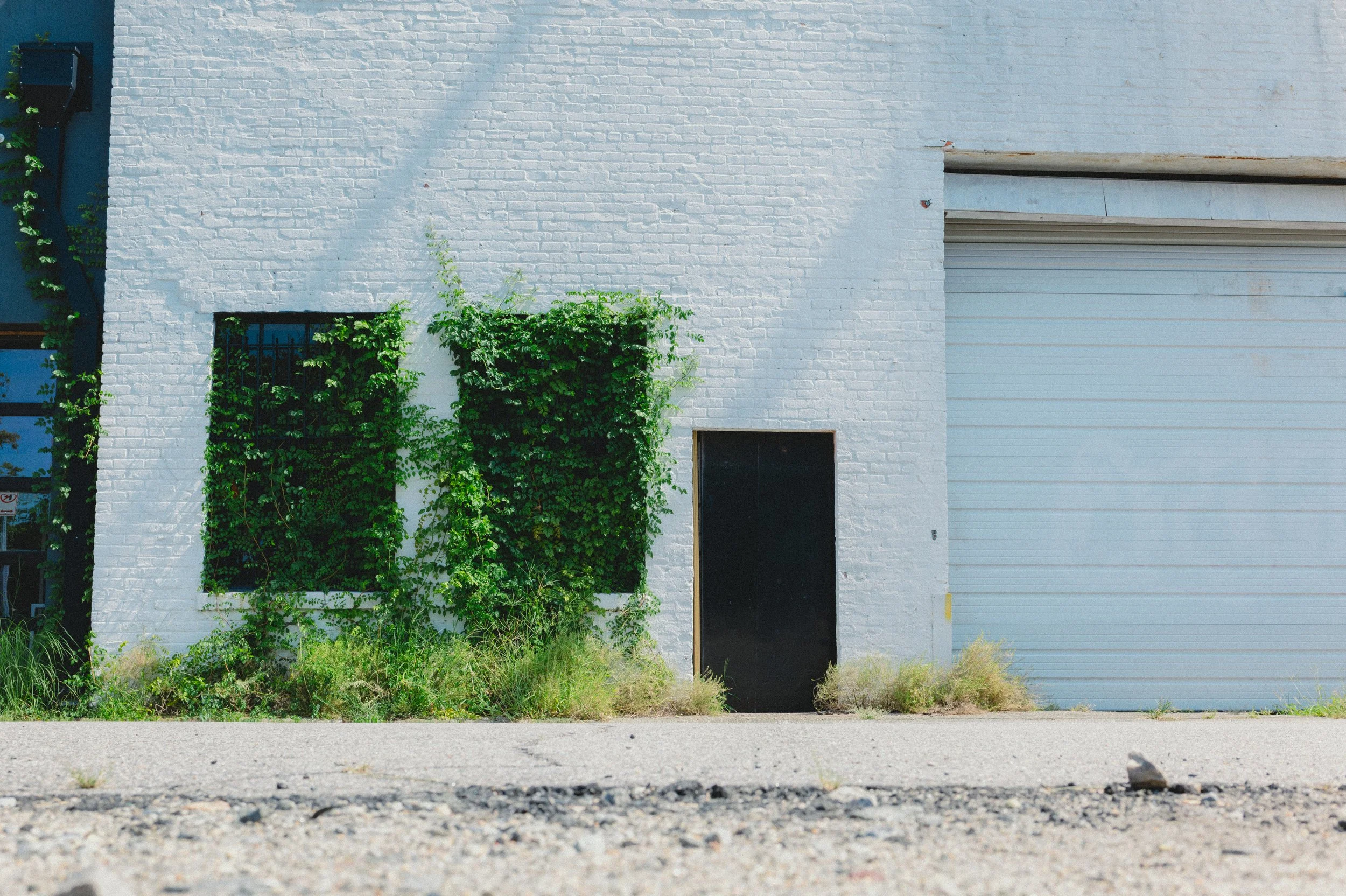
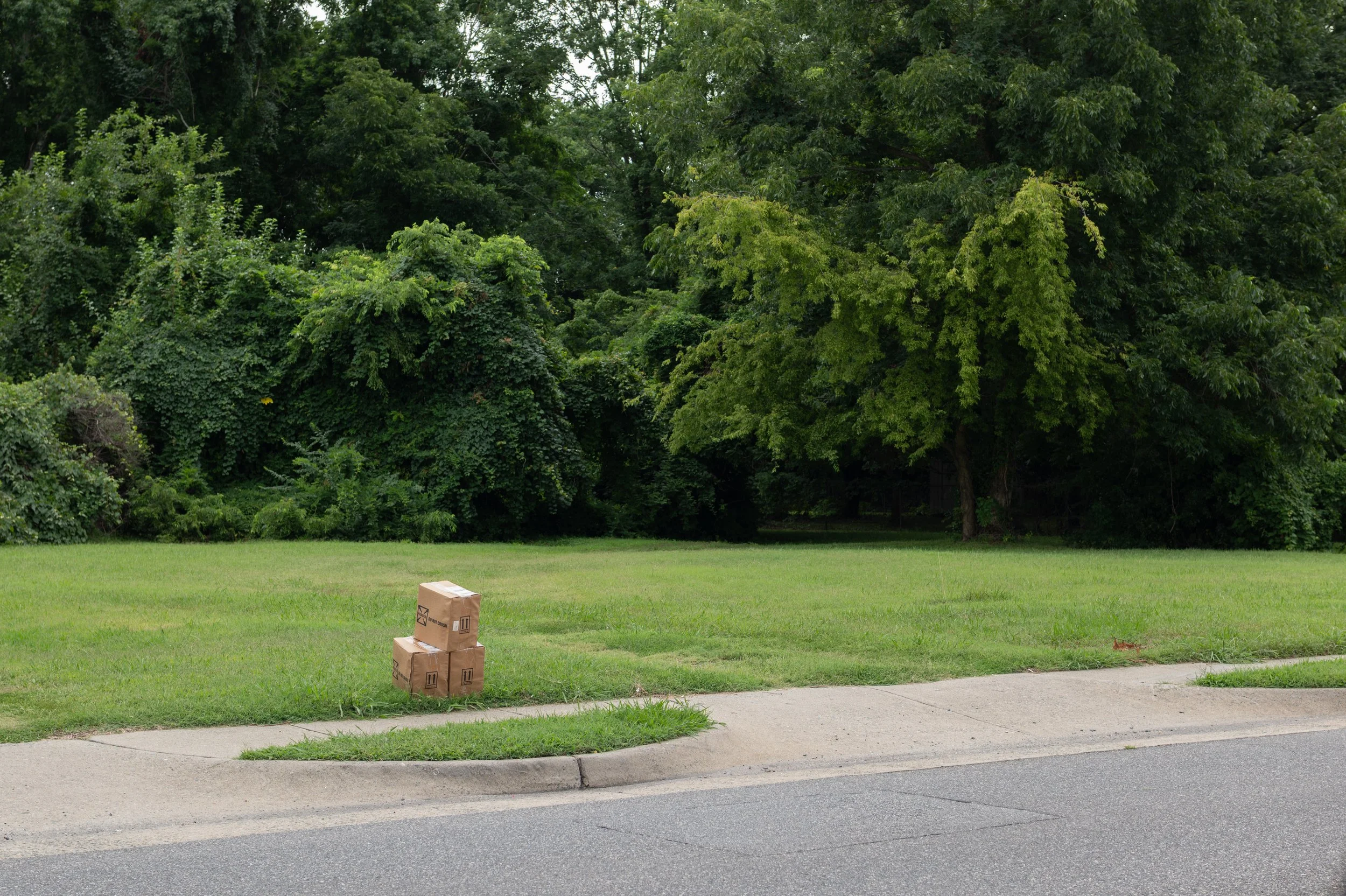
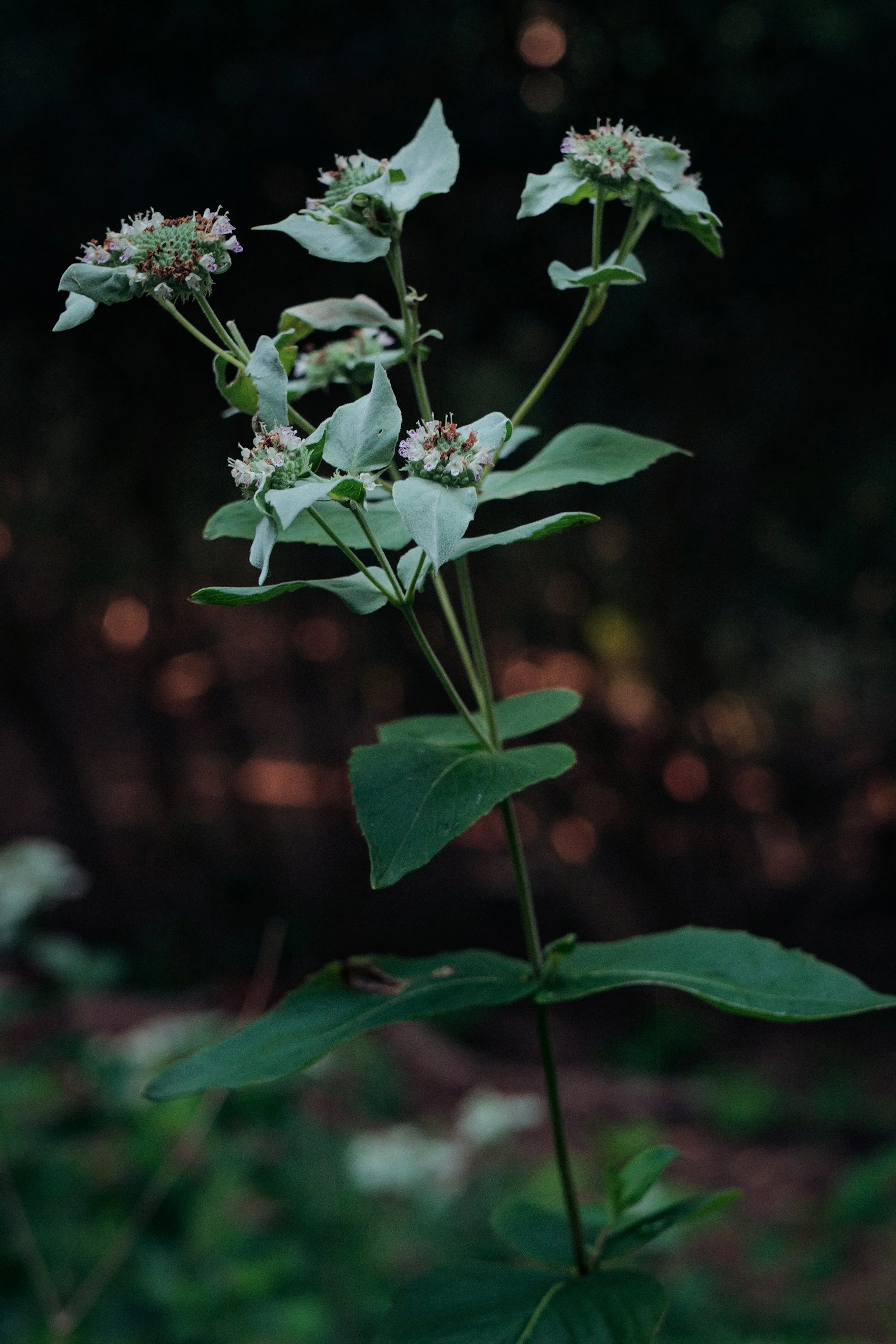
I find that the lens is not well suited to nature shots. I have taken this lens out on a few walks along nature trails and found that I am less impressed with how it renders trees and other plants. When shooting these close, I like to capture the details and textures. With this lens, I find the textures and details get a bit muddy, leaving the images it renders a bit dull to me. It’s not all bad, though; I do like how it renders out-of-focus areas, such as leaves with a bit of highlighting. The blur is smooth and calm. Some lenses render leaves and trees in the background with a more nervous or busy feel, which can be very distracting to me.

Another aspect I feel this lens is good at is how it renders the plants' shades of green; not that the other colors are bad. In the images I have taken, I find little desire to tweak the greens in Lightroom. When it comes to other flower colors, I am happy with how it renders yellows and oranges, too. To summarize, if your goal is to capture the details in nature, this may not be your best choice, but if you are looking to make your setup lighter during hikes and more focused on colors than details, you will like it for that.
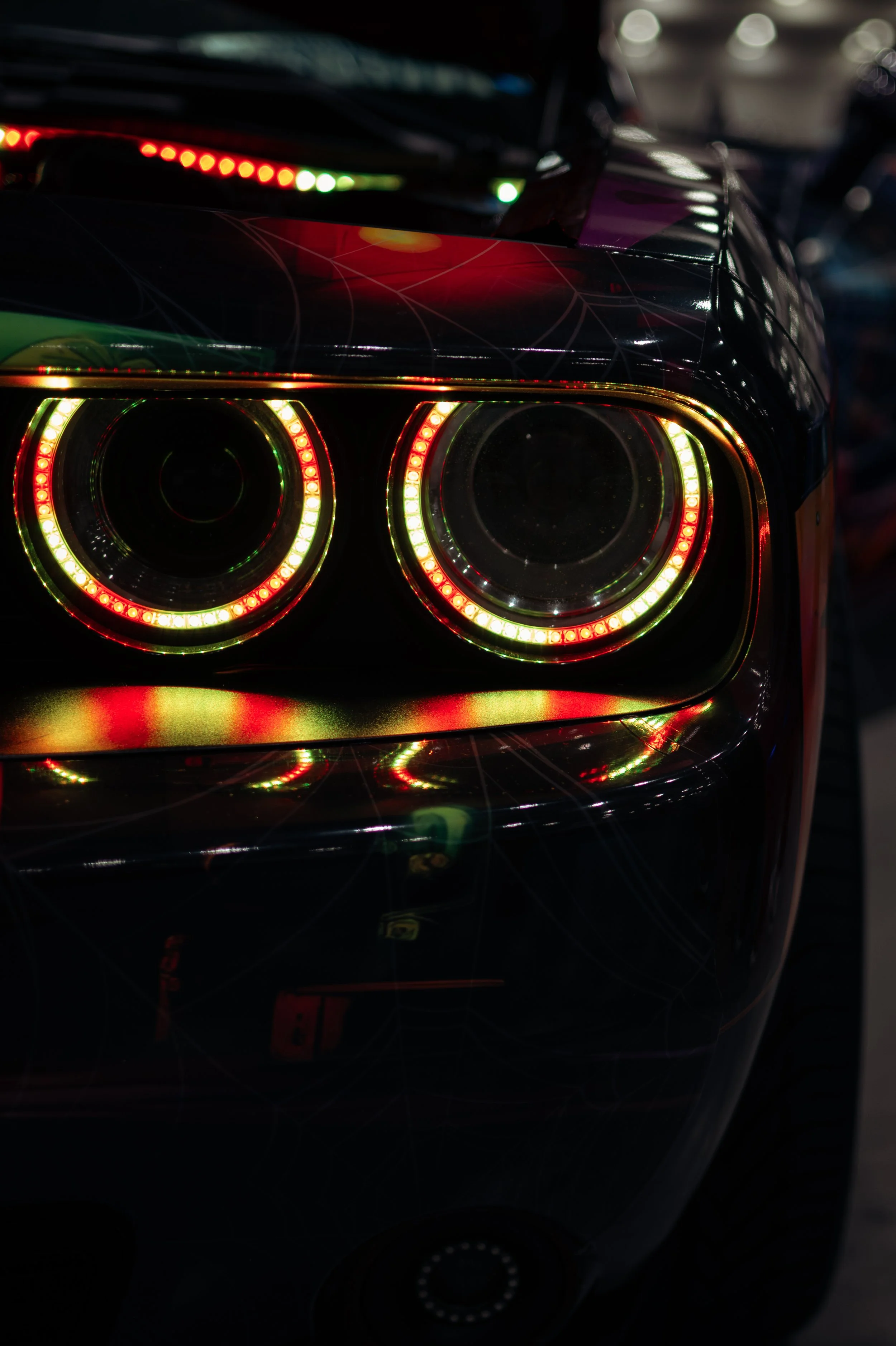
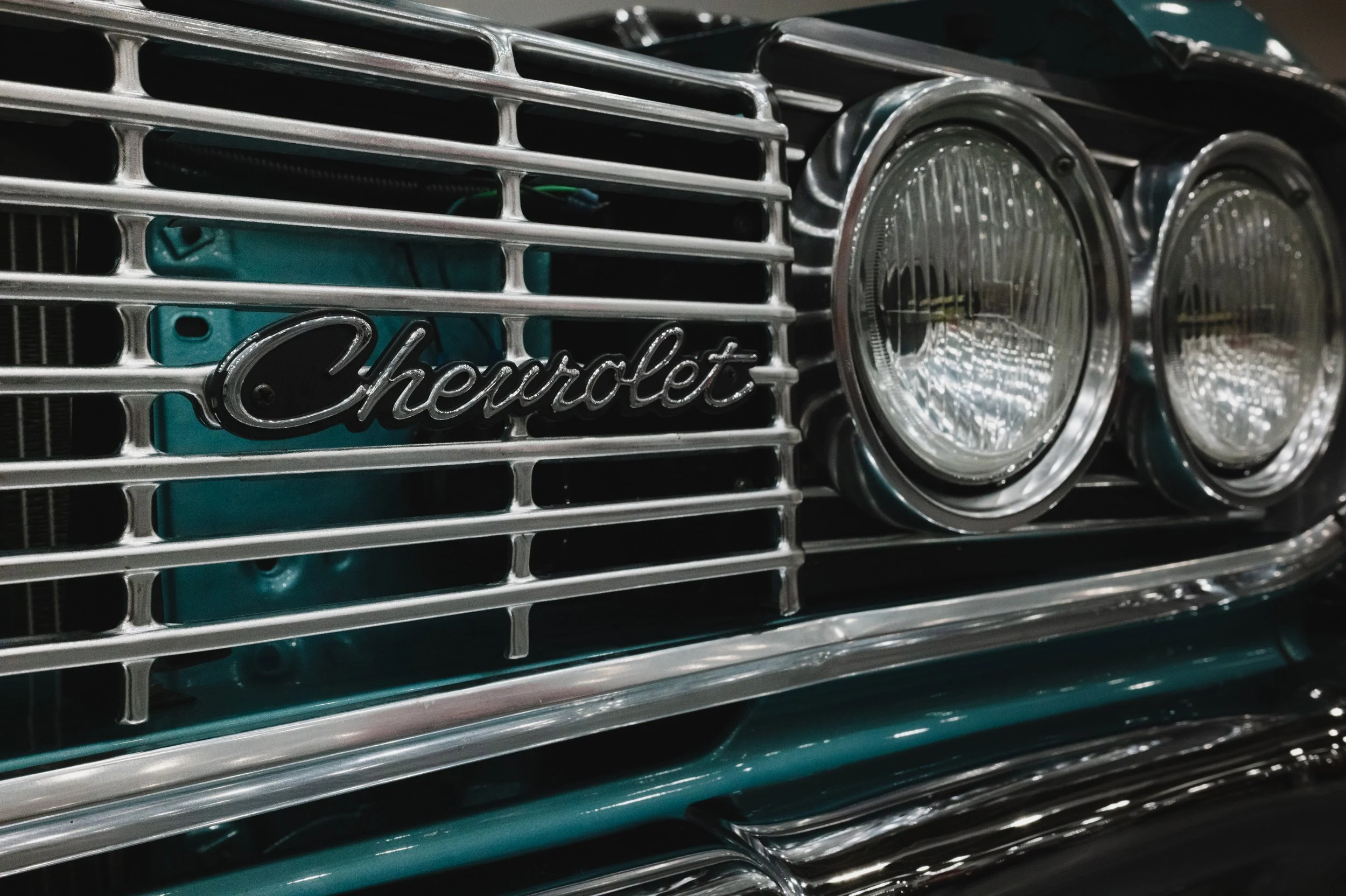
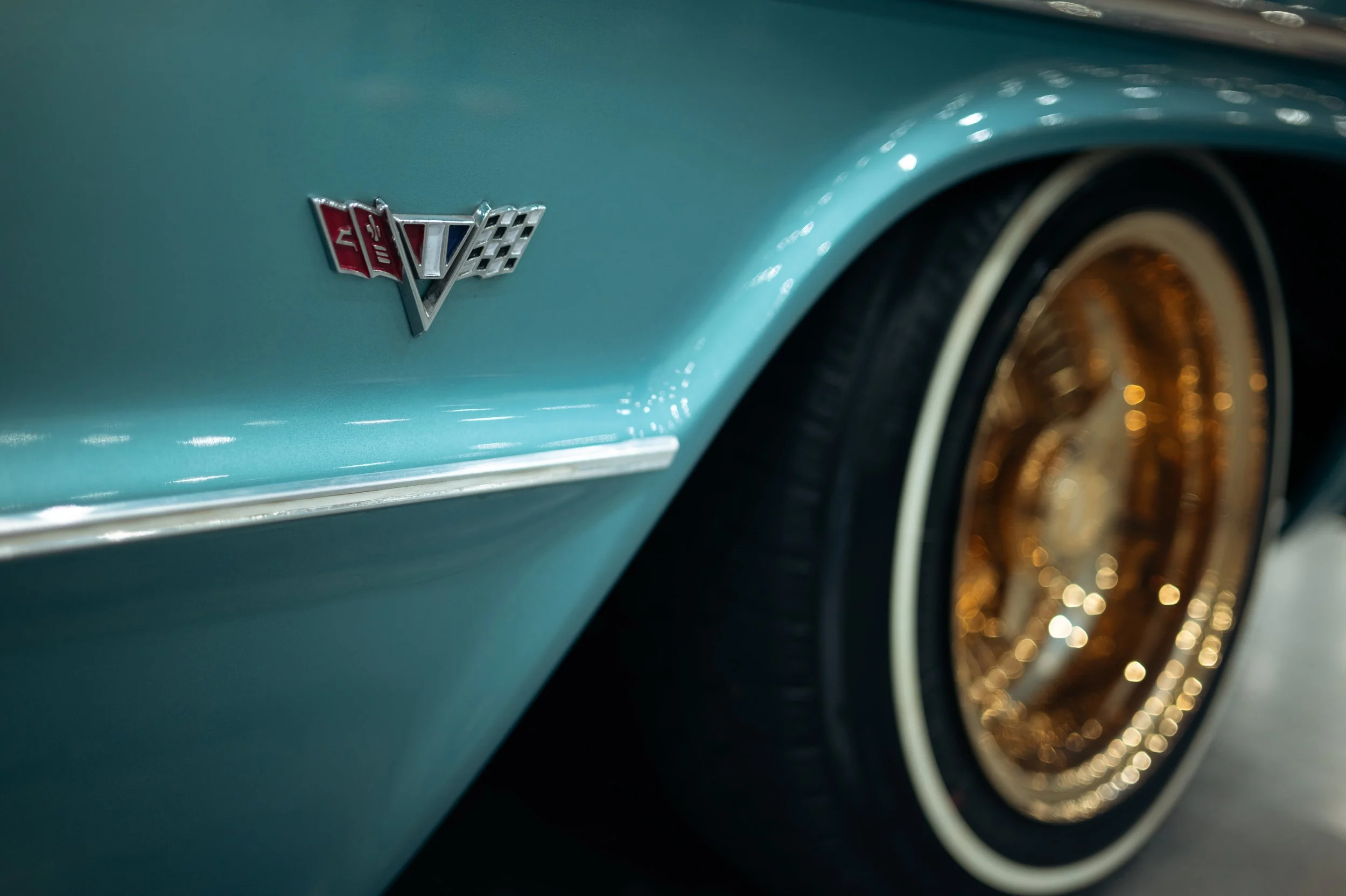
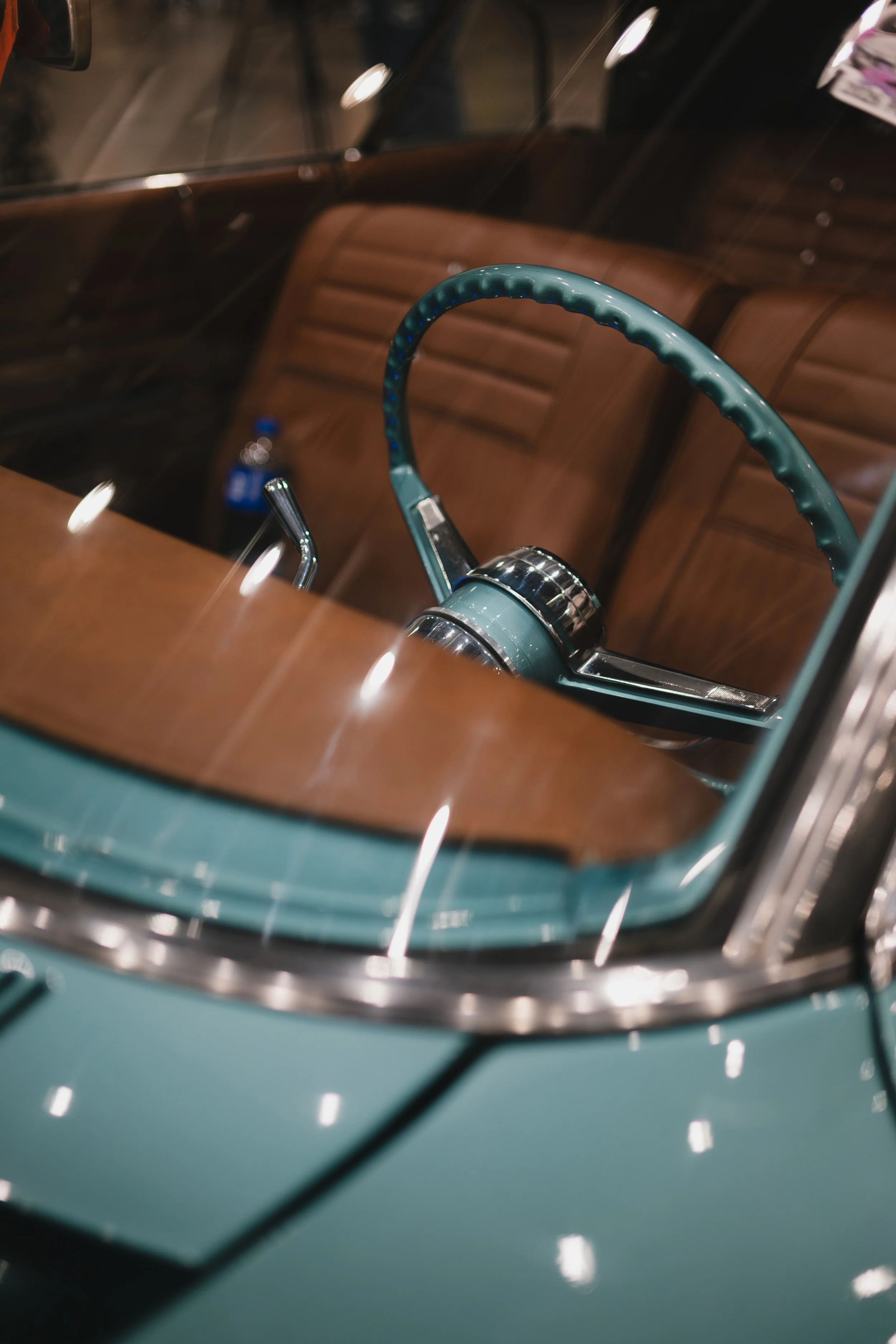
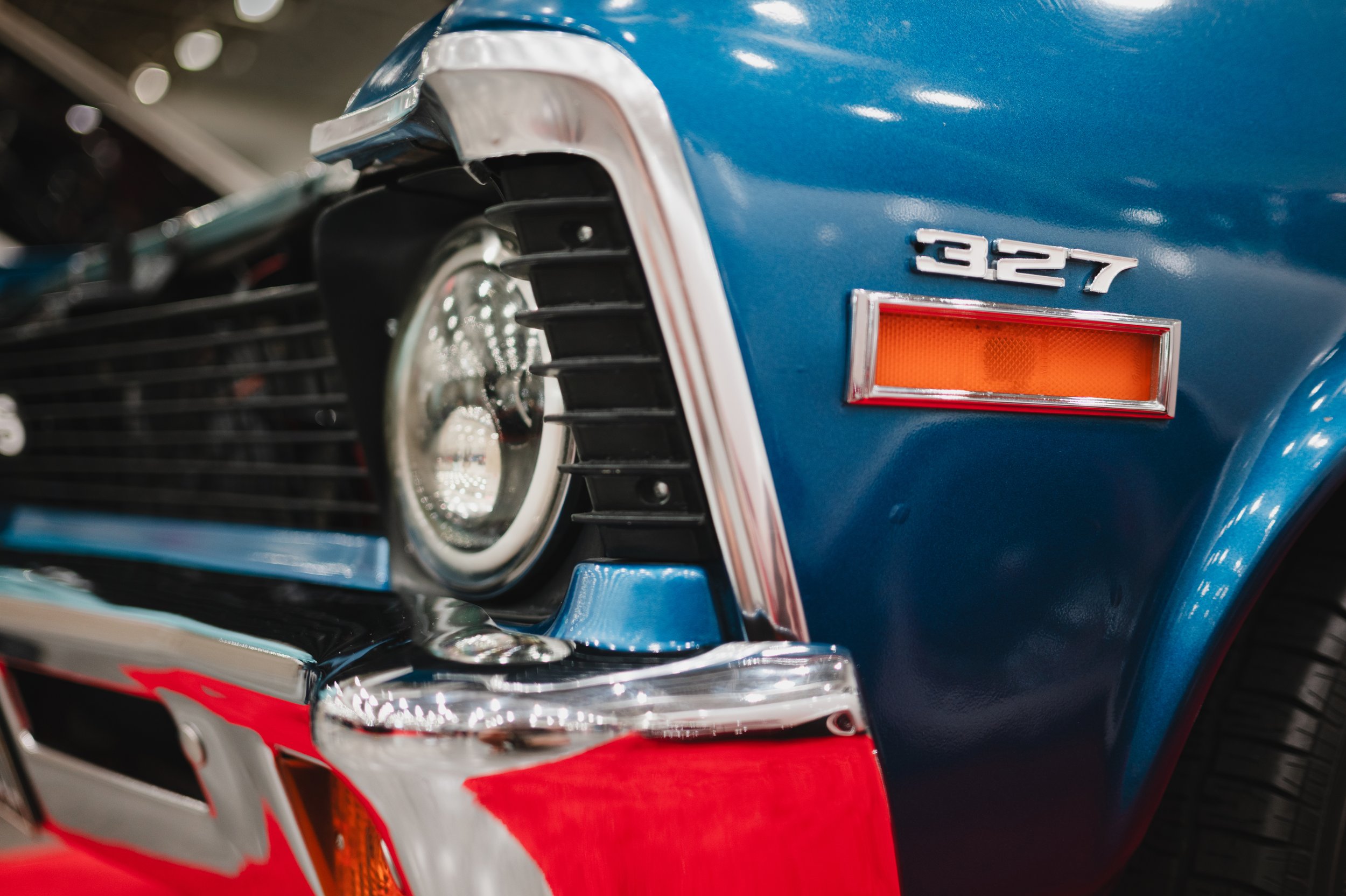
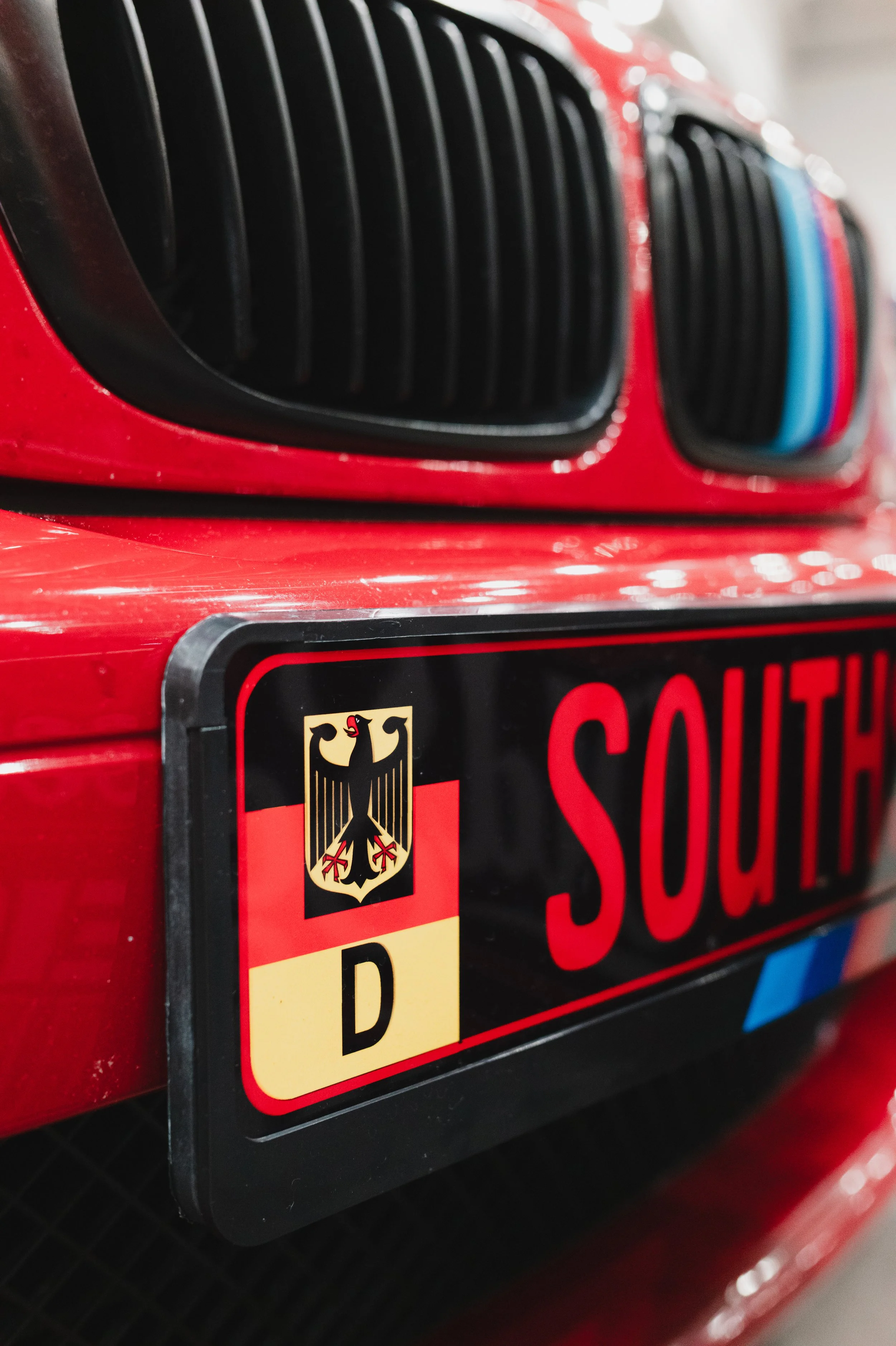
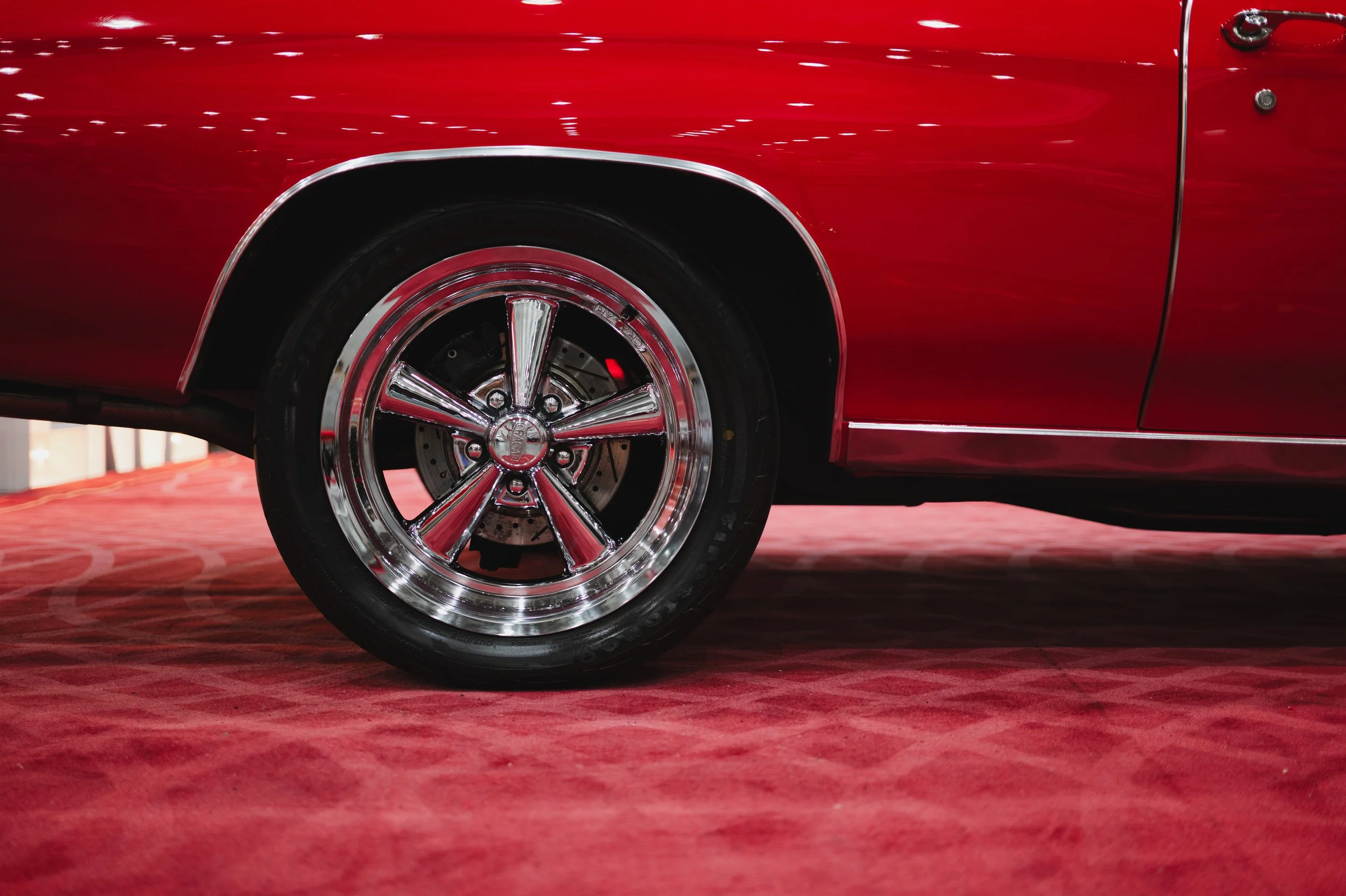
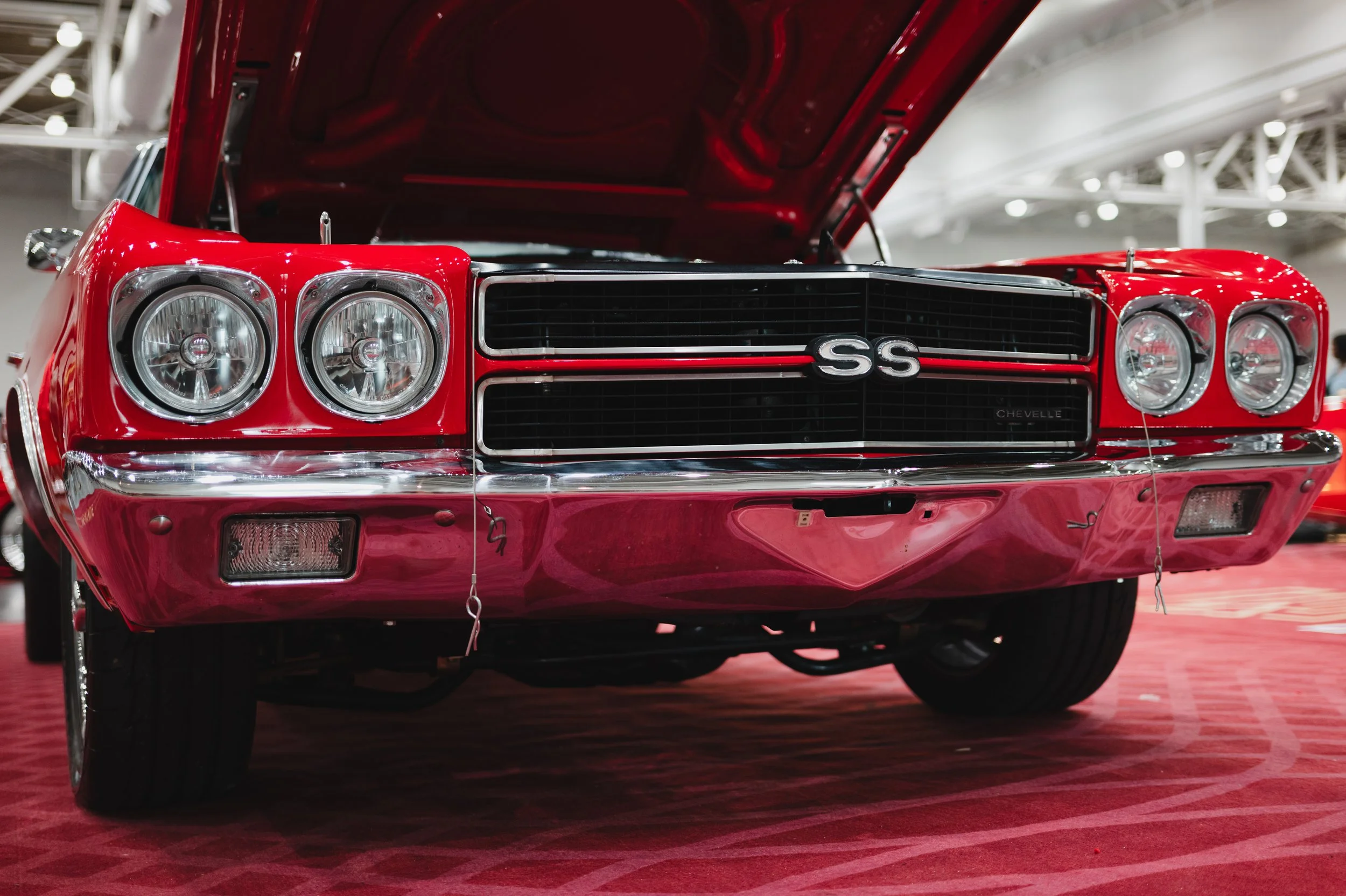
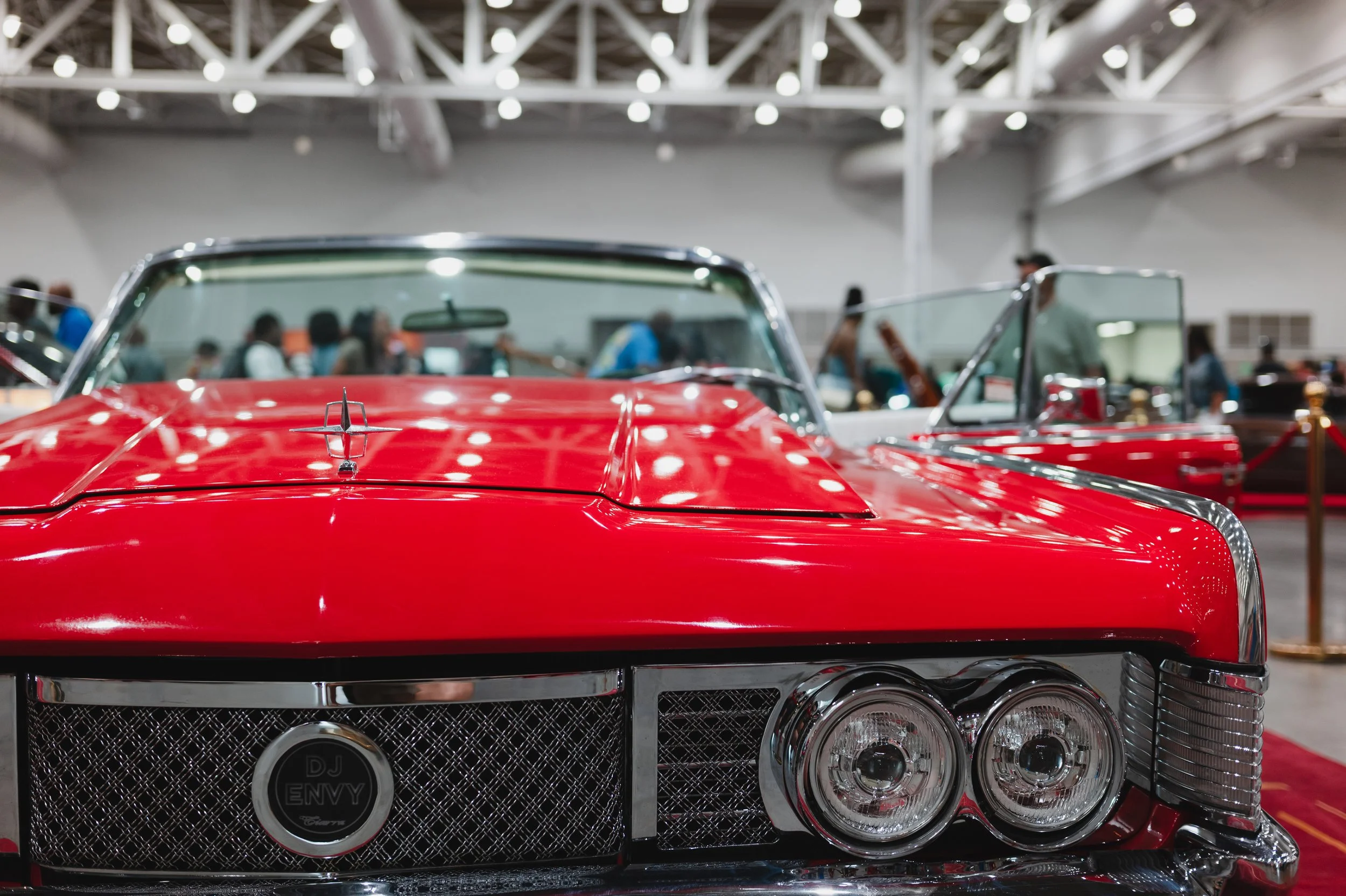
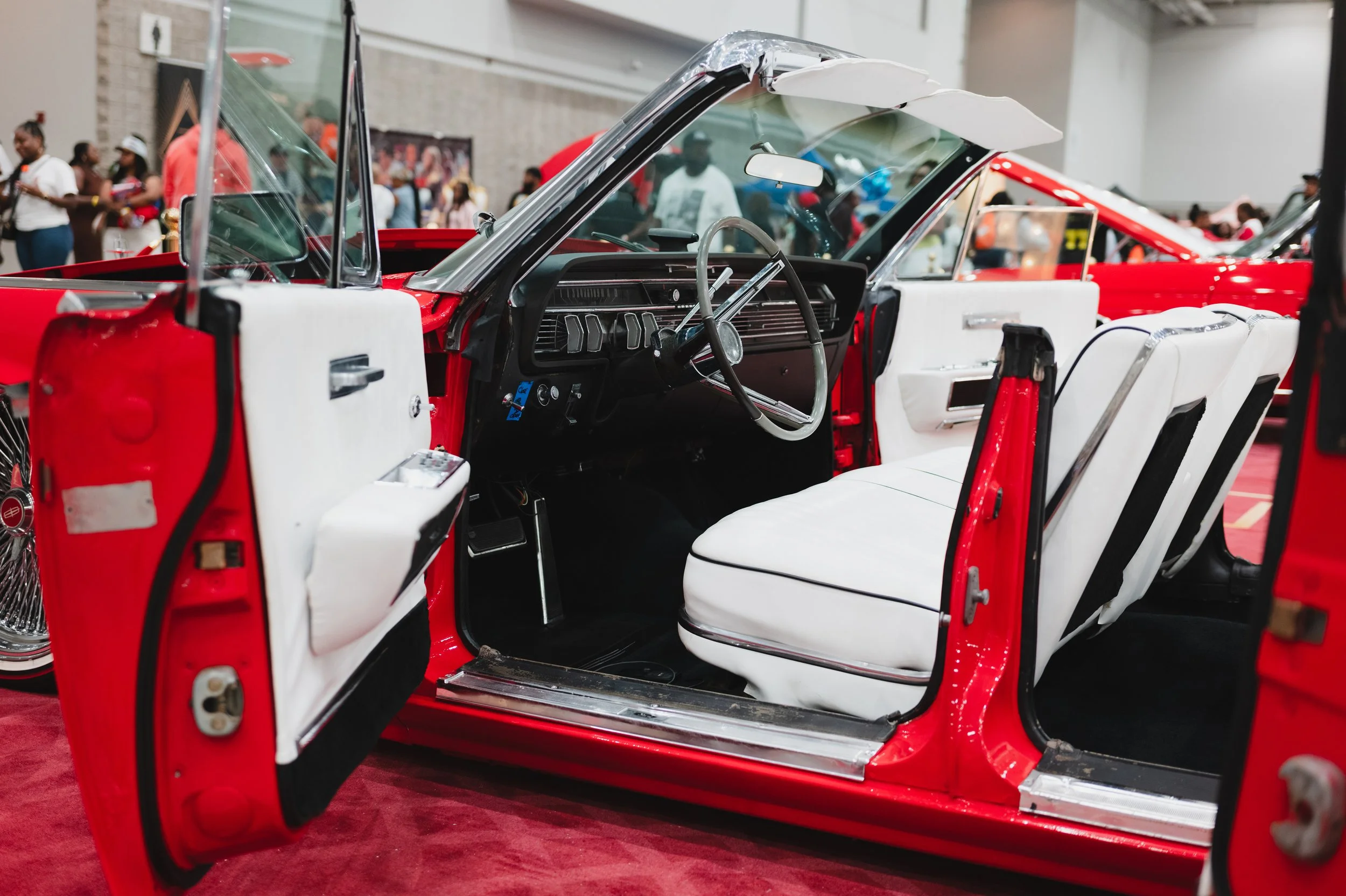
On the other end, I found that this lens performed very well at a car show. Moving around an indoor environment with a lot of people and small walkways, the size of this lens was great. I didn’t have to worry about bumping it against another person or, God forbid, a car. Taking the camera in and out of my bag was easy thanks to its size. In addition, when shooting cars, I feel it produces a strong image, and some of the shortcomings I mentioned previously become strengths. You want to capture a car's details without highlighting flaws; with an ultra-sharp lens, you can reveal cosmetic imperfections like swirl marks or scratches that might otherwise go unnoticed. To me, it’s more about capturing the colors and lines of the cars, and although I did tweak the colors in Lightroom, I felt like I was starting from a good place with how this lens captured them.
When it comes to capturing people and animals, it’s consistent with what I have already discussed. For people, I think it’s a pretty good lens for flattering images; it’s sharp enough that imperfections don’t stand out as much as they would with a sharper lens. My use has been limited, but I do feel skin tones have looked natural and pleasing, requiring less tweaking in post.
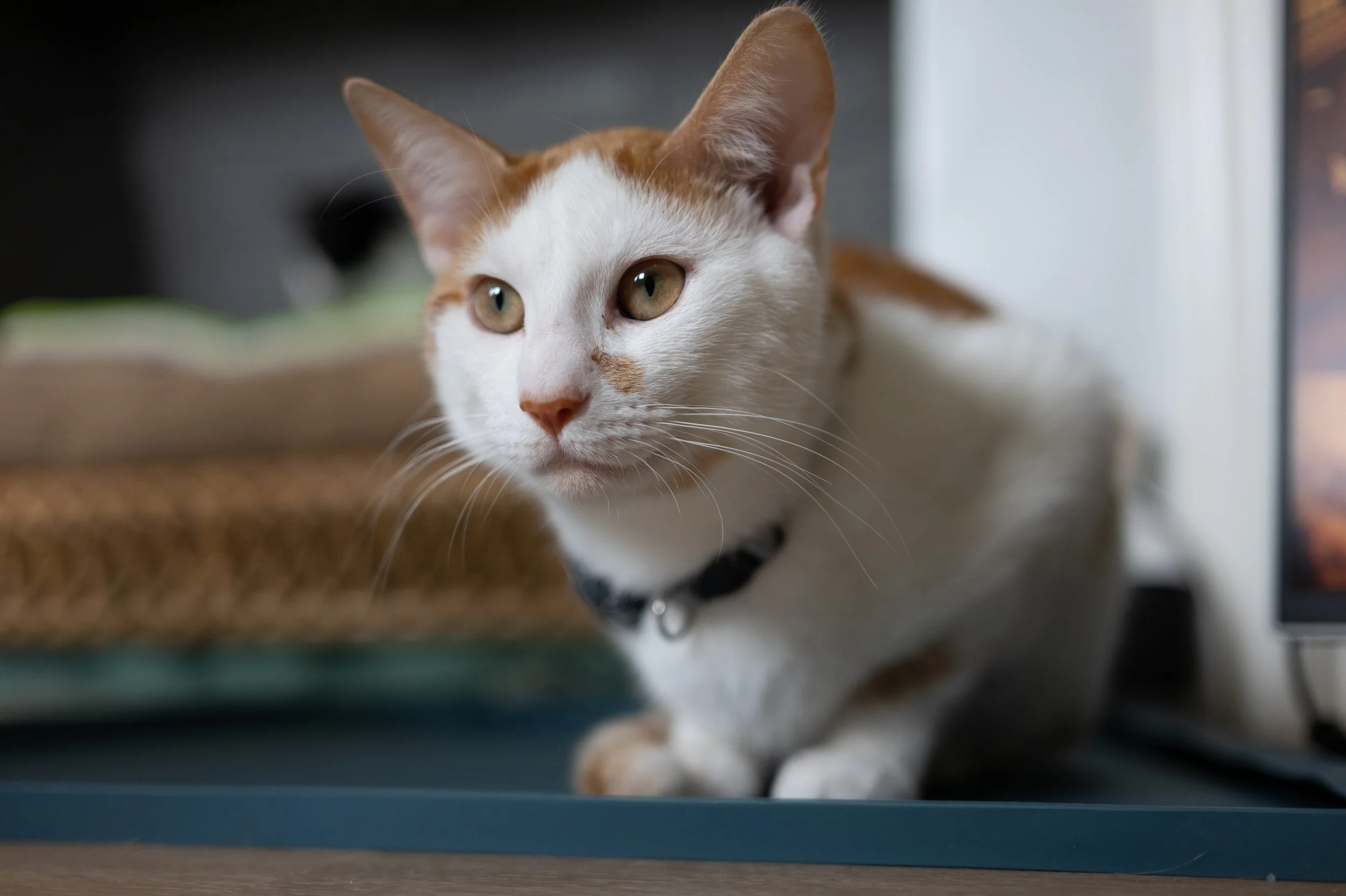
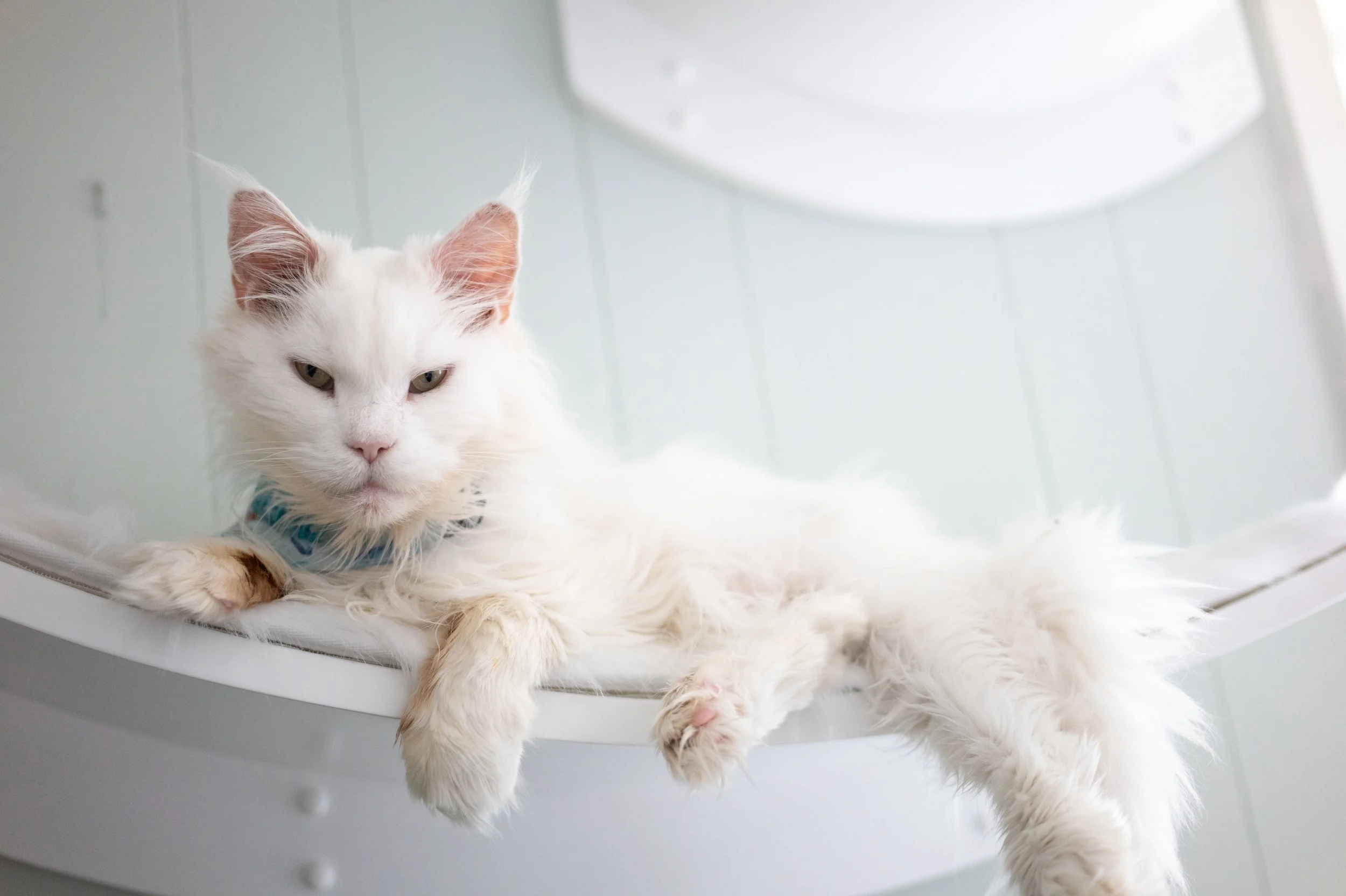
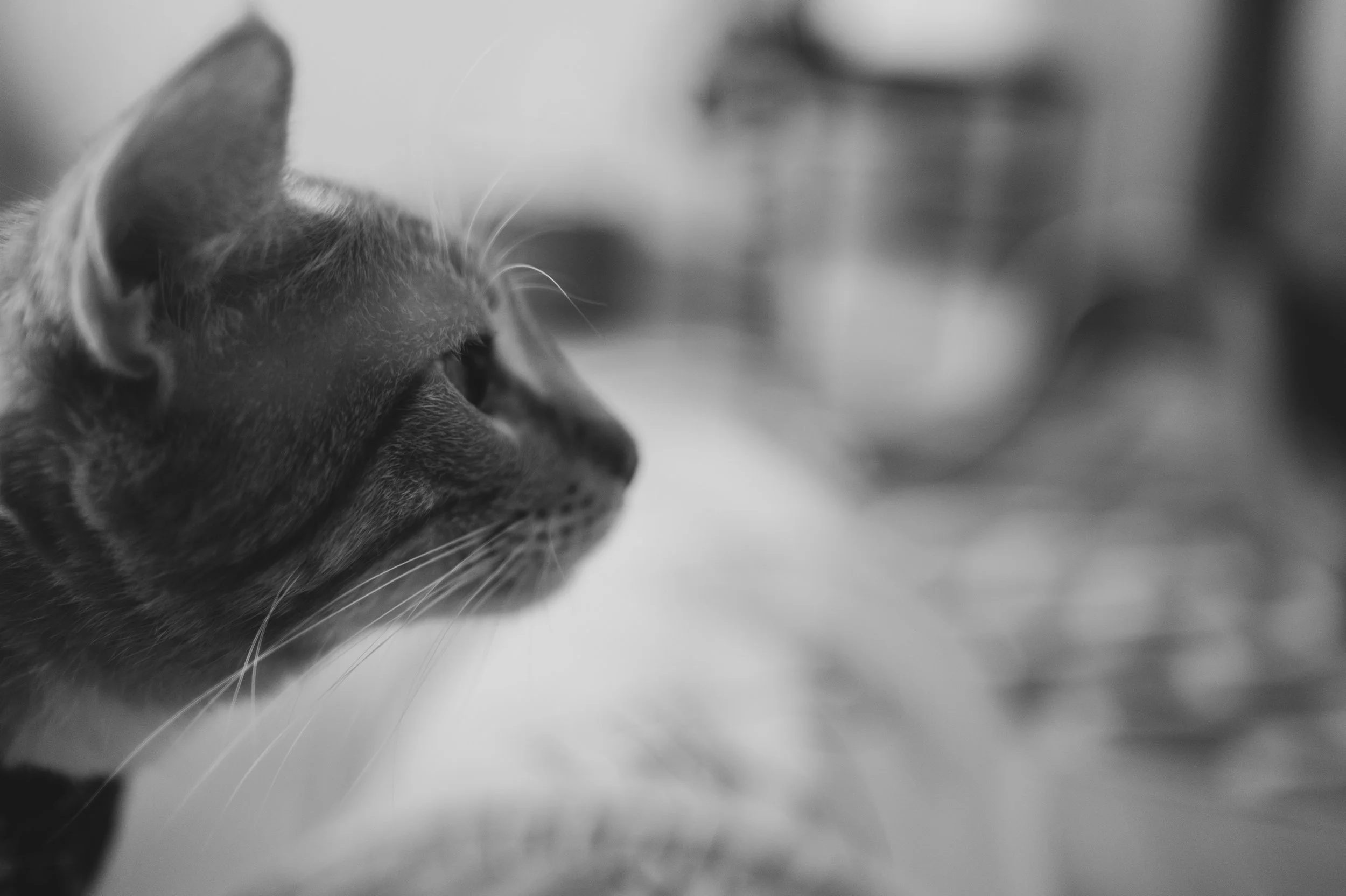
For capturing images of animals, I am on the fence about this lens. As I said when discussing nature shots, this lens can render images that appear sharp, but if you crop into them, you will start to lose details like individual strands of fur. During a visit to a cat café, I brought this lens, and while the images were initially a bit disappointing, after working with them in Lightroom I found that the lack of clinical sharpness made them more appealing.
To close out my thoughts on the image quality of this lens, it makes me wonder whether it is designed more for the Lumix S9 and other 24MP cameras, rather than for a 60+MP camera like the Leica SL3. I don’t have the technical knowledge to make that claim, but this is more of my observation.


Alternatives to this lens: Lumix vs Sigma
The closest lenses I can think of for comparison are the Sigma 35mm and 50mm Contemporary lenses, or even the Sigma 45mm f/2.8. There is a 40mm TTArtisan lens, but I haven't used it and haven’t been inclined to try it. Before I bought this lens, it really came down to this lens or a Sigma Contemporary option. Between the two, I prefer the Lumix's weight and size to the Sigma’s when looking for a lens that will make my Leica SL3 smaller and lighter. I do appreciate the Sigma’s all-metal construction, along with the metal hood and magnetic lens cap.
Another difference worth mentioning is that the Sigma lenses come with an aperture ring, while the Lumix does not. I don't think this makes one better than the other; it really just comes down to personal preference.
As for minimum focus distance, the Sigma 35mm and Lumix 40mm are close, at 27cm and 30cm, respectively, while the 50mm is a bit farther at 45cm. Depending on what you shoot, this may or may not be a factor for you.
When it comes to image quality, I haven't done a 1:1 comparison between the Sigma and Lumix lenses because I don’t own a Sigma copy. But I don’t think I need to do this to prove to myself which has better image rendering. While using Sigma lenses, I have captured images that impressed me with their sharpness and color quality. With the Lumix 40mm, not so much. The Sigma rendered images that felt more pop and didn’t suffer from details blending when zoomed in. Now I don’t want to end this by making it sound like I am saying one is bad and the other is good. I do feel that the Lumix produces a good image, especially for the size and weight. So, between the two, if the size and weight are more important to you, I would recommend the Lumix; if you are more critical of your images and want sharpness when cropping in, then Sigma is your better choice.
SL3 + Lumix 40mm: a quasi Q3 43?
Could a small, light lens turn the SL into something like a Q? I've asked myself that more than once. Here, I'll address it using my SL3 with the 40mm, against my Q2 and the Q3 43 I've considered buying.
So, does this combo make the SL3 into a quasi-Q3 43? No, not really. The Lumix 40mm f2 and the 43mm APO Summicron built into the Q3 43 are very different lenses, and comparing them directly isn't really fair. But I don't think that's the question that actually matters here. What matters more is whether this setup gets you close enough to what the Q offers that you'd stop reaching for the Q at all.
For me, that question became much more pointed after Leica released the v3.0 firmware for the SL3. I really do enjoy owning and using the Q2, but I've always struggled with the 28mm focal length, and I've considered trying the Q3 43 more than once because of it. Now that the SL3's autofocus is significantly better and it supports a much wider range of lenses, I started wondering whether I really needed to keep the Q2 around. The practical side of me says no, I don't need it. I just want it, which, if you have the means, isn't wrong.
So, what's my opinion?
The Lumix lens makes the SL3 significantly lighter and easier to carry on longer walks, and it's much easier to pull out of the bag and put back than the bigger lenses I own. It doesn't feel as nice in hand as the Q's Summilux lens, but that's not a deal breaker; I think I could get by just fine with the SL3 and this lens alone.
What I like about the Q is how sleek and thin it is. I had a grip on mine and used it for a bit, but never loved it, so I took it off. It's been collecting dust since. So the SL's grip could be a positive or a negative, depending on what you prefer. As for image quality, you'll have to look at the images in this post and elsewhere online and decide for yourself whether the difference feels major or minor. If you want something a bit sharper than the Lumix lenses, the Sigma DG DN Contemporary lenses are worth a look, too.
While walking around with the SL3, it can be a little annoying when the eyepiece pokes into my side, which isn't an issue with the Q. If you already use a Q with a thumb grip and don't mind that jabbing into you, you'll probably be fine with this too, and maybe even feel better about it.
The last thing to consider is discipline. A Q limits you to one lens, which can be a good thing, not just for keeping weight down but also for helping you make decisions instead of overthinking them. If having an SL with a bunch of lens options causes decision paralysis, this setup won't fix that, so stick with a Q.
So, is the SL3 with a small lens like the 40mm a real stand-in for a Q? Not exactly. But I've noticed that whenever I know I'll want autofocus, I reach for the SL3 instead of the Q2. That's telling me something. It might finally be time to let the Q2 go.
Conclusion
Back to my question from the start, will this lens be any different from other Lumix lenses I've used? Build quality-wise, no. It still has that plastic-like feel I've come to expect. But this time, I don't mind it as much. The size and weight I get in return feel like a fair trade, especially on days when I want the SL3 to feel less like a burden.
This isn't a lens for pixel-peepers who want the sharpest possible quality, and I don't think it's trying to be. If you like to crop in and check every strand of fur or blade of grass, you'll find things to complain about here, and the Sigma Contemporary lenses will probably serve you better. But if you want a lens that makes the SL3 easier to carry and a bit more of an everyday carry, this one does that well.
I don't think this lens turns the SL3 into a Q3 43, but as I said earlier, it has made me realize my Q2 is getting less use. For now, I’m going to stick with the Lumix 40mm f2 for a little longer and see how often I reach for it over other gear.
Who is this lens for?
Photographers who want to make their SL3 lighter and easier to carry without giving up autofocus.
Anyone drawn to the Q3 43 but hesitant about being locked into one focal length.
Street, portrait, and everyday walk-around shooters who don't need to crop in tight.
Anyone currently shooting with a 24MP camera.
Who might want to look elsewhere?
Pixel peepers or anyone who crops in heavily, especially on high-resolution bodies like the SL3.
Nature or wildlife shooters who want fine detail and texture.
Anyone who prioritizes premium build quality in their lenses.
I would like to avoid adding advertisements to my site. I dislike the experience of visiting a website and being bombarded with ads. To help support this, I ask that you consider using my affiliate links below when purchasing camera equipment; this will help me keep this site going.
I recommend buying used from either MPB or KEH, both of which offer great return policies.
Affiliate Links
I am not affiliated with Lensrental.com, but this is where I like to rent my equipment. If you're in the United States and considering renting cameras, lenses, or other equipment, please use the code below and give them a try. It will provide me with a small discount on future rentals, which will lead to more reviews!
https://share.lensrentals.com/x/8BG6mh
Sample Gallery