Leica SL3 in 2026: A long-term review. Does it still hold up against the SL3-P?
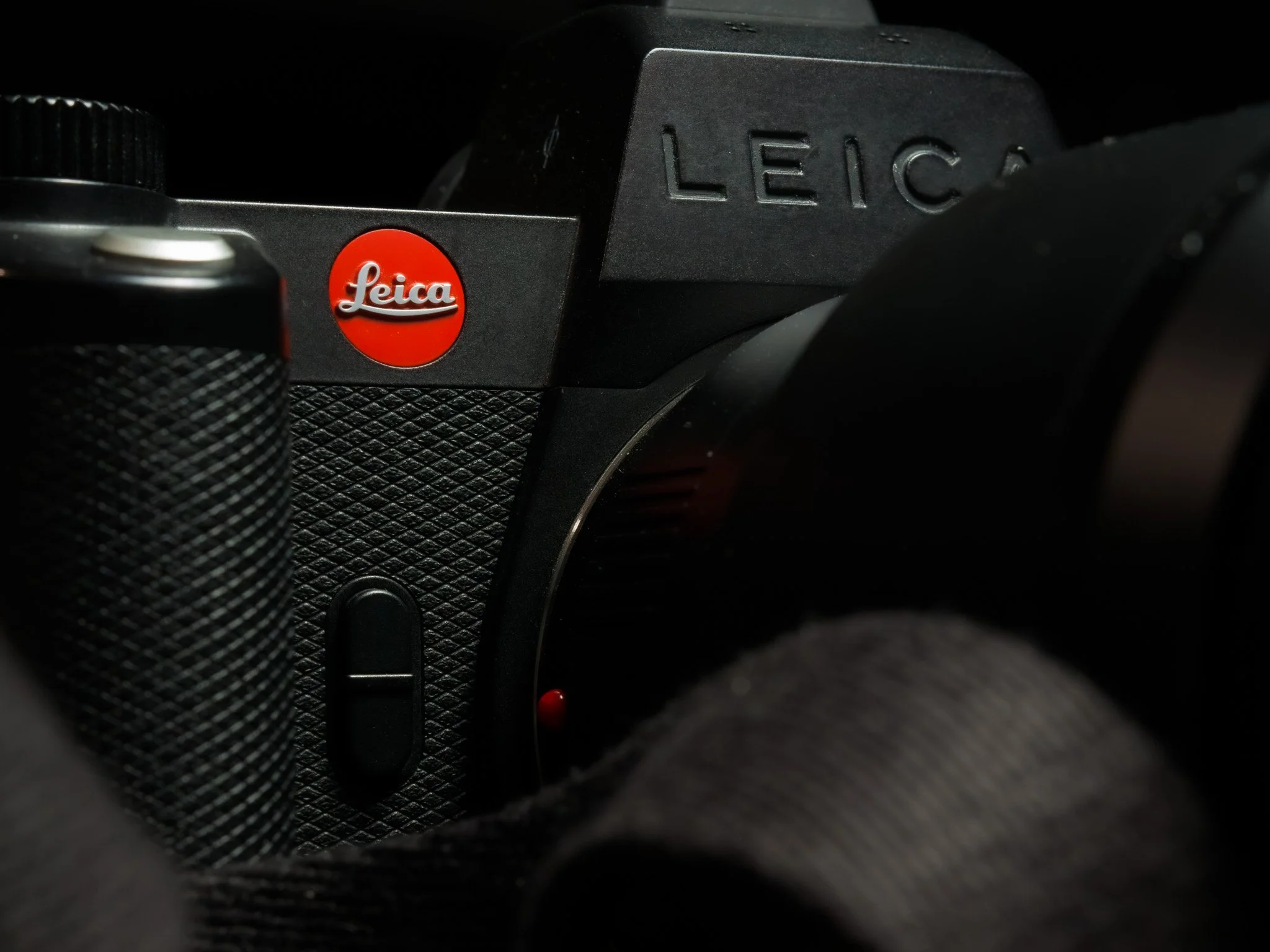
I've shot with several of Leica's SL cameras, including the first-generation SL, the SL2-S, and now the SL3. Over that time, I’ve traveled with these cameras and shot portraits, nature, wildlife, family, and sports. It’s safe to say that I have used the SL system long enough to form some opinions on it.
In this post, I want to walk through my time with the SL line, why I moved from one to the next, and finally, the reason I'm writing this now, in 2026: the version 4.0 firmware update that dropped at the end of last year. It took a camera I already loved and made it even better.
If you're thinking about jumping into the SL system, or you already own an SL and are debating an upgrade, this one's for you.
50mm APO Summicron-SL
My History with the SL (Typ 601 → S5 II detour → SL2-S)
After switching from the Leica Q2 to the Leica CL, I decided it was time to return to full-frame, which led me to the first-generation SL, the Type 601. By then, Leica had already released the SL2 and the SL2-S, so the price for a used copy was pretty good. I immediately loved this system; it may be a bit larger and heavier than what I had used, but it felt right in the hands, had only essential buttons, and produced amazing images.
After using it for a few months, I moved to the SL2-S, not out of any dissatisfaction with the SL; my main reasons for moving up were improved autofocus, ISO, and IBIS. The SL2-S stayed with me for a few years, and I used it for just about everything: travel, wildlife, etc. Honestly, I didn't really need to move from the SL2-S to the SL3, but before I get into why I traded up, I want to backtrack for a moment.
Before buying the SL2-S, I bought a Panasonic Lumix S5II instead. From what I read, it was arguably better than the SL2-S and cheaper. It had many more features, such as in-body focus stacking, a high-resolution image mode, and faster autofocus. My time with it was short-lived. I wasn’t a fan of how it felt in the hand or the button layout. It felt more like plastic; the buttons were rougher, and worst of all, I kept pressing random buttons while shooting. So, as much as I appreciated the better tech, the latest and greatest tech doesn’t always win out; sometimes the tactile feel and well-thought-out button layout are better. This made my decision pretty simple. Time to go back to the SL line.
Why the SL
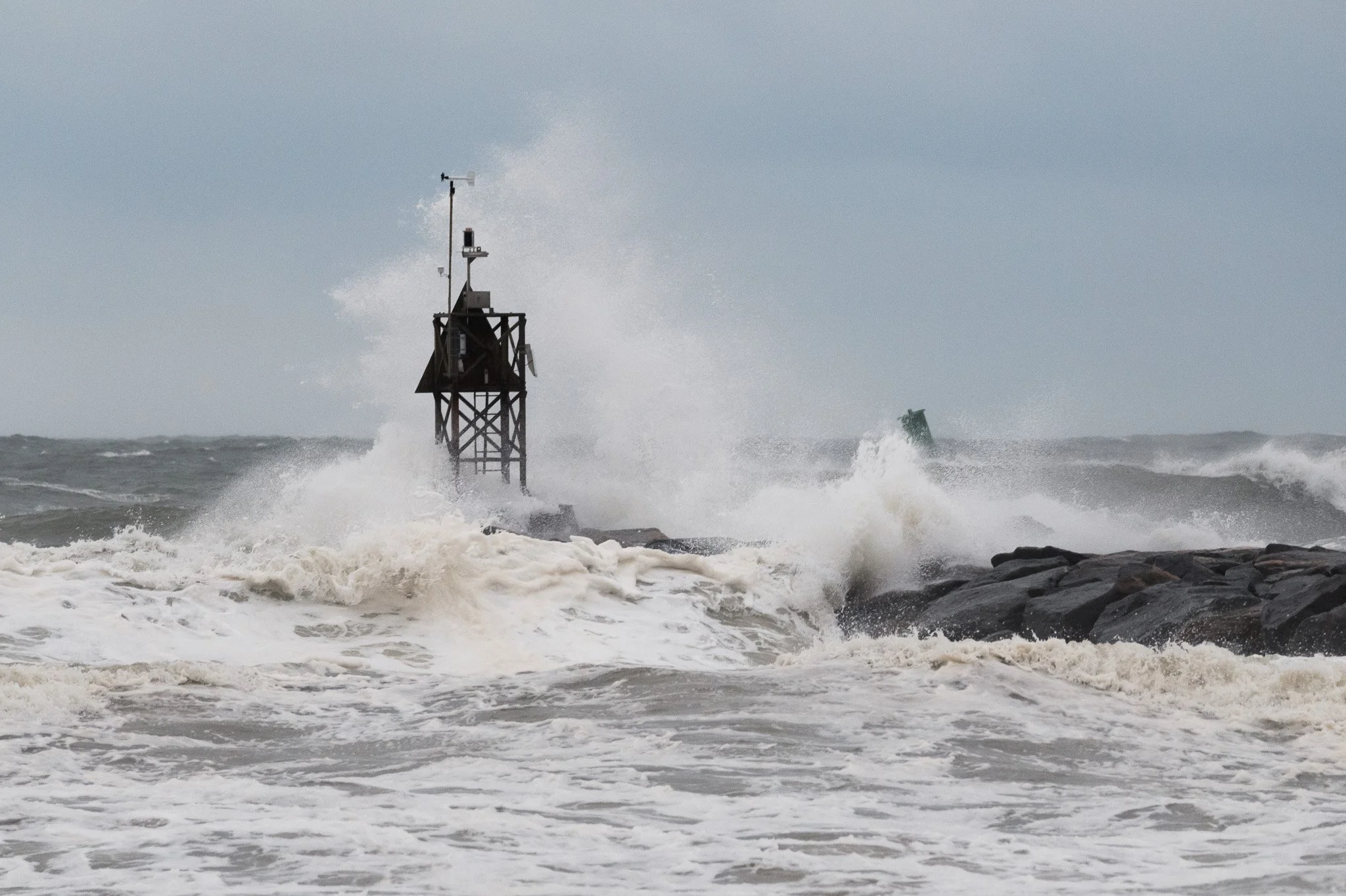
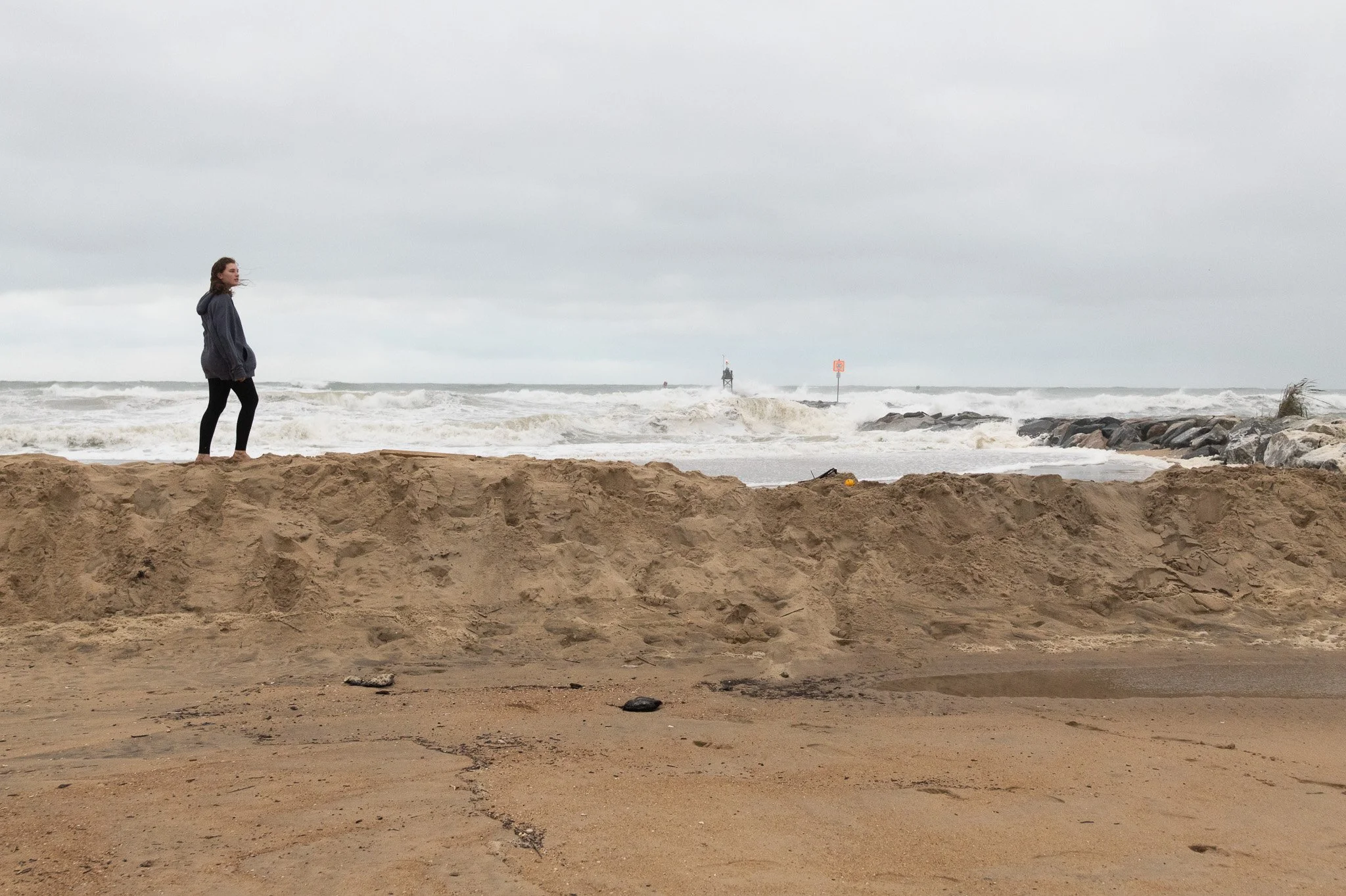
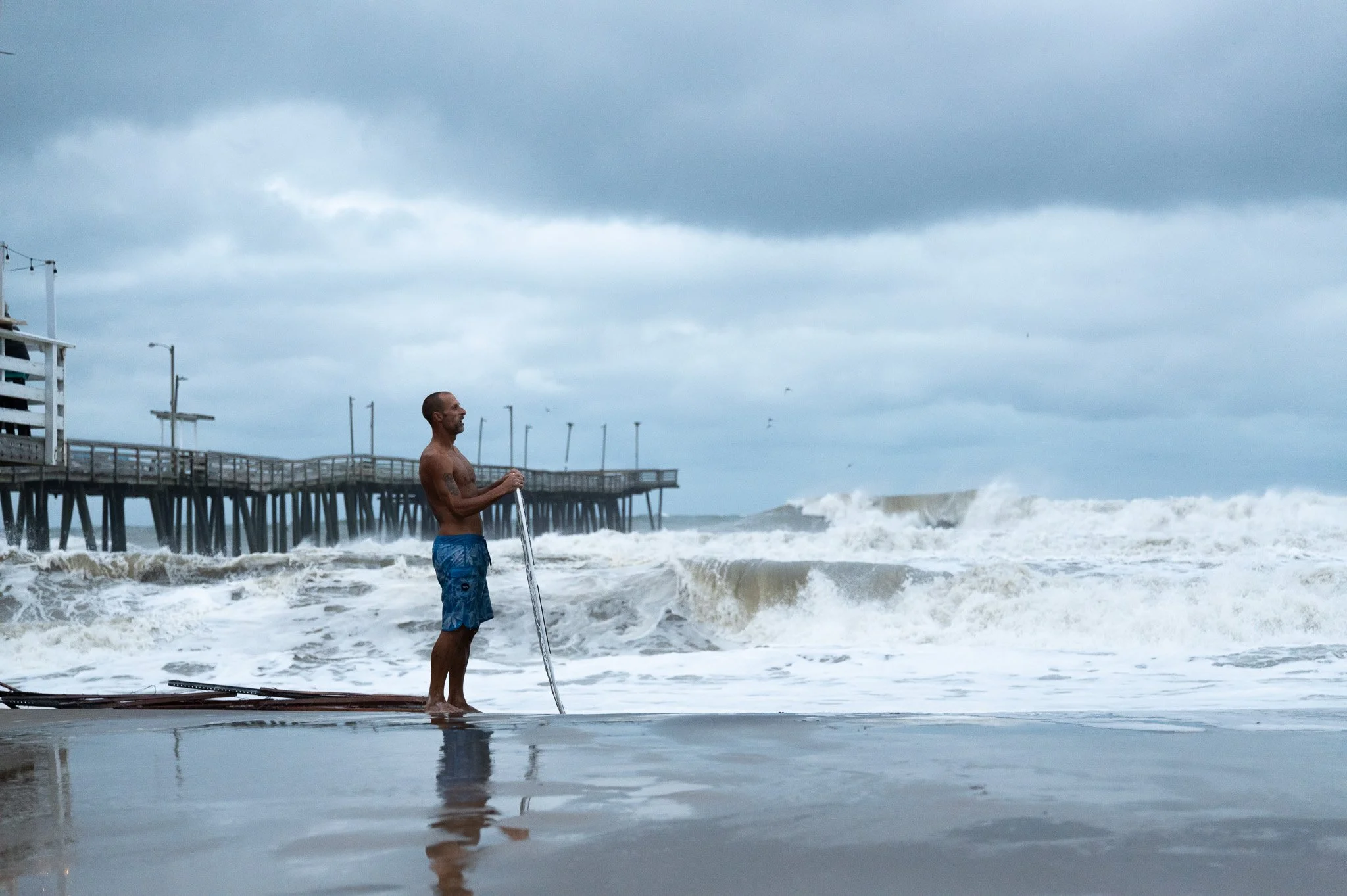
Beyond ergonomics and image quality, the top reason I’ve liked the SL system so much is something you don't always see on a feature list: weatherproofing. I’ve taken my SL to the beach during and after hurricanes, when the air is thick with salt spray and moisture, and I never give the seal a second thought. For example, my experience with the Lumix S9 at the beach, when the humidity spiked, and it began to drizzle lightly, I stopped shooting and packed it up. With the SL system, from the body to the glass, I don’t change my plans when the weather turns. Living near the beach, my camera is often exposed to sea spray and sand, and knowing that my camera and lenses, such as my primary lens, the Leica 24-90mm Vario Elmarit, are built to handle these conditions, allows me to focus on shooting rather than the conditions. It’s that confidence that allows me to focus on the frame rather than the forecast.



Moving from the SL2-S to the SL3
So why did I move from the SL2-S, which I was happy with, to the SL3? Honestly, it was the flip screen. Yes, several upgrades have made it more appealing than the SL2-S. The bump from 24 MP to 60 MP, the slightly lighter body, in-body charging, and improved autofocus, to name a few. But in the end, I like the flexibility a flip screen brings. It makes getting more creative angles easier and getting low to the ground for macro shots.
Coming from the SL2-S to the SL3, I noticed a few things when holding this camera; to this day, I am still not sure which I prefer. The SL3 is slightly lighter, almost 100g lighter; it’s noticeable. The SL3 is slightly narrower, while the height and depth have increased slightly.
To me, the grip is better on the SL2-S. On the SL3, my pinky hangs slightly off it, and I wouldn’t say I have large hands. I have found that attaching a mounting plate to the bottom does solve this issue, but I don’t want to make this sound like a big deal after owning the SL3 for a while now. I have adjusted, and it doesn’t bother me at all.
Another difference I preferred on the SL2-S was the memory card door; on the SL3, it feels less solid. I wouldn’t say it’s flimsy, but it does flex slightly when opening the door. Is this a concern? No, just maybe a tiny disappointment that it feels like a step down, though I only think about it once in a blue moon.
The bump from 24MP to 60MP was also nice. It gave my prime lenses a little more reach when I wanted to travel light, letting me crop in and still get a sharp image. The extra resolution was a boon. I'm not always perfect with my framing in the moment, and when reviewing images at home, I've found new compositions in the original shot that I didn't see through the viewfinder.
Finally, surprisingly, the most controversial change was the switch to a power button. Yes, flipping the switch was fun and made it feel a little cooler, but ultimately, I don’t really care either way. Neither has caused me any issues; both worked. It is a matter of personal preference, and you are free to like what you like here.
Leica 35mm Summilux-M
My Main L-mount Lenses
The Leica 50mm APO-Summicron-SL and the Leica 24-90mm Vario-Elmarit-SL are the two lenses I reach for most often. I've written full posts on both if you want my thoughts and comparisons to other third-party lenses, but the short version is that these two cover almost everything I shoot.
I've always been a 50mm shooter at heart, so the APO-Summicron was an easy choice. It's my go-to for street photography, low-light situations, and anytime I want this larger camera to feel a little more manageable. The 24-90mm is the opposite, bigger than I'd like to admit, but it covers everything from portrait work to landscapes to close-up detail shots while on a hike. The image quality is so great that I don't think about the size trade-off much anymore.
Both lenses have also benefited noticeably from the jump to 60MP. The SL2-S's 24MP sensor never felt like it was holding these lenses back, but the SL3 resolves enough detail that I finally feel like I'm seeing what these two are capable of.
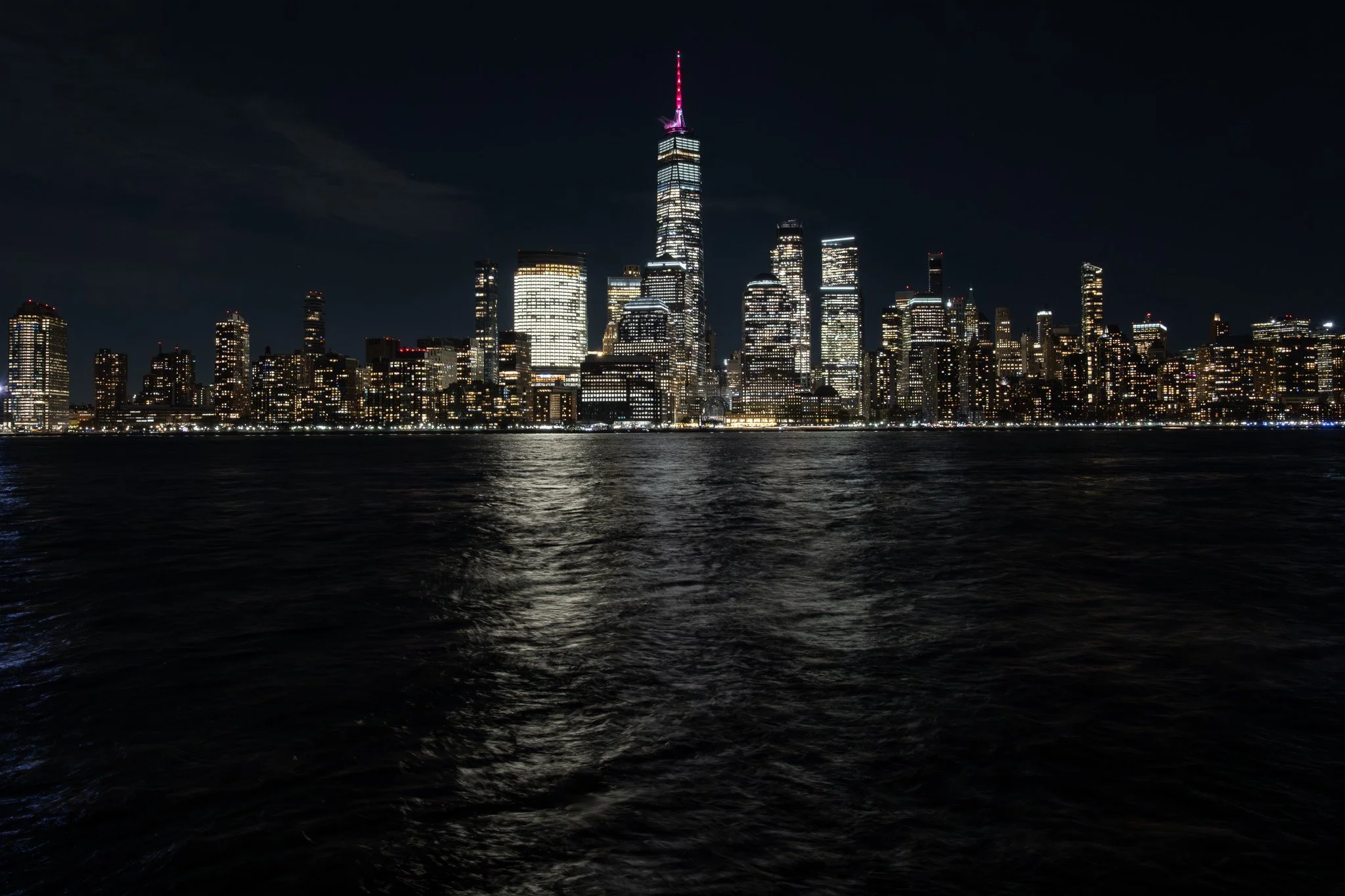
Leica 24-90mm Vario Elmarit-SL
Adapting Vintage Lenses
Voigtlander Super-Wide Heliar 15mm
What I like most about the SL3 is the range of lenses I can easily adapt to it. If I could have only one camera, I think it would be an SL, preferably the SL3. I have adapted plenty of vintage glass to this camera, including a 50mm Leica lens from the 1930s, multiple Canon LTM lenses from the 50s and 60s, the Helios 44-2, and more. All have worked very well on this camera without issues. With an M, if you have a vintage lens that is not rangefinder-coupled, you will need to either zone focus or get an electronic viewfinder. However, it is not as good as the SL3's viewfinder.
An example of when it can be better to use an SL with vintage lenses is that, with my Canon 100mm Serenar, I can mount it on my M, but it does not focus due to an issue with a part I believe is called the focus cam. It gets jammed and doesn’t move the rangefinder arm for focusing. When I mount it on the SL3, since this part is not needed, I can focus successfully with this lens. If you are interested in learning more about manual lenses on a Leica SL, check out a previous post here.
Firmware 4.0
In December 2025, Leica released a new firmware update for the SL3. One of the biggest improvements was the SL3's faster autofocus performance. I always got by with the SL3's autofocus before this update. It was not perfect, but I learned to live with it. To be honest, at times, I would get a little envious of my friends' Sony A7R V autofocus. This update narrowed that performance gap. It is still not at the Sony A7R V level, but it was a noticeable improvement.
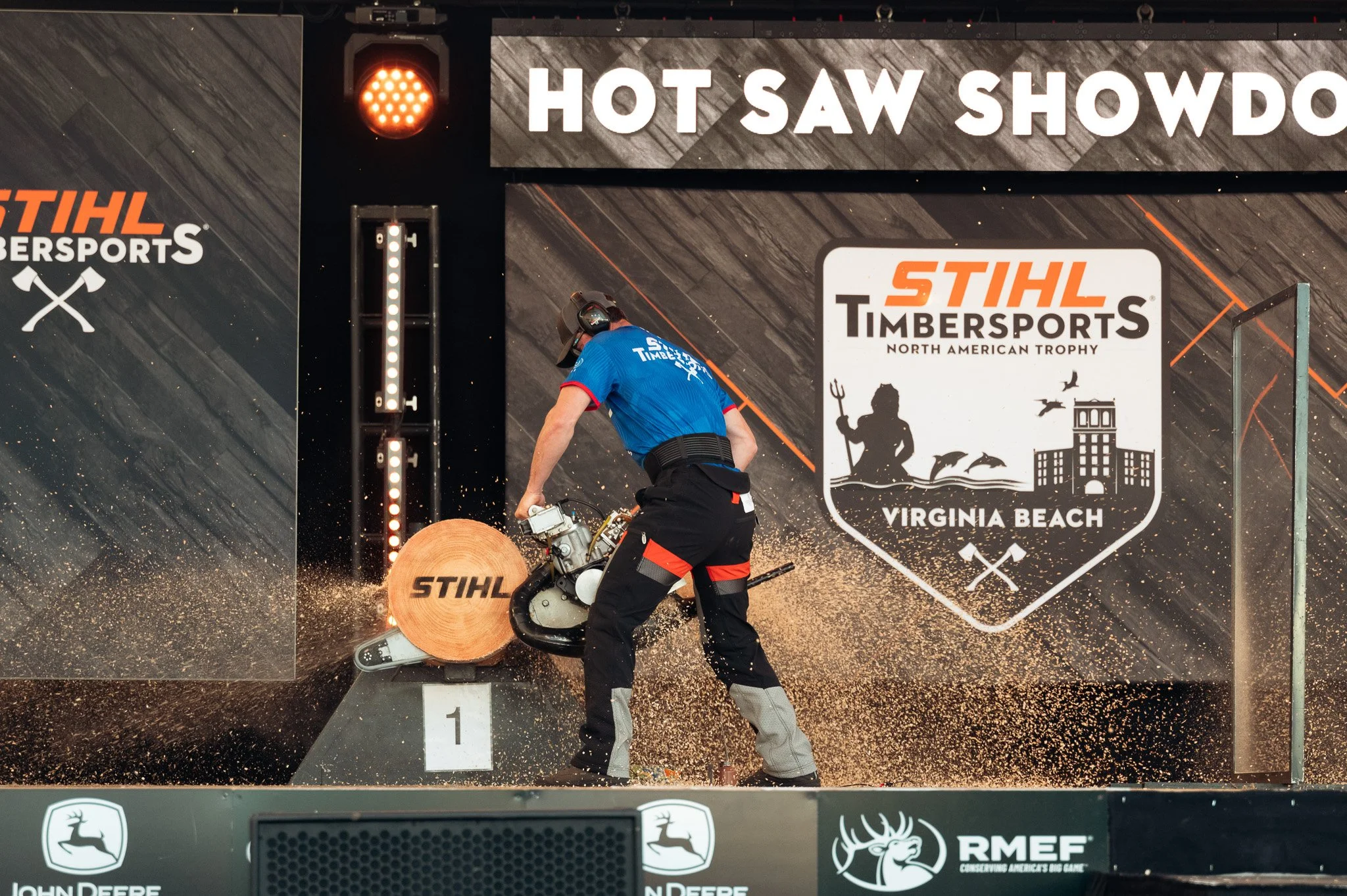
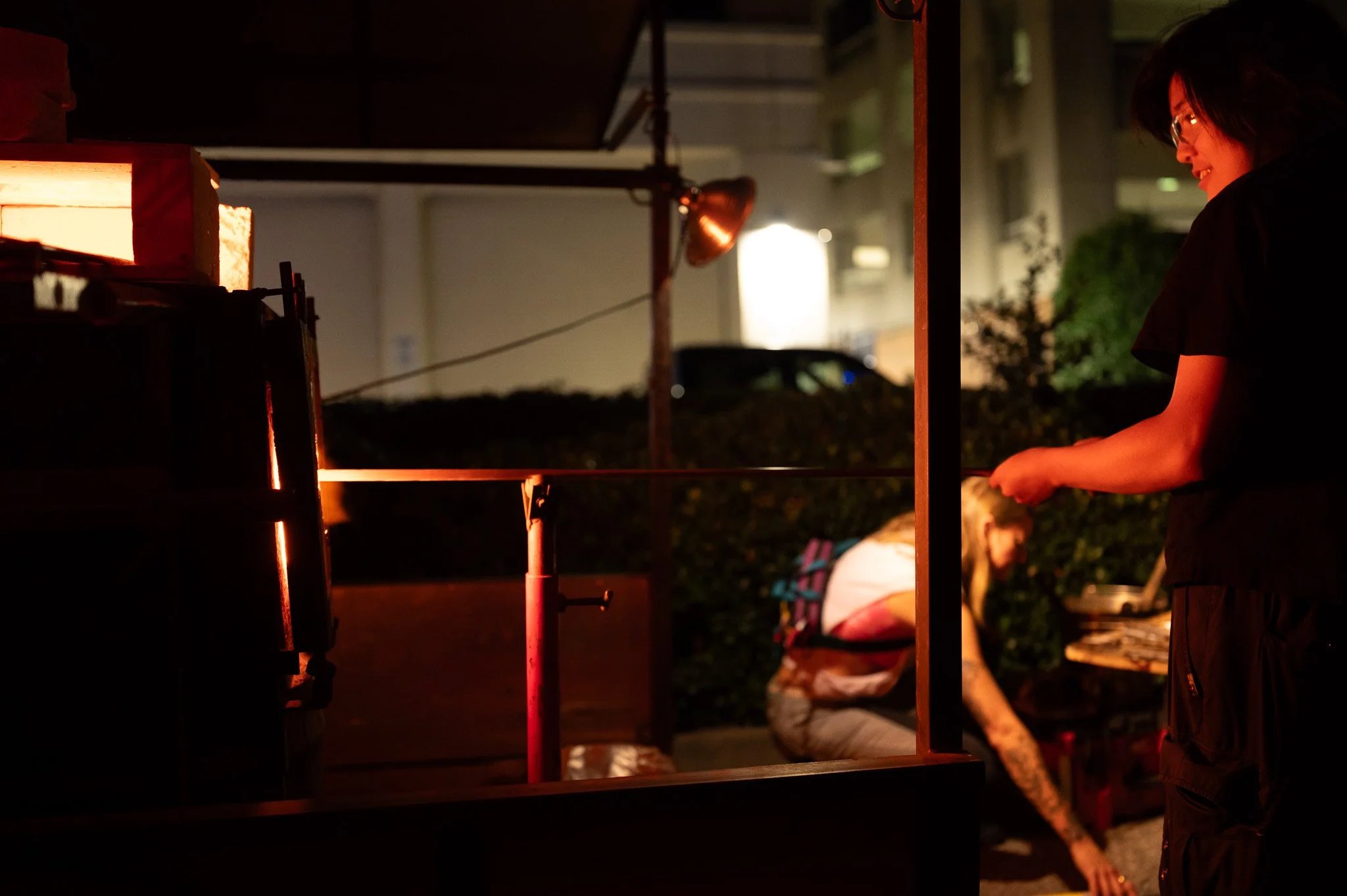
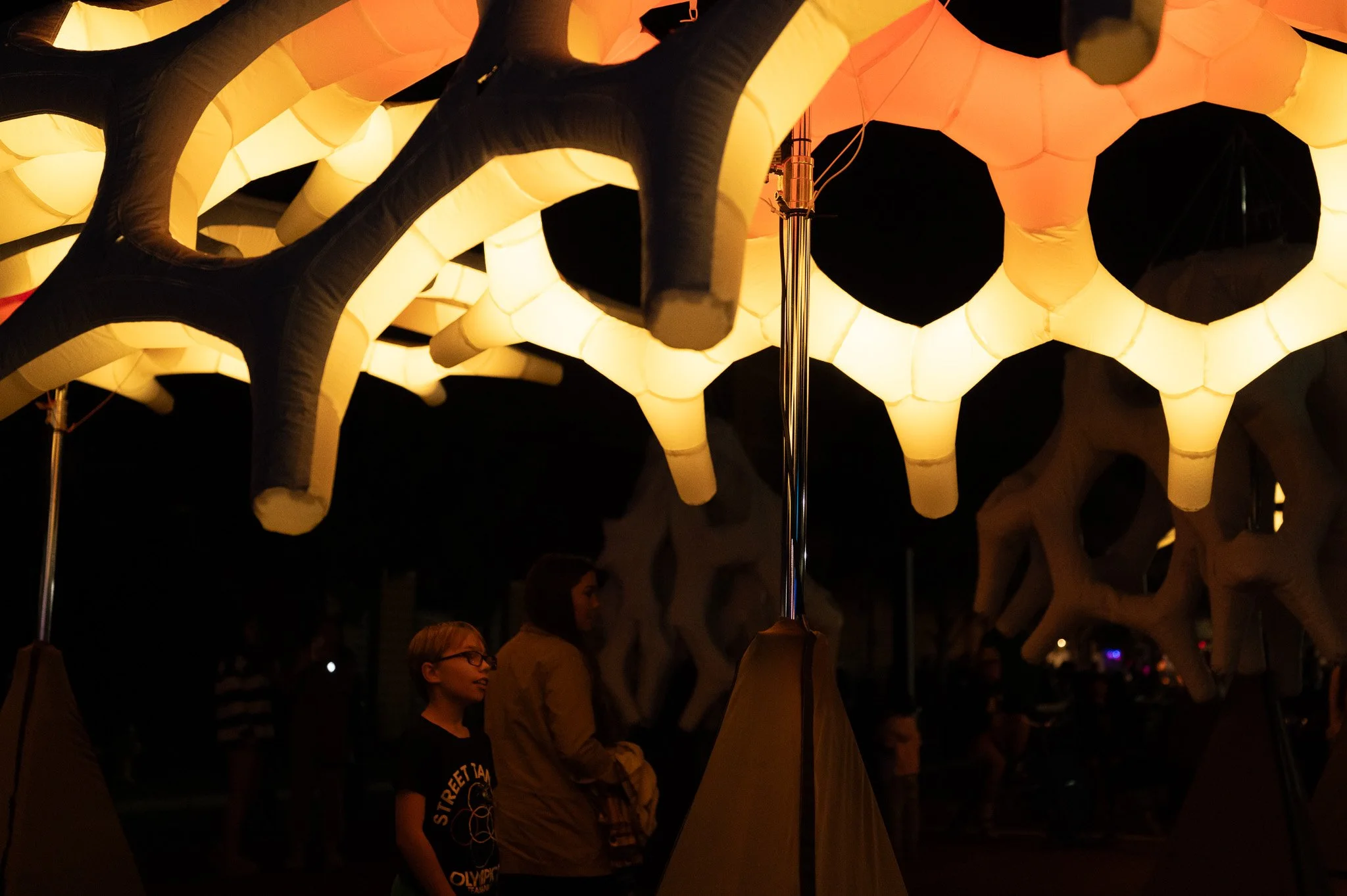
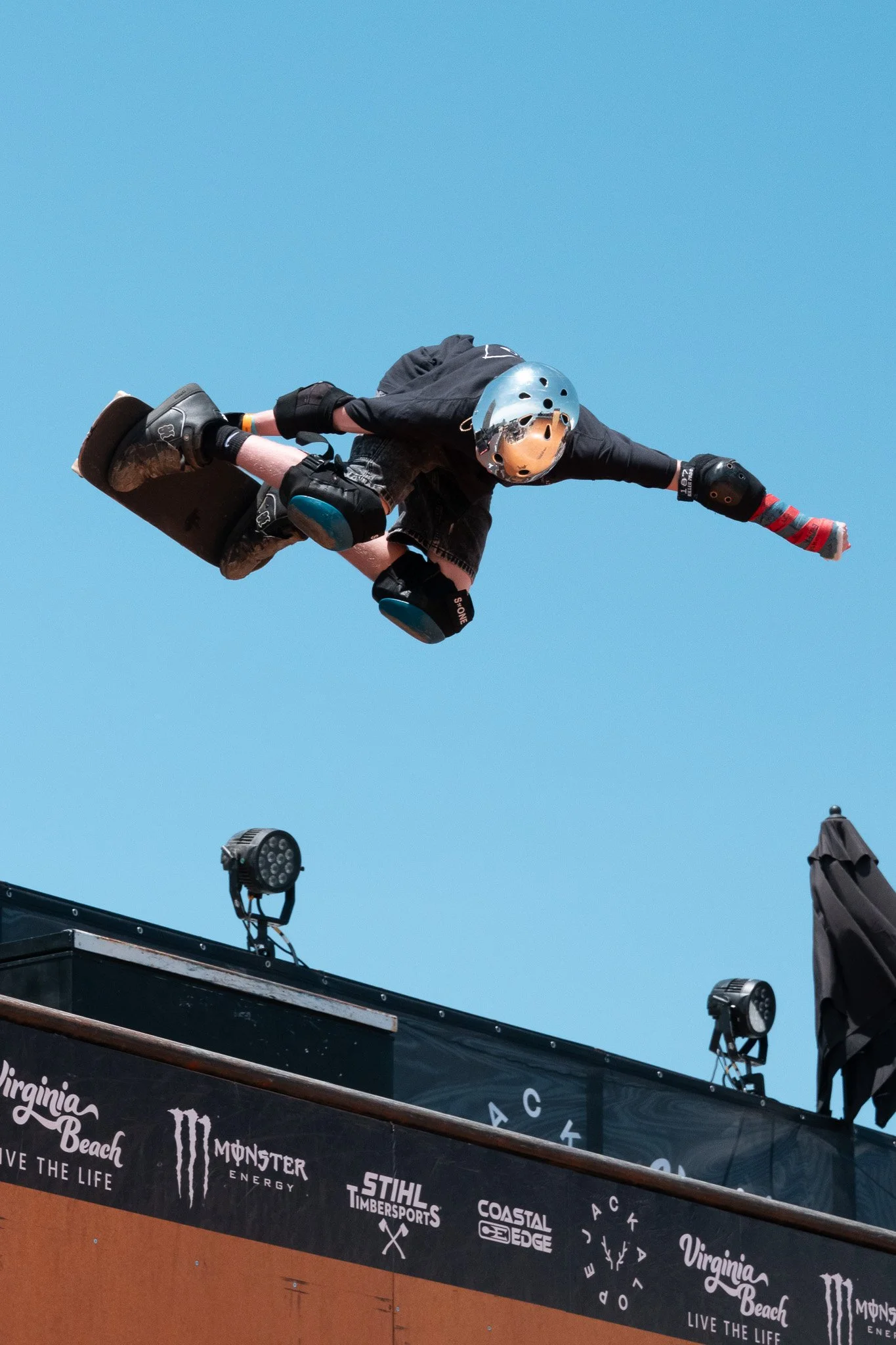
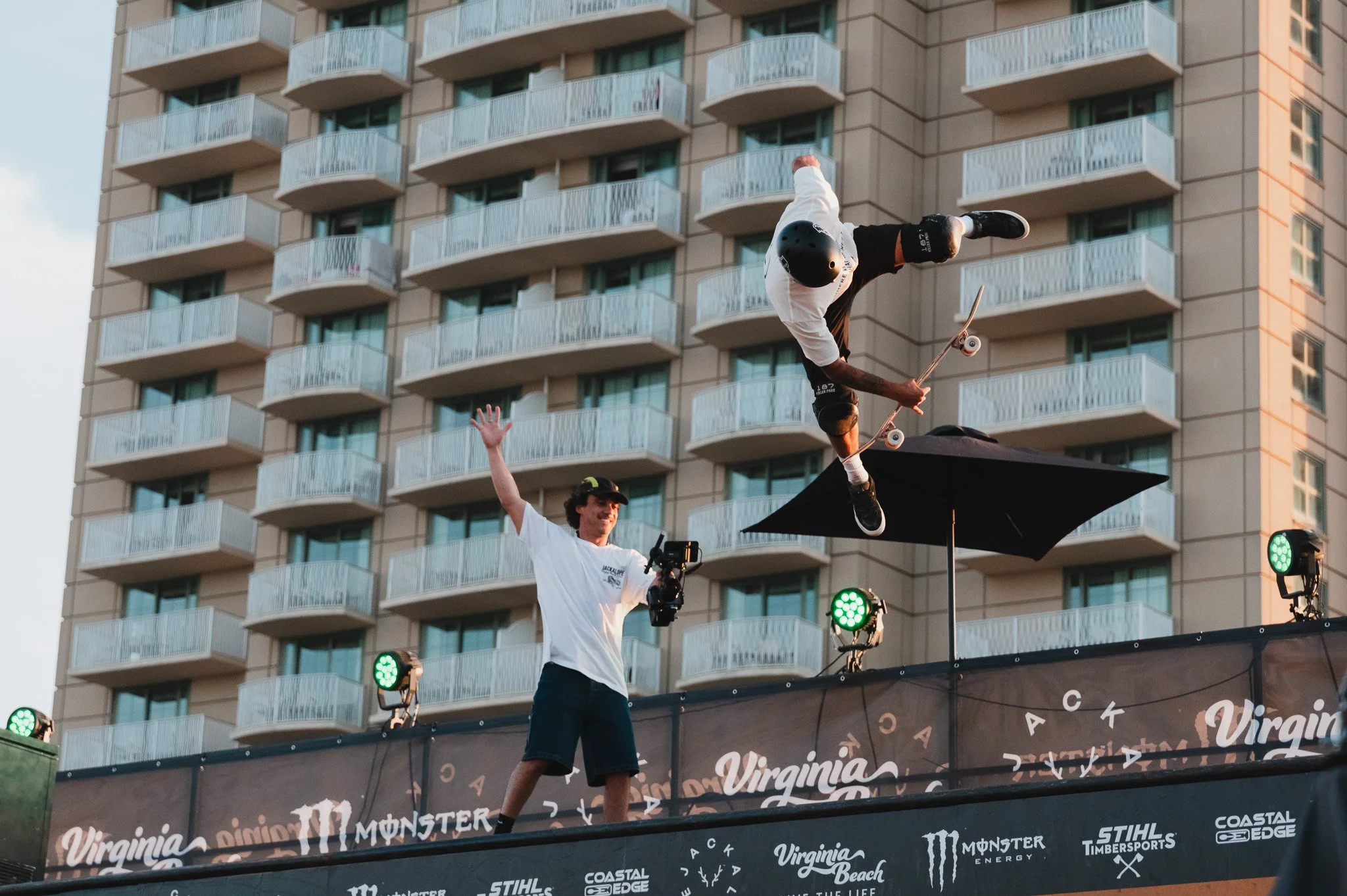
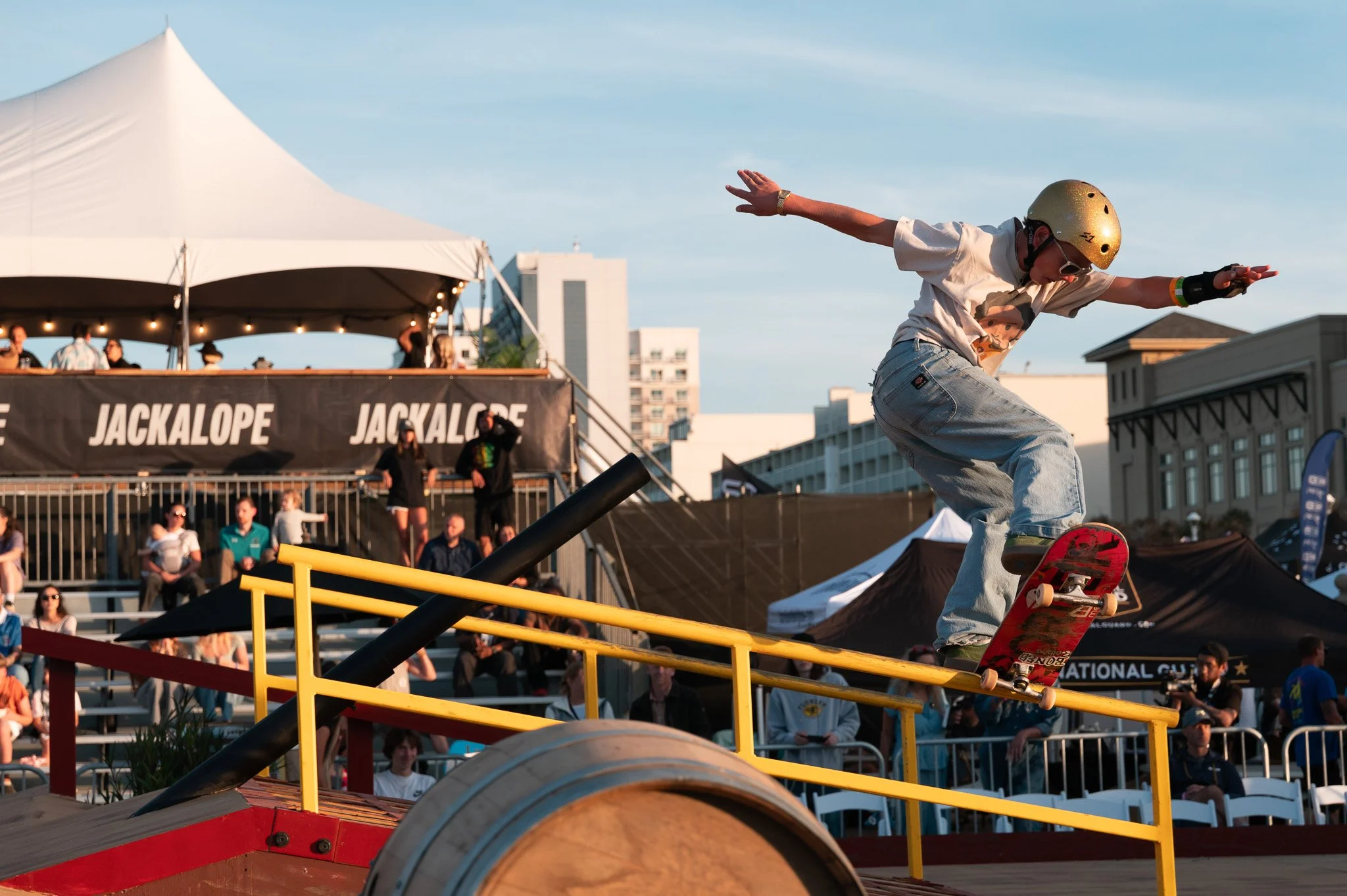
My first real test of the focus update was at the 2026 Jackalope festival. I had shot this festival for the last two years. The first in 2024 with the SL2-S, mainly using a Panasonic Lumix 28-200mm and the Sigma 100-400mm lenses, and the previous year with the SL3 and the Leica 24-90mm Vario Elmarit lens. This year was also with the SL3 and the Leica 24-90mm Vario Elmarit lens, but now with the improved autofocus. Comparing the last two years, I can confidently say that the autofocus performed better this year with the update. As skaters entered the frame from the sides, the SL3 picked them up much faster and tracked them more accurately, still not perfect, but definitely better. At times when multiple skaters were going at the same time, I found it easier to switch to manual focus and just prefocus on the spots where the skaters were performing the better tricks, and surprisingly enough, I managed to have a high success rate. Not to go on a tangent, but sometimes observation can go a long way when capturing images.
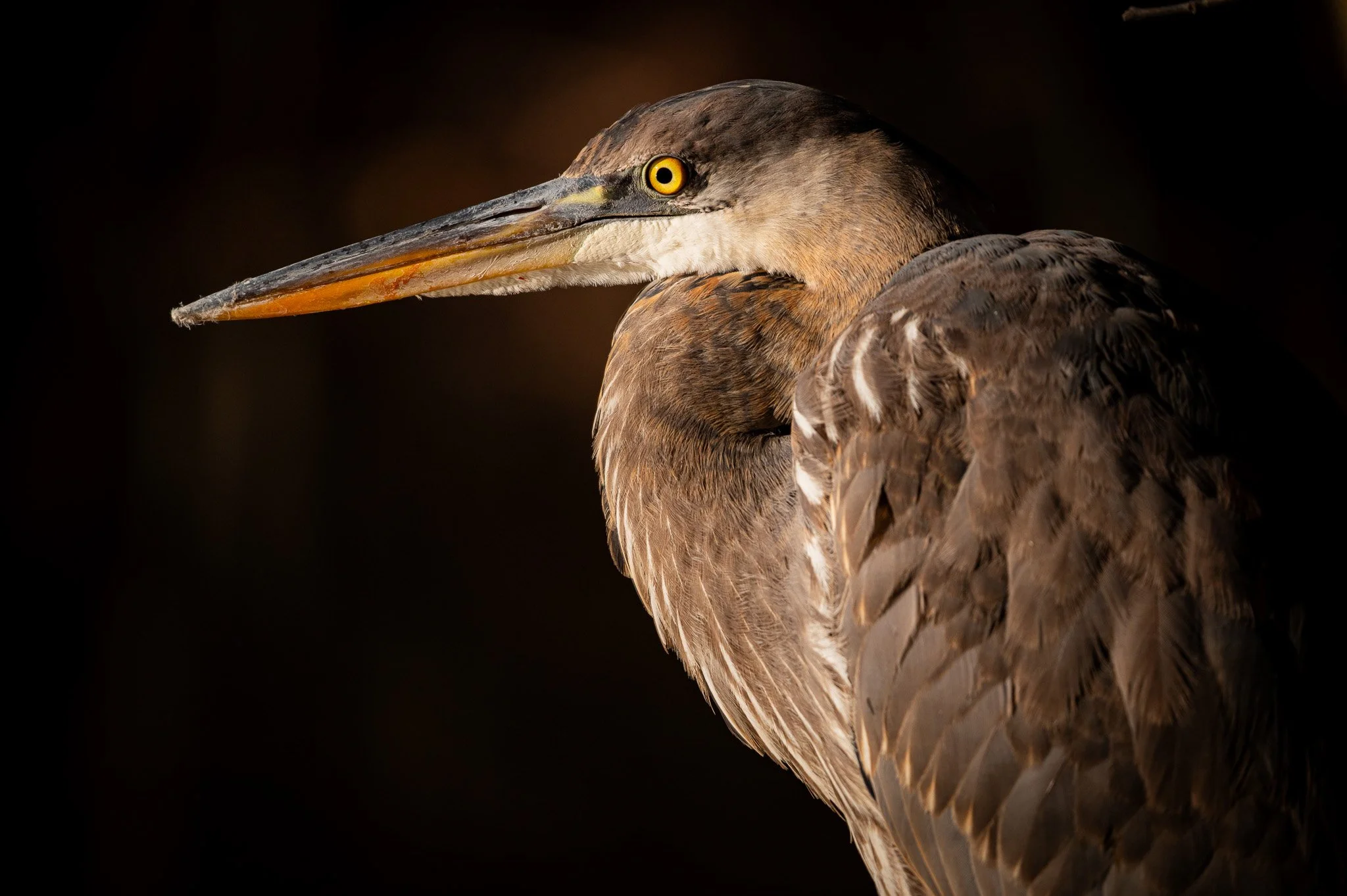
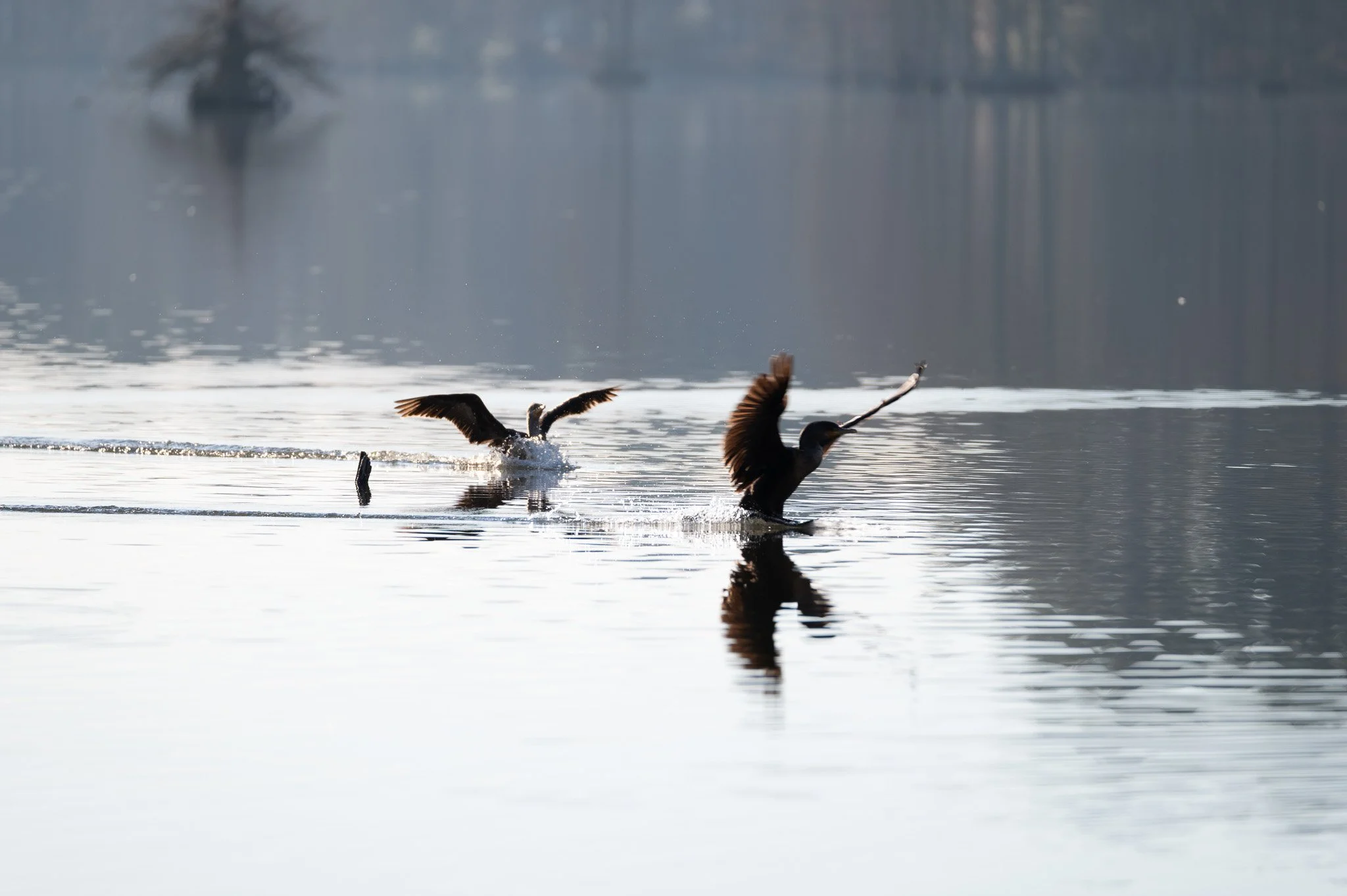
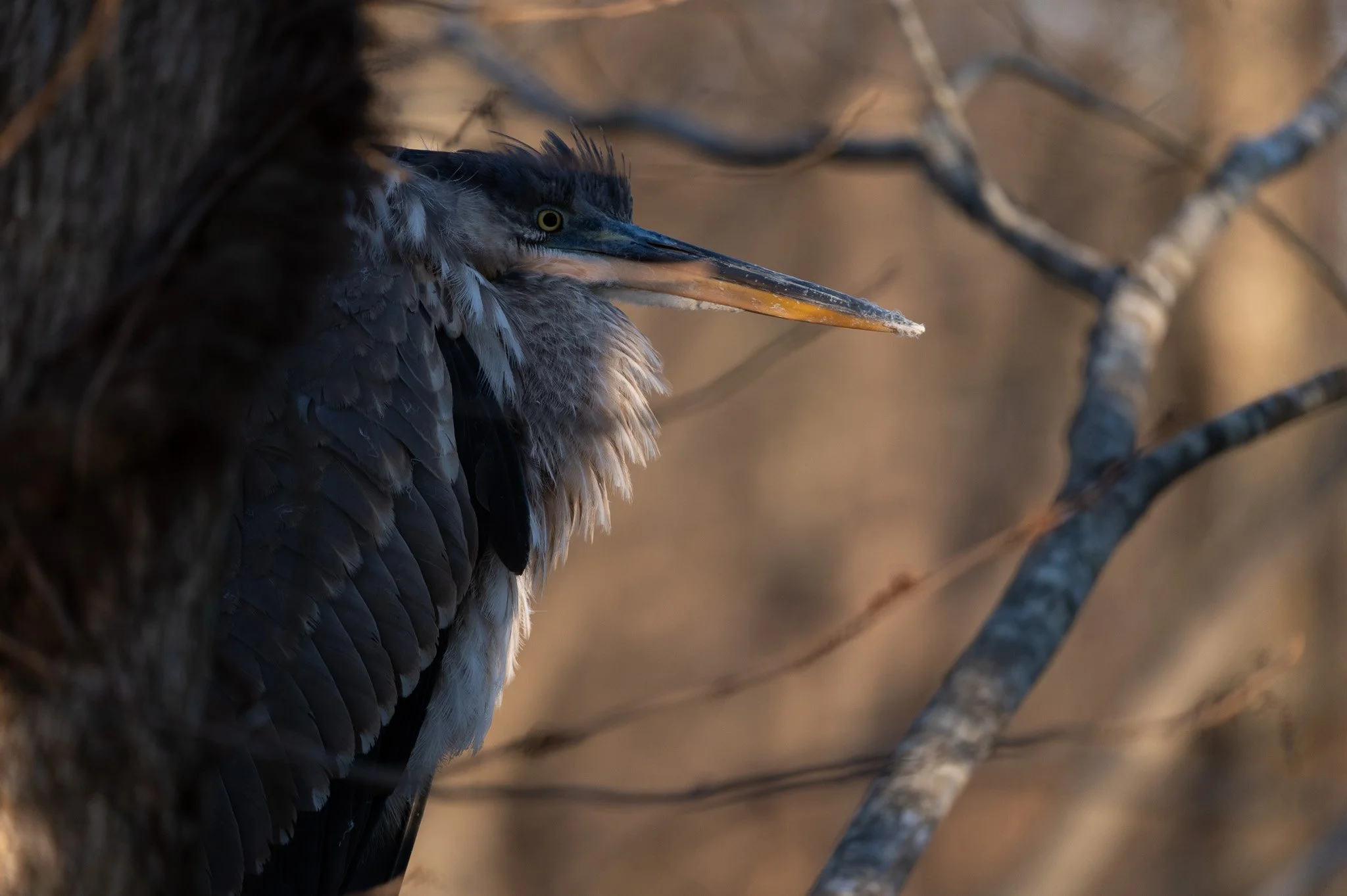
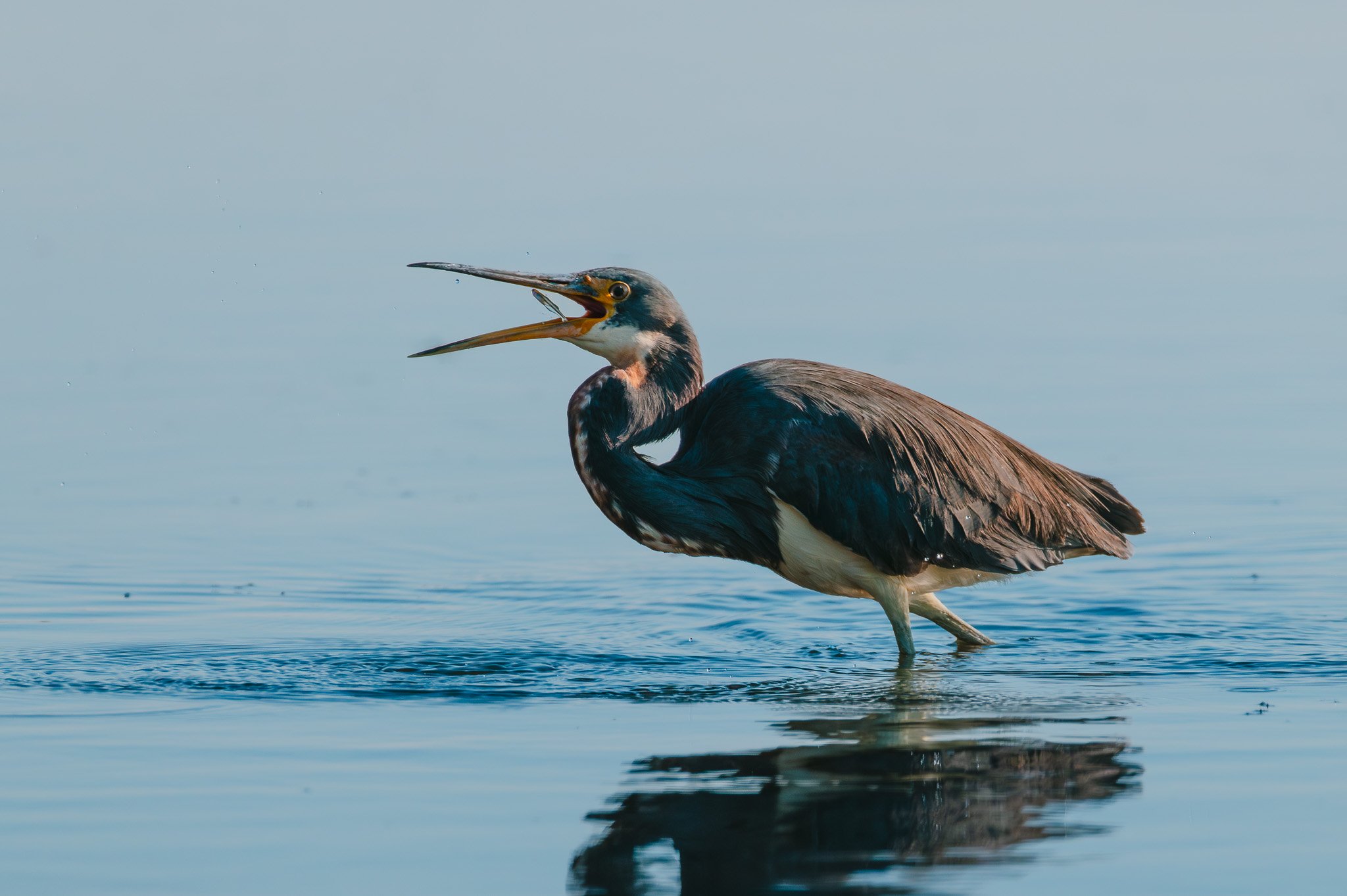
When it comes to wildlife, I have also noticed an improvement over the previous firmware version. Shortly after the 4.0 update, with my Sigma 100-400mm mounted to the SL3, I ran out to a nearby lake that frequently has herons, ducks, and other small birds to test it. This time out, I felt the SL3 identified larger birds more quickly and tracked them significantly better than before the update. Smaller birds were still a bit tricky; at times, it struggled to lock on, but once it did, it tracked them more accurately across the frame.






SL3 vs SL3-S vs SL3-P
Initially, I wasn’t going to compare the SL3 and the SL3-S, but as I was writing this, Leica just announced the SL3-P, so I felt it made sense to share my thoughts on each model. Before I begin, I want to set some expectations. I am primarily a photographer and rarely use the video features on the SL3. This affects how I see the other model, and this will be my perspective, not a thou shalt believe this one is better than the other.
I’m going to keep this simple and break these three models down like this. The SL3 is for the still photographer who wants the best image quality. The SL-3S is for videographers or the low-light photographers, while the SL3-P is the in-between of these two, the jack-of-all-trades; it’s for those who dabble in both worlds, but also has the fastest autofocus of all three.
As I was reading reviews of the SL3-P, a comment someone made stuck with me, “Better is the enemy of good enough.” As an SL3 user, it is easy to get swept up in wanting the newest model, but honestly, for me, the SL3 is good enough. Part of me really likes the idea of the SL3-P with even faster autofocus, but for what I use it for, even when shooting wildlife, the SL3 is good enough. If I were coming from an older model to an SL3 camera today, I would go with the SL3-P and get the best of both worlds, with higher resolution and the fastest autofocus in this line. But since I already own an SL3 and it has improved considerably since its first release, I don’t feel compelled to upgrade. If anything, I am more drawn to the SL3 Reporter edition.
Sigma 50mm F2 DG DN Contemporary
Conclusion
So, standing here in 2026 with three iterations of the SL3 now on the market, is the SL3 still worth your investment? My answer is an absolute yes.
Much of that comes down to Leica’s philosophy. In an industry that often relies on planned obsolescence and annual upgrades to drive sales, Leica’s commitment to firmware support is refreshing. By delivering significant performance gains to the original SL3 with the 4.0 update, they’ve proven they value the longevity of their users' gear. While it is easy to get caught up in the 'newest is best' cycle, this camera has only gotten better with age.
If you’re upgrading from an older system today, the SL3-P might be the jack-of-all-trades sweet spot. While it’s tempting to look at the new specs and think you need that upgrade, if you’re already out there getting the shots you want and autofocus isn't getting in your way, there’s no reason to rush into an upgrade. The SL3 remains a powerful, capable tool that excels at what matters most: motivating me to step out of the house and shoot.
Thanks for reading. Feel free to follow me on Instagram to see more images as I test out more gear!
I would like to avoid adding advertisements to my site. I dislike the experience of visiting a website and being bombarded with ads. To help support this, I ask that you consider using my affiliate links below when purchasing camera equipment; this will help me keep this site going.
I recommend buying used from either MPB or KEH, both of which offer great return policies.
Affiliate Links
I am not affiliated with Lensrental.com, but this is where I like to rent my equipment. If you're in the United States and considering renting cameras, lenses, or other equipment, please use the code below and give them a try. It will provide me with a small discount on future rentals, which will lead to more reviews!
https://share.lensrentals.com/x/8BG6mh
Sample Gallery