Hasselblad 907x The Camera I Want To Love
This review can be considered a short-term review, a 3-times short-term review. Meaning I have bought the Hasselblad 907x CFV II 50C three times and returned it three times, more on that later. This might imply that this review will lean towards the negatives of this camera system, but I deliberately used “want” in the title instead of “wanted.” One leans toward undecided, while the other feels more like I reached a conclusion. As with my previous reviews, I will discuss my experiences with this camera and less on technical comparisons.
Why the 907x?
The 907x is a camera I have been wanting to try for a while now; something about how different it is appeals to me. Many of the cameras today feel too similar to each other, and I get that when you need to appeal to the mass market, you need to please as many as possible. The 907x takes you out of that comfort zone and forces you to shoot in an entirely different way.
As my kit currently stands, I shoot with a Leica SL3, M11, and Q2; they all offer different experiences but also overlap in many ways. Months ago, I started to internally debate on selling a camera and maybe a lens or two to fund getting a 907x CFV II 50C. In this review, I am going to focus more on it from the standpoint of owning one, not necessarily as a primary camera, but more as a secondary camera.
Let’s start with why I am reviewing the Hasselblad 907x 50c in 2026, not the newer 907x 100c. Simply put, the cost is why. The 100c offers more features, more megapixels for insane cropping power, better autofocus, and 1TB of internal storage, to name a few. Then comes the cost of the lenses, from what I have read, with the 100c, to make the most of the higher megapixels, you want to get their newest V series lenses, and these lenses are not cheap. With a used 50c, you still get a cheaper entry into the Hasselblad medium-format system. With a good number of megapixels, two memory card slots, and access to some less expensive lenses.
The Lens Makes a Difference
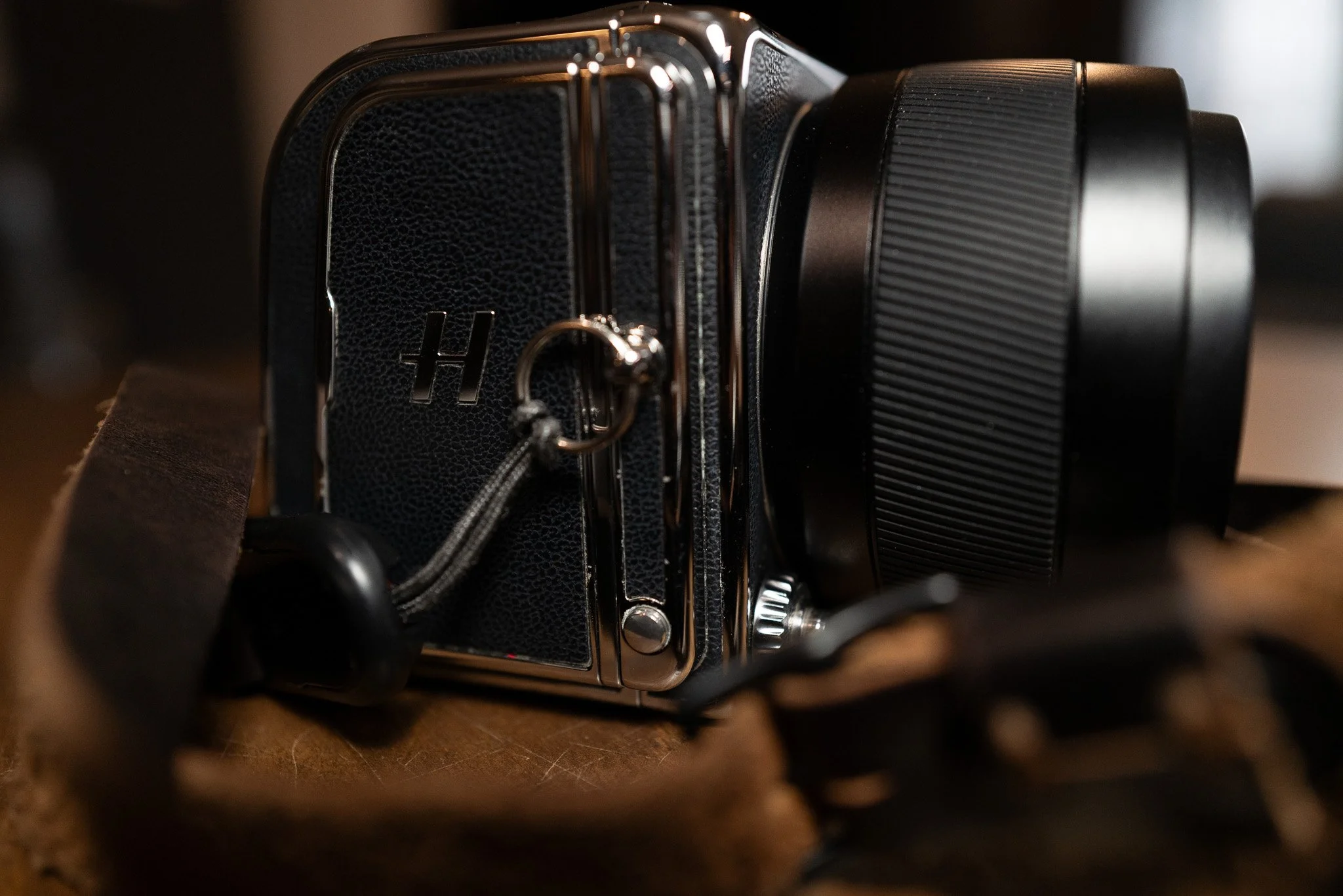
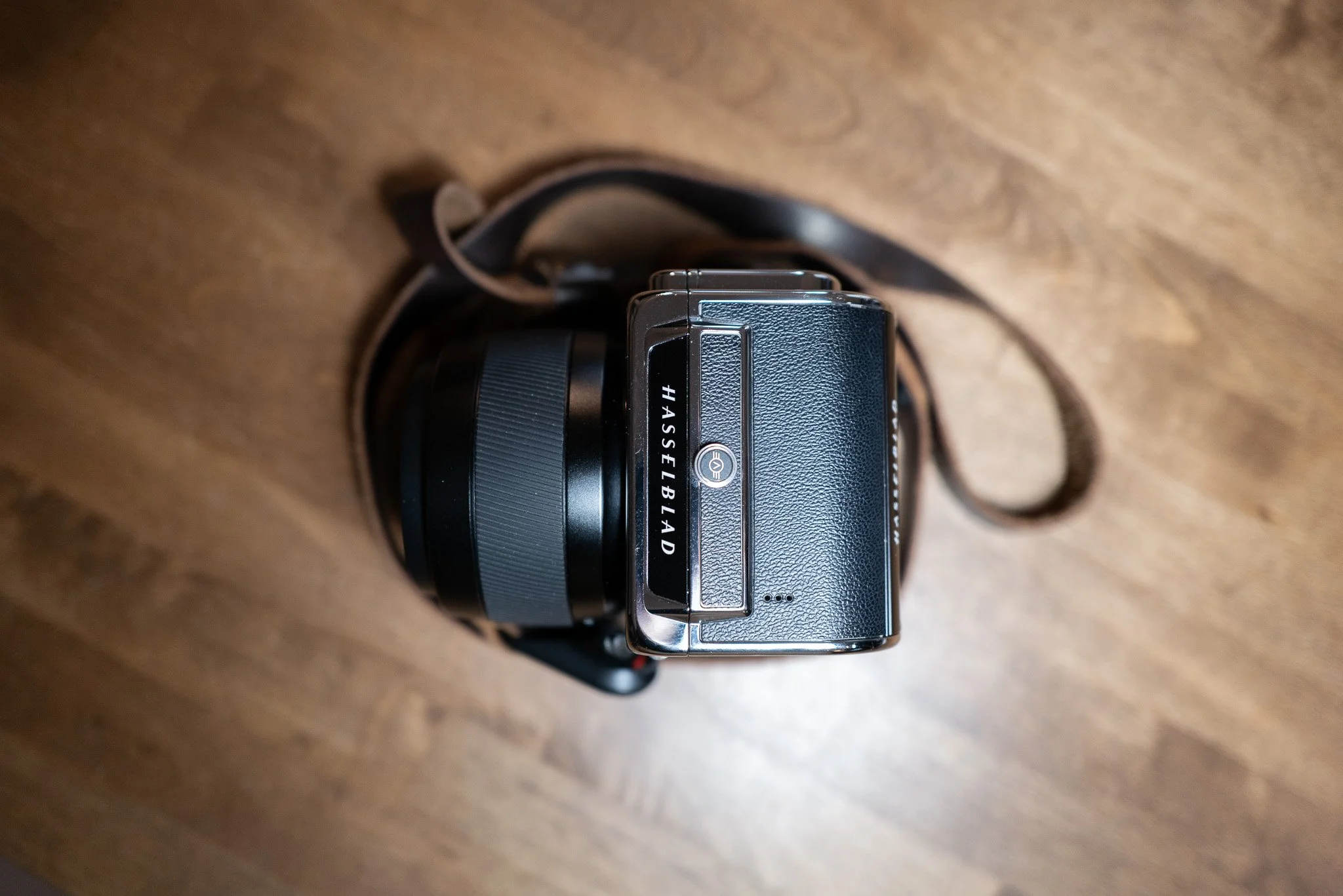
The first time I purchased the Hasselblad 907x 50c, I used the XCD 65mm f/2.8 lens; for the second and third times, I tried the XCD 45p f/4 lens. These lenses made a significant difference in the shooting experience. Before going into the differences between the lenses, let’s discuss the similarities. Both lenses feel solid and have a decent amount of weight, but not a deal-breaker. With both lenses, the autofocus is slooooow, don’t plan on taking pictures of a moving subject unless you plan to switch to manual focus instead, even then, it’s still a challenging experience. When it comes to image quality, both lenses are reasonably sharp. I do feel like the XCD 65mm renders a bit nicer image, but I say that as a feeling and not a fact.
Initially, I went with the 65mm because it was close to the 50mm focal length that I am most comfortable with, and the faster aperture for a bit better low-light capabilities. The one thing I wasn’t in love with was the weight and length of the lens when mounted. I wouldn’t say it was unbearable or that using it made it a bad experience, but switching over to the XCD 45p did make for a more enjoyable walking-around experience. The XCD 45 mm is a lighter “pancake” lens that allows you to use a much smaller bag or to hold the camera in your hand more comfortably while walking around. I also felt like the XCD 45p is slightly faster with its autofocus and quieter, but I haven’t compared them side by side.
Overall, I do feel like the differences between the two are splitting hairs. If you have a preferred focal length, use that as the deciding factor when choosing a lens. Regardless, between the two, I think they are good enough that I don’t feel like I am missing out on the newer Hasselblad V-series lenses. But I am saying that without trying any of them, so take that as you will.

So why did I buy this camera three times?
The first time I got this camera was during a KEH sale that offered an extra 10% off the camera and the XCD 65mm lens. The camera was rated as “excellent” but had a small crack in the screen in one corner, small enough that I almost missed it. Then, in one spot, it had a couple of gashes in the silver trim, which concerned me that the camera might have been dropped. KEH has a great return policy, so I decided to hold on to it for a week to test it out before sending it back and see what I thought. In short, my initial impressions were positive, the images looked great, and it was fun to use, but the autofocus left a lot to be desired. When it was time to send it back, KEH didn’t have one to exchange it with, so I was left undecided on the 907x system.
Déjà vu?
A couple of months passed, and I was really itching to try the 907x again. I read up on and was curious about adapting some of my Leica lenses to it. KEH had one available at a reasonable price, and I had a 5% off coupon, so why not? I ordered it this time with the XCD 45p, which was cheaper than the XCD 65mm, so it’s a win, right? When it arrived, I opened the box only to discover… it was the exact same unit I had returned!
It wasn’t lost on me that someone else bought it and returned it as well. So, I decided to start the return process immediately. The camera arrived late Friday, so no point in immediately boxing it back up. I figured I may as well use it for the weekend and see where I stand with the 907x system.
Upon attaching the XCD 45 mm lens, I noticed how much of a difference the smaller lens made in the camera. I could see myself comfortably carrying this camera around more than with the XCD 65mm. Unfortunately, the weekend was a bit busier than I anticipated, so I didn’t get to test it out as much as I would have liked. I played with it around the house, and with a cheap Amazon adapter, I got to test out some Leica lenses on it.
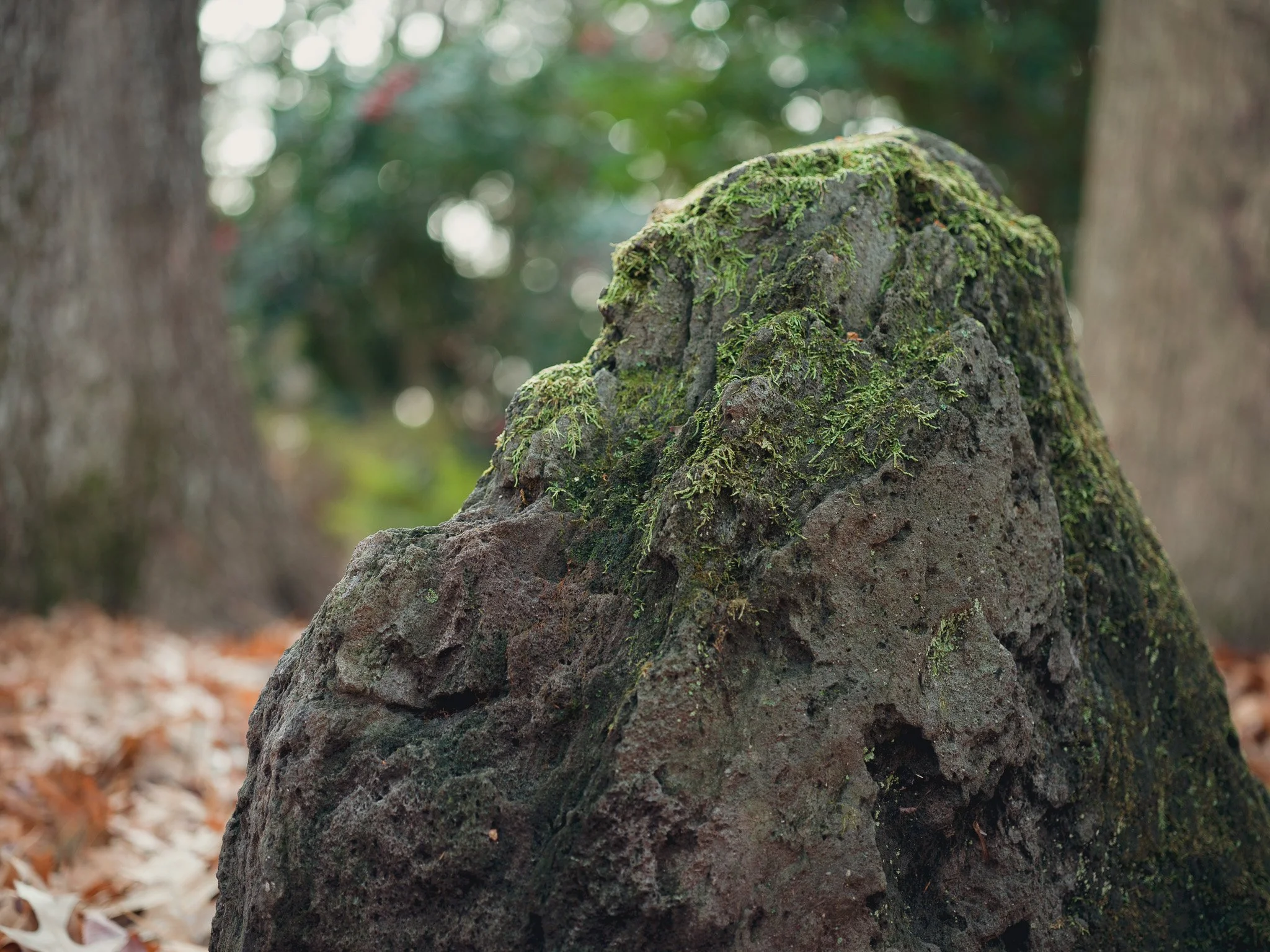
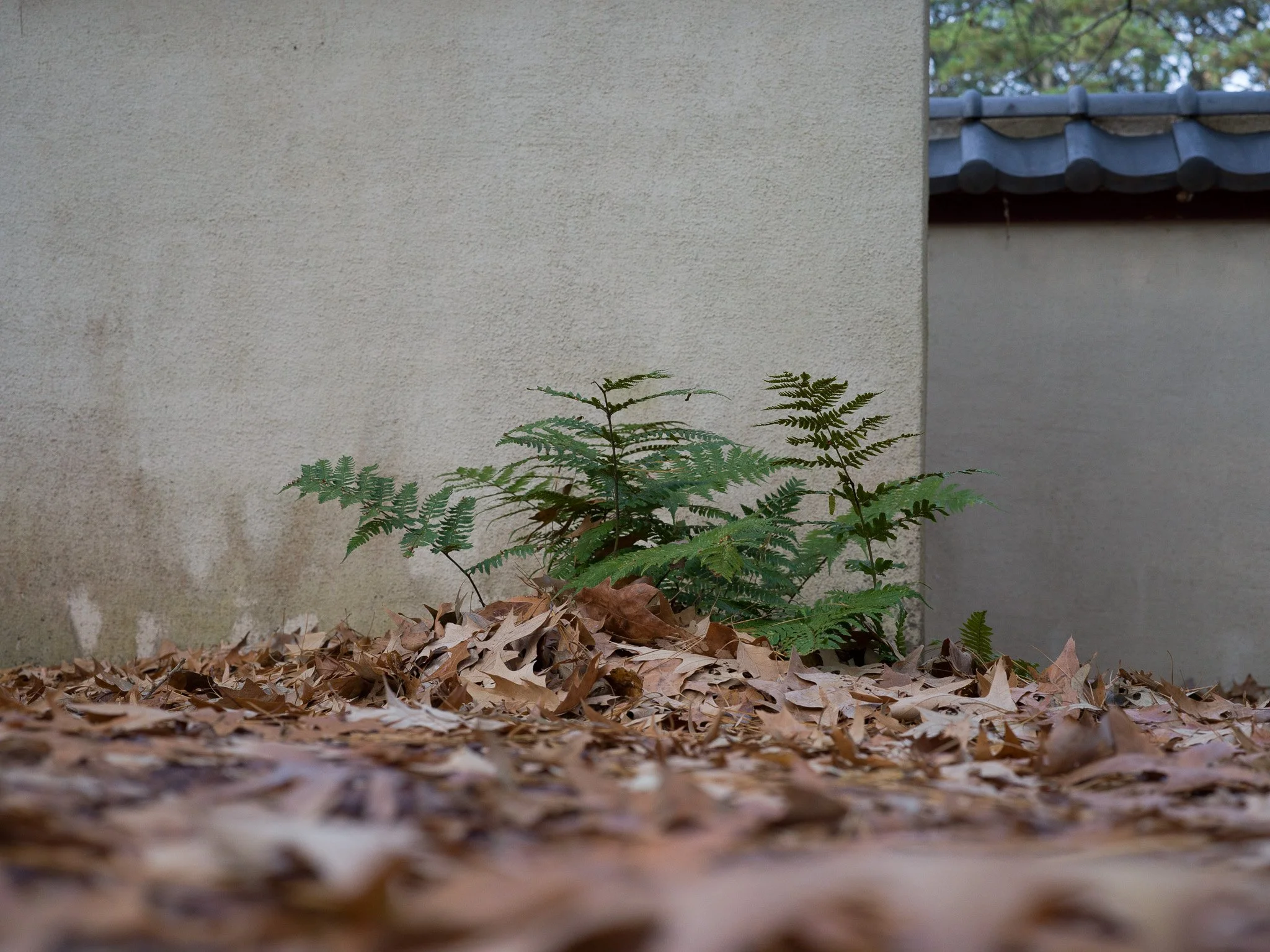
The weekend weather was frigid, but I took it out for a three-mile hike at a local state park. The smaller size of the XCD 45p was great; I could easily walk around with it around my neck while keeping my hands in my pockets. It was overcast, which meant the lighting conditions were consistent, so I didn’t have to change the settings often, and shooting with gloves on was easy. Had I needed to use the screen or the small knob on the camera to change my settings, the experience, I suspect, would have been more of a nuisance.
To adjust the aperture, you turn a small ring around the shutter button, which has little notches for grip, but you need to use two fingers to turn it reliably. Often, my finger would just slip. There is another button nearby that can be pressed to change the ring's function, but it can be awkward to use. I like the minimal aspects of the 907x, but maybe it is just a tad bit too minimal to change the settings on the go. I do wish that in a future version of the 907x, Hasselblad could find a good balance between physical buttons and the minimal aesthetic.
Unfortunately, I only got a handful of decent images on this walk; the previous night, I had tested the camera with my M-mount lenses. For those that are not aware, Hasselblad’s do not have a shutter in the camera itself, but instead in the lenses. Meaning when adapting non-Hasselblad lenses, you have to switch to an electronic shutter. Electronic shutters have a slower readout speed; they start at one end of the sensor and move to the other, capturing the image line by line. Any motion, such as hand movement, will create a rolling-shutter effect, making the image or subject appear wavy. I had not double-checked my settings before starting this walk.
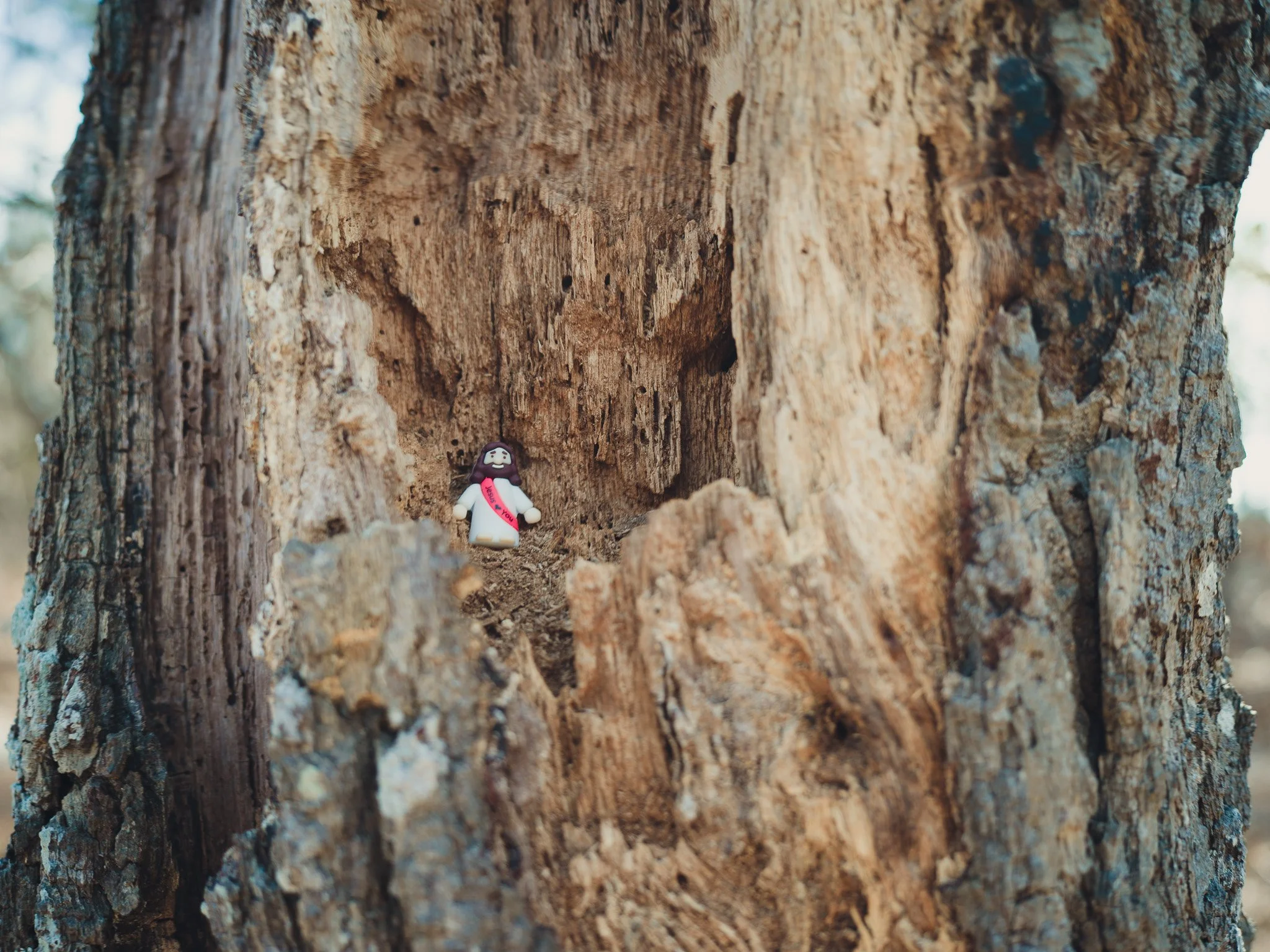
I forgot turn off the electronic shutter, minor distortions at the top and bottom of the image as a result.
Third Times a Charm?
The third time purchasing this camera was only a few weeks later, this time from MPB. They had a lower price, but the camera was rated as “Good,” and I knew this time I couldn’t possibly get the same one as before. Since they take images of every product, and it looked good to me, temptation won out. Happy with the XCD 45p from the previous purchase, I decided to get one from them as well. Aside from some paint wear on the buttons and the sensor needing some cleaning, this one looked great.
Hasselblad 907x vs ???
This part of the review somewhat becomes a Leica Q2 vs Hasselblad 907x. This third time purchasing and using the 907x is where I really started to question if it was a keeper. If I were going to keep this camera, something else would have to go. The SL3 offers too much versatility; if I could only have one camera, it would be it. The M11, I just enjoy using it; it’s small, light, and challenges me. The Q2 I love, it’s an amazing combination of both systems, but it still stands out on its own. Of the three, I could consider letting it go more than the other two. So how do they compare?

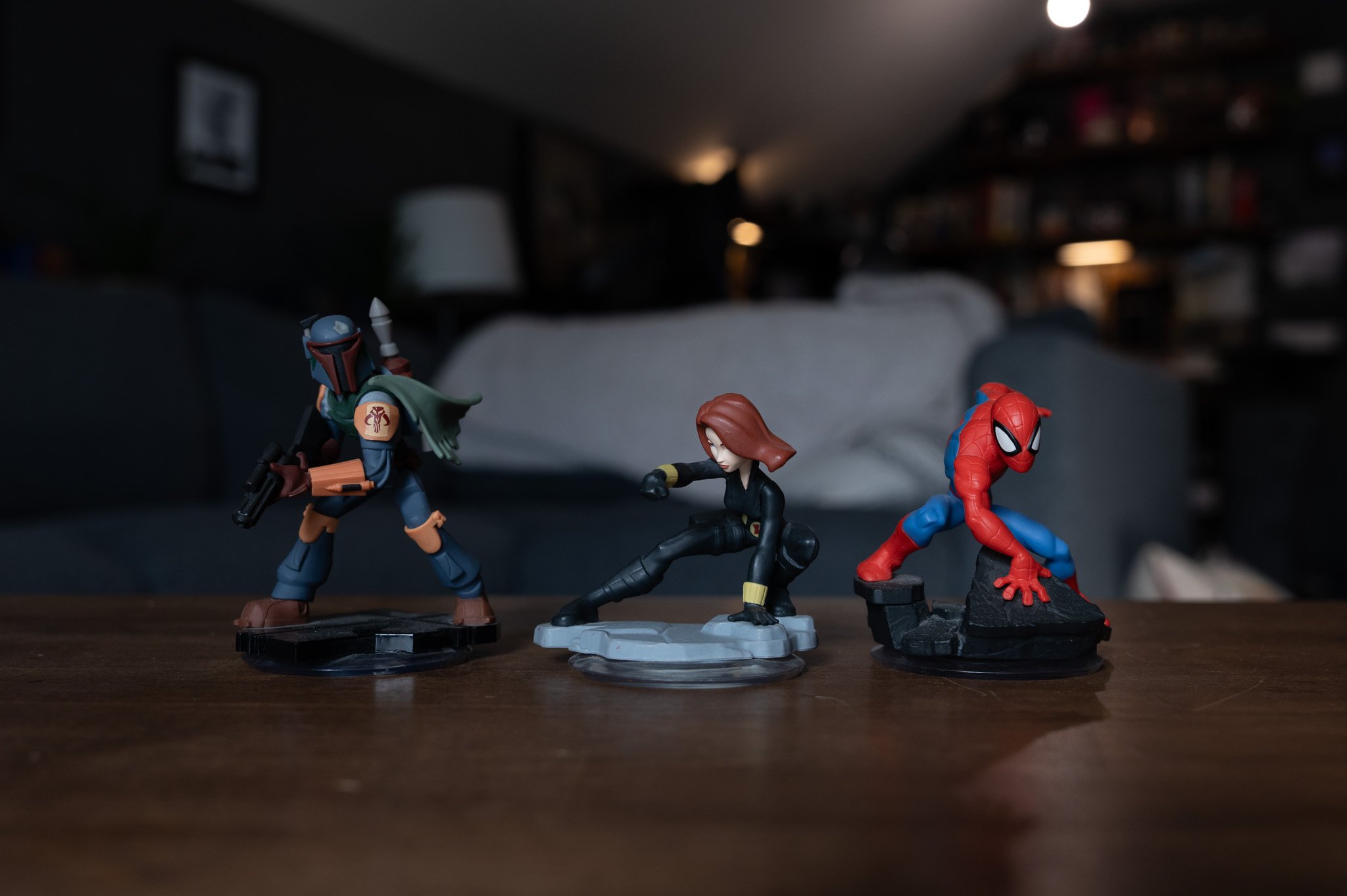
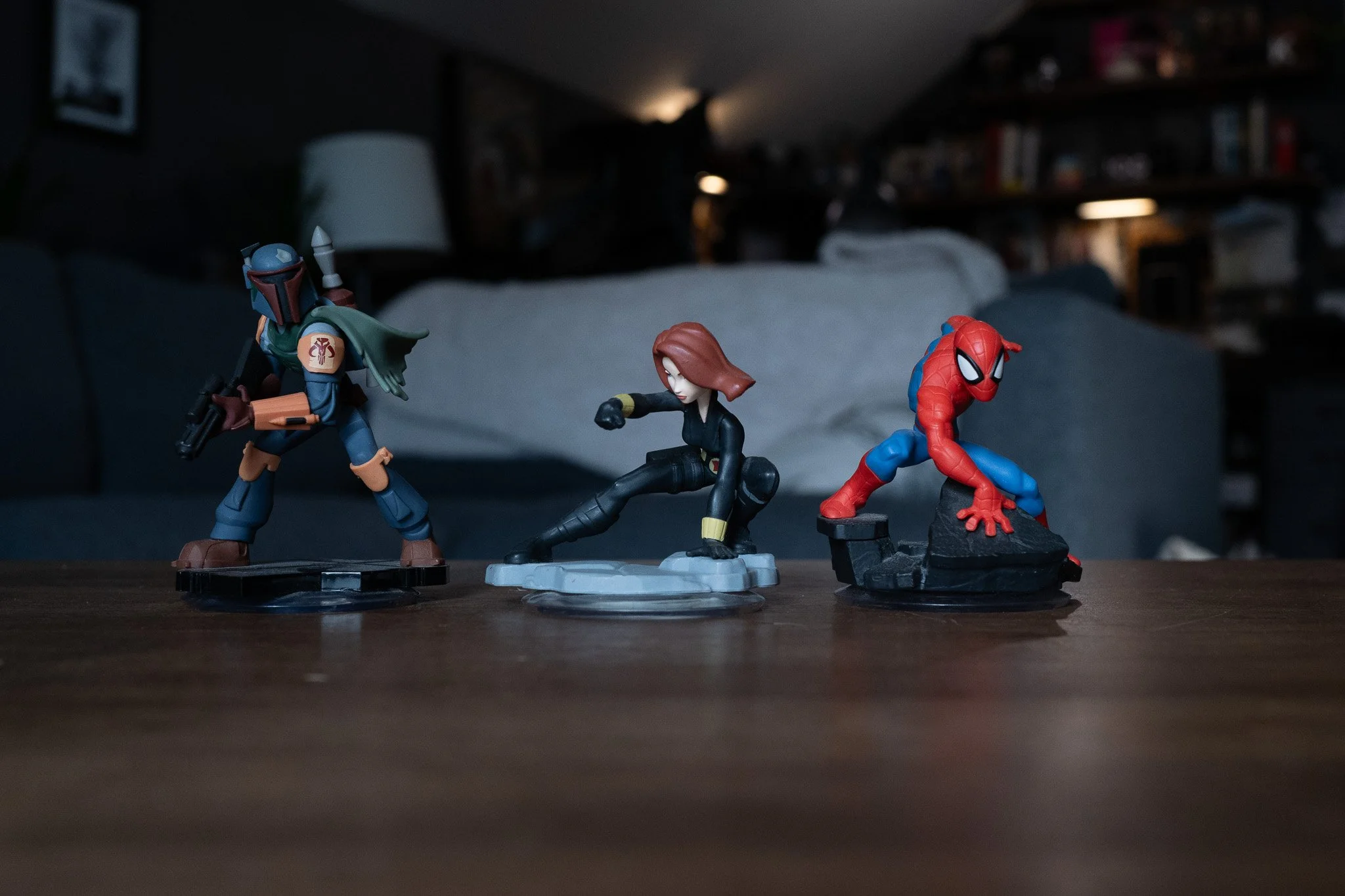
A quick comparison of the two, with the Hasselblad 907x, I am getting a 50MP medium-format camera that I can change lenses on, and it offers a completely different way of shooting than the Q2. The Q2 is quick to shoot, has an excellent lens that renders stunning images, and offers macro capabilities. But it is not really the cameras' specs I was trying to compare, but the experience of using them. Image quality will be great on both, while the experience will be very different.
This time with the 907x, I had it more in mind to compare the shooting experience with it and the Q2. My first photo walk along the oceanfront, where I live, was good. I could comfortably hold it or wear the camera on a strap around my neck and walk around, though I would say the Q2 is a bit more comfortable and easier to carry, and I could ignore the weight. The flip screen makes it easier and more inviting for me to experiment with different angles more quickly. But does it justify letting go of the Q2?
The next outing with the camera was on a hike with the family, with plans to meet up with some friends later. Again, the 907x was enjoyable to use on landscape shots; I felt more compelled to try shooting the scenes from different angles and heights. But this time I had kids, and the day was sunnier, so the lighting conditions changed quite a bit depending on where we were walking. Suddenly, the 907x wasn’t as fun…
The autofocus couldn’t keep up with my kids as they slowly walked across a fallen tree, so switching to manual was necessary. Then came the lighting conditions. To avoid having to change settings too often, I shot on auto ISO and left the shutter on Auto as well. The aperture didn’t need to be changed that much, unless I wanted to isolate objects, so I left that on manual. This is where I felt the camera didn’t do such a great job: it would push the shutter speed to 2000 while blasting the ISO to compensate, introducing more noise than necessary. Then, on the flip side, when I tried to get images of my kids, the camera would lower the shutter so much that the shutter was too low for hand-holding. I played around with the metering settings, but never landed on anything that seemed to work better.
Because of these hindrances, when it came time to meet up with the friends, we were indoors and at a restaurant, and I never really felt compelled to bring out the 907x. When it comes to the Q2, I feel like if I had it on my own, I would have felt more inclined to take quick snaps with it.
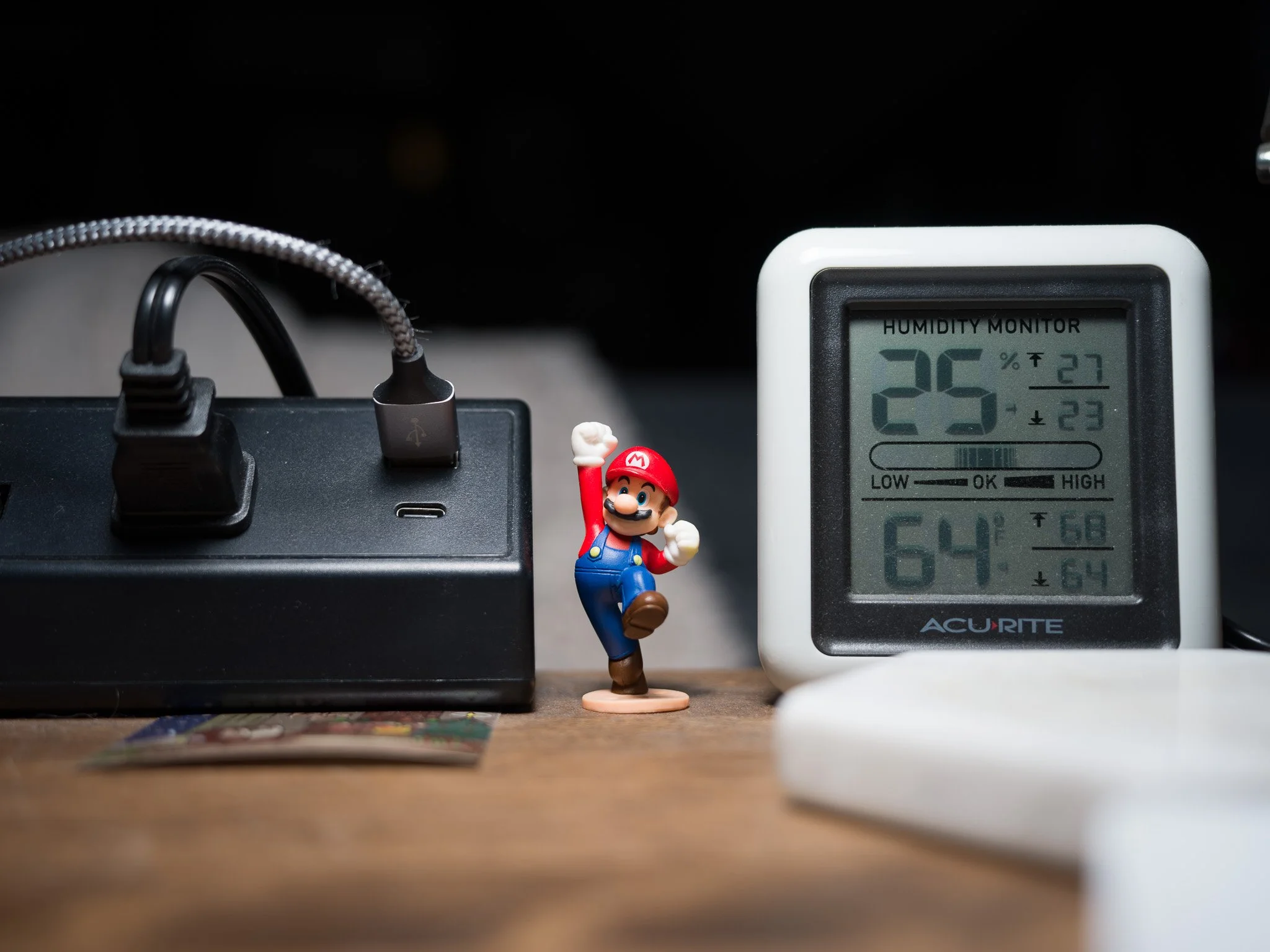
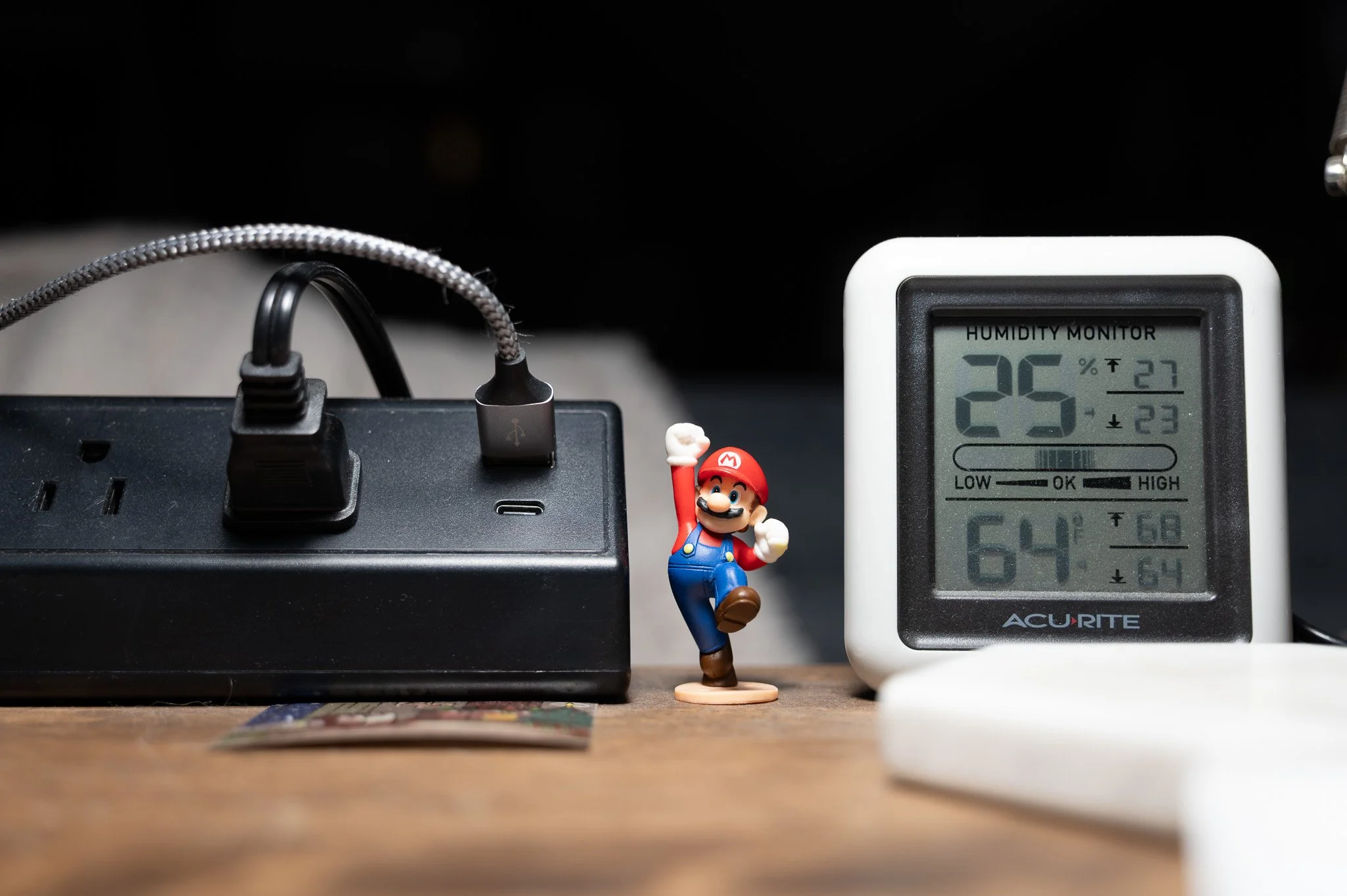
To be fair, my experience with the camera is limited, and I am still in the learning phase. Getting this camera, I already knew that it was not ideal for taking pictures of the family while on a walk with mixed lighting conditions. So, my expectations should be adjusted. Based on my experience with the Q2, I know that this is something it would have excelled at, but so would the SL3 and M11. So, do I keep the Q2, or just use the Hasselblad for landscape and carry a second camera for more spontaneous moments with the family?
My final photo walk with this camera was with a street photography meetup with a group of photographers. I wanted to see how well the camera could keep up and whether it was a viable option. As we walked, I felt more compelled to hold the camera in my hand rather than let it hang around my neck. With the XCD 45 mm lens mounted and on a neck strap, the lens naturally points upward when hanging. With a lens cap on, this is not really an issue for me, but without it, removing the cap takes more time when I want to take a shot. If I had a filter on the lens, this might not be as much of a concern, but at the same time, I am sure I would spend some time removing dust in Lightroom.
After a while, I did find that my wrist became more stressed, and holding it in my hand became a problem. Now, many people will say this camera is better suited for a tripod than for holding it in your hands. I wouldn’t disagree, but that doesn’t mean you can’t use it this way either.
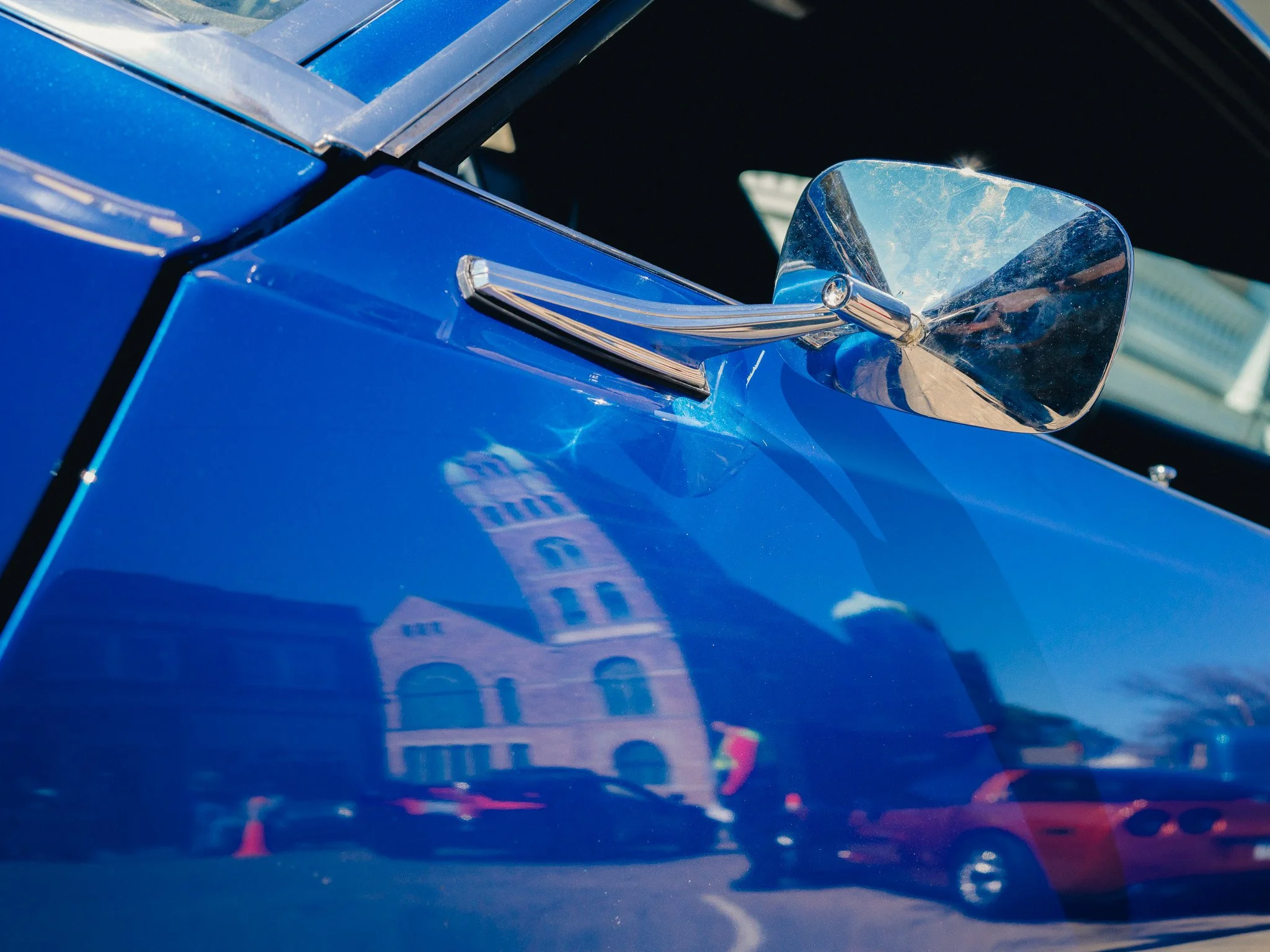
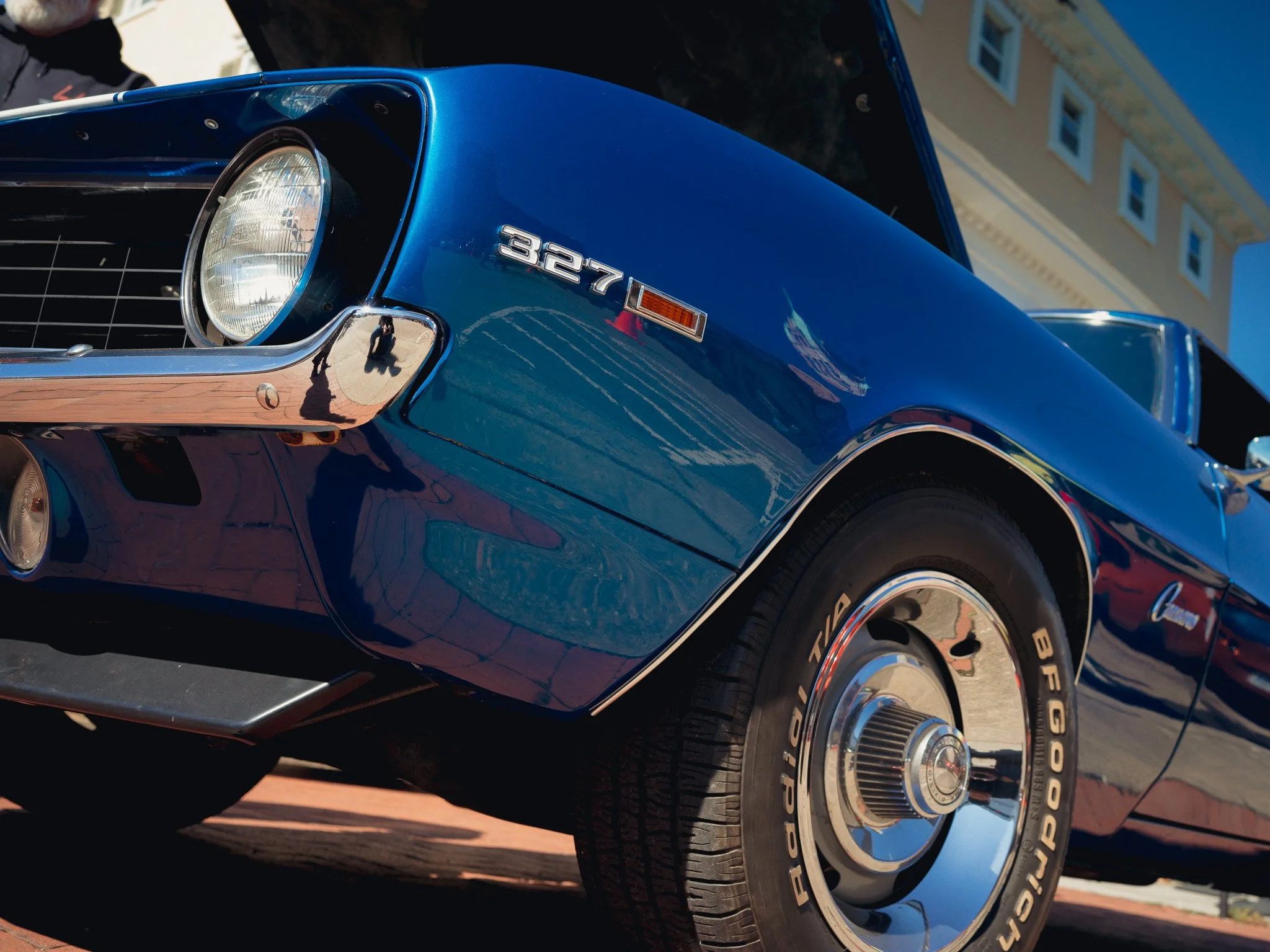
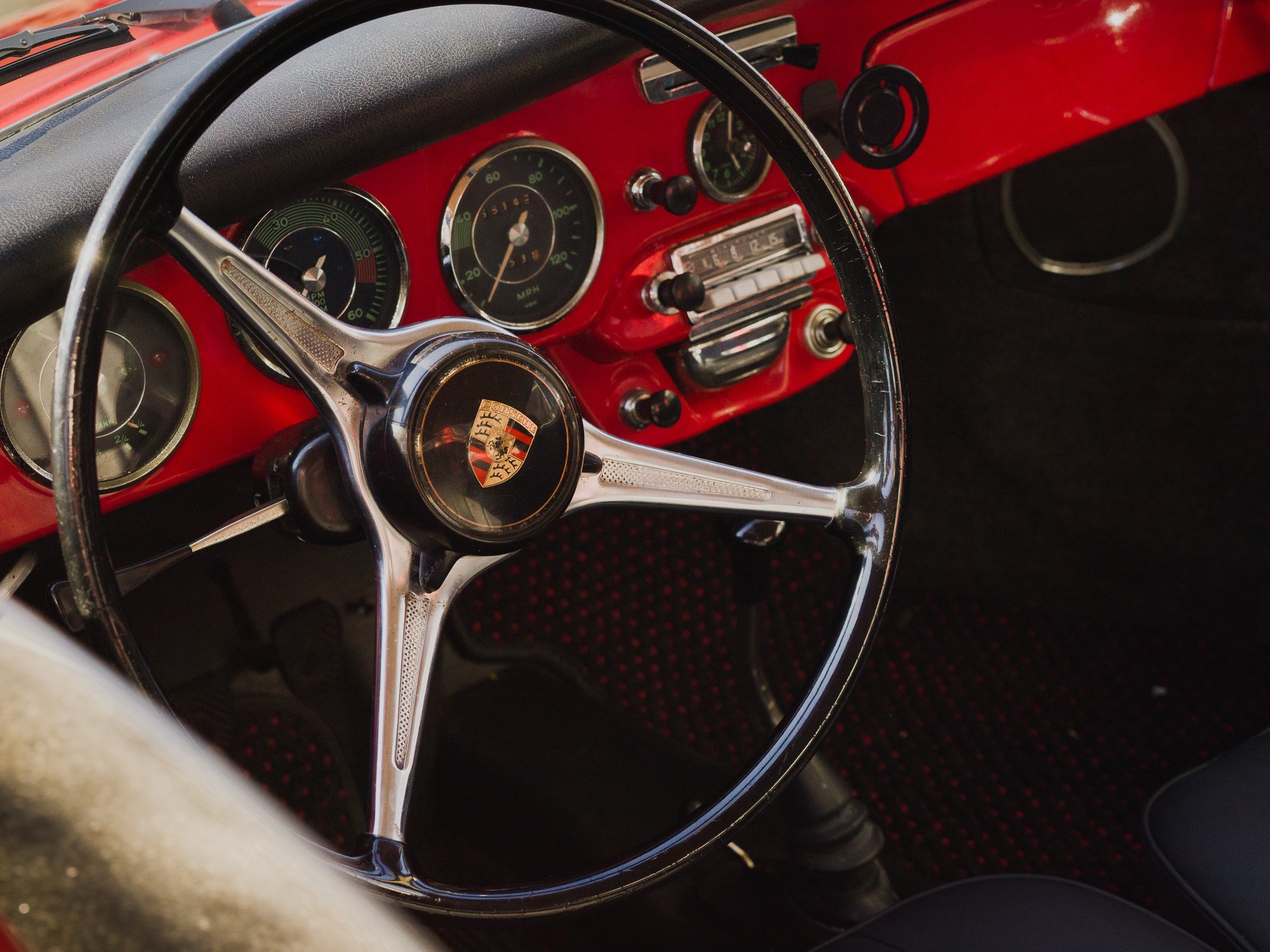
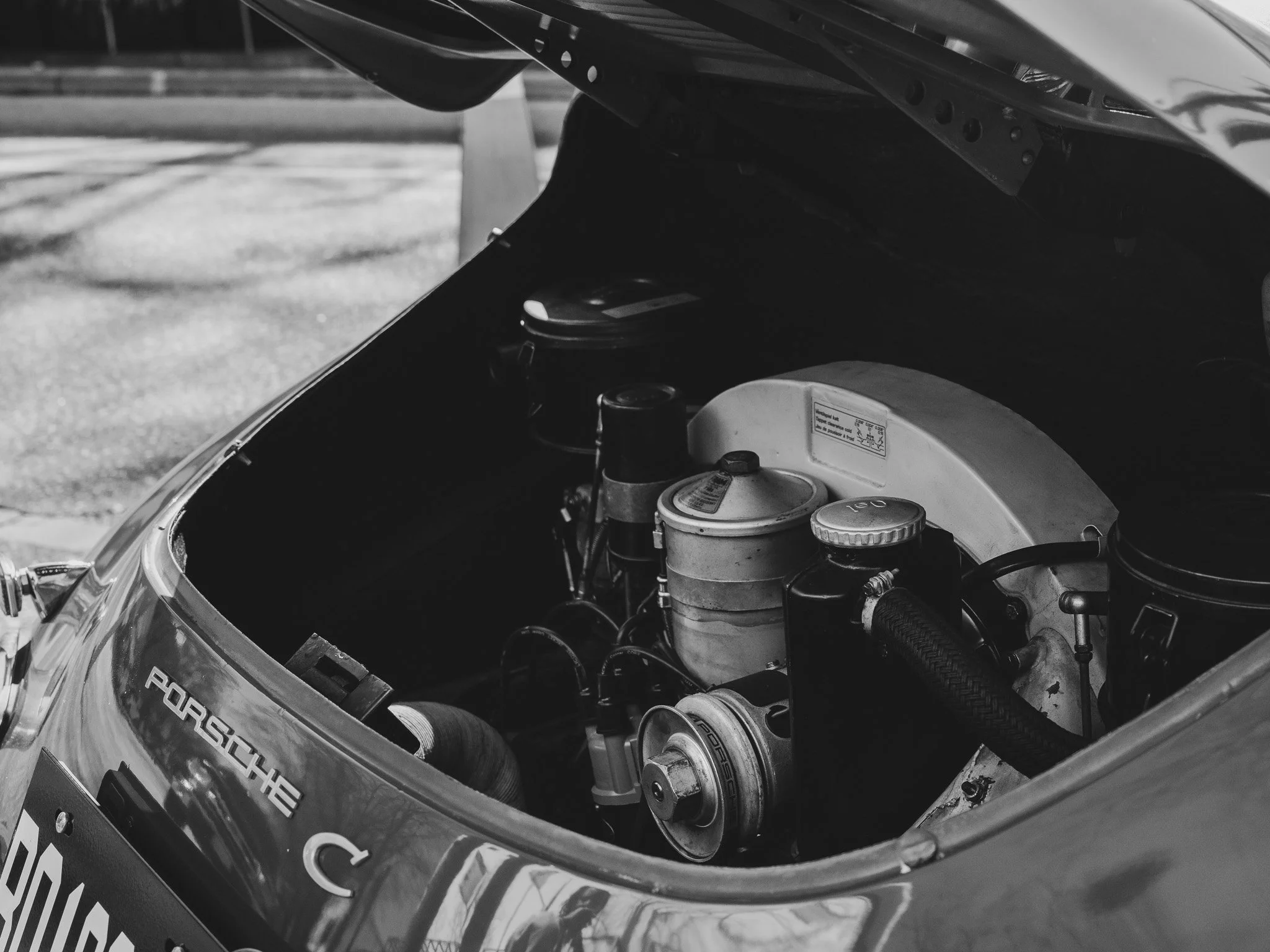
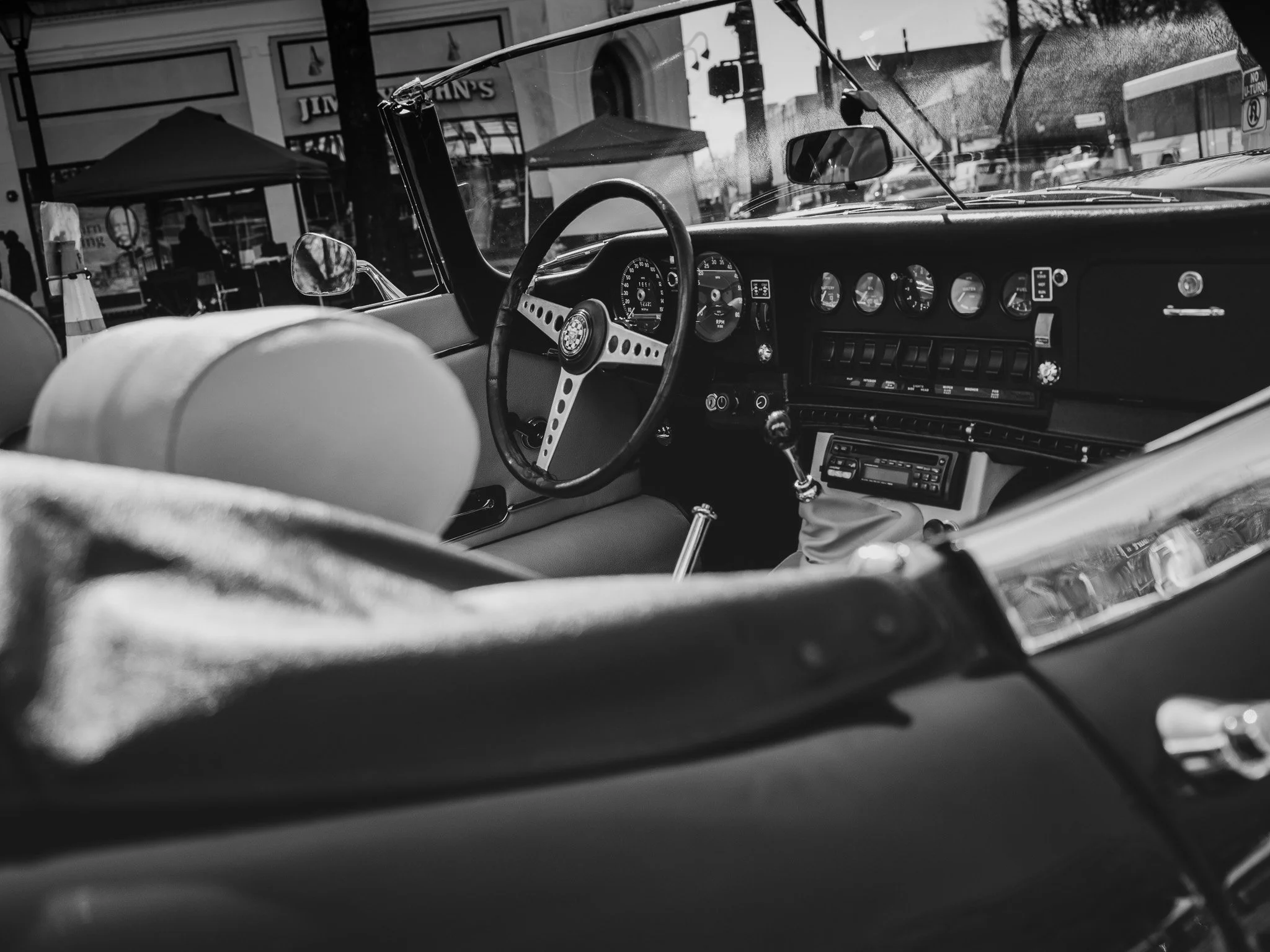
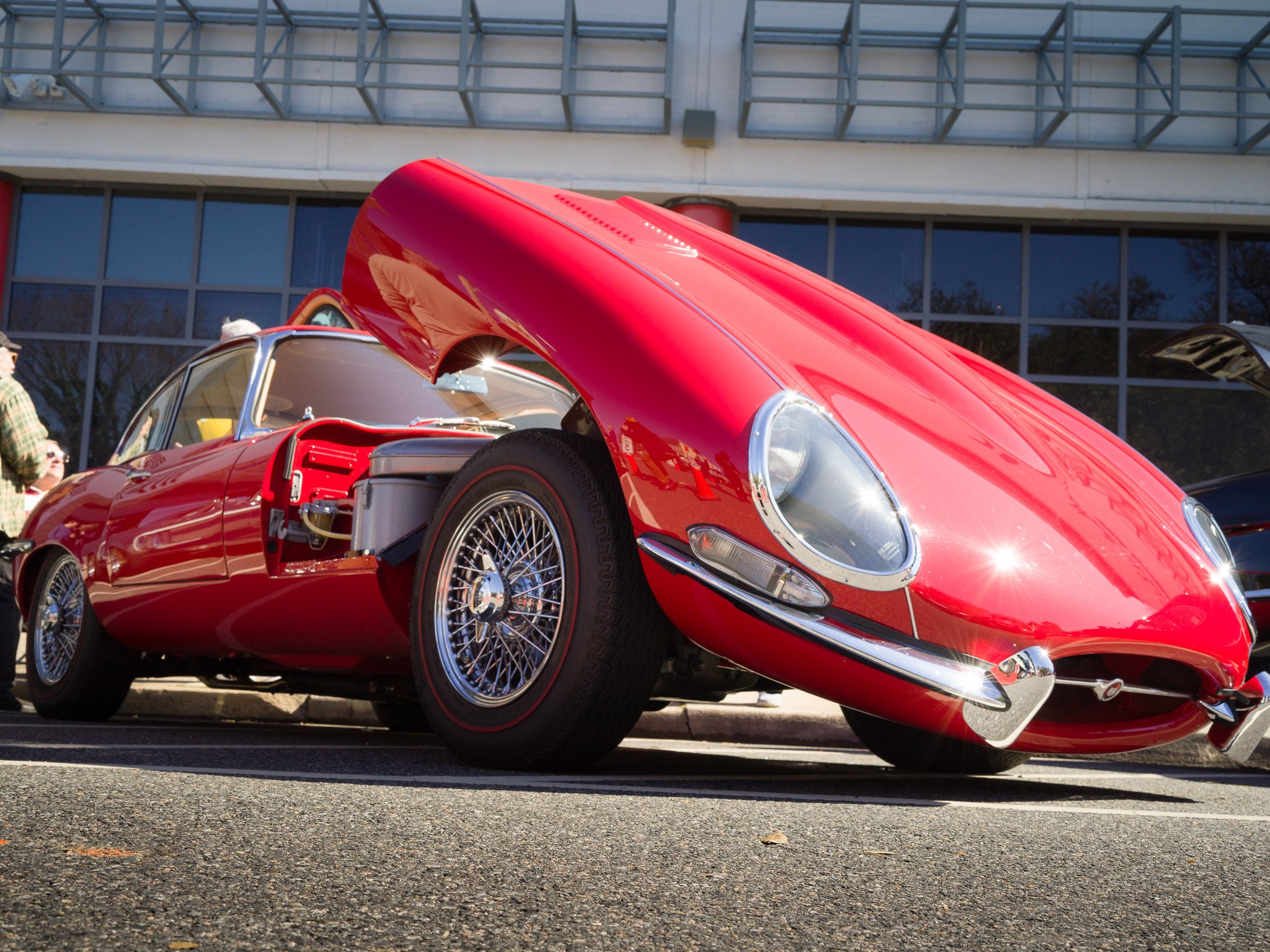
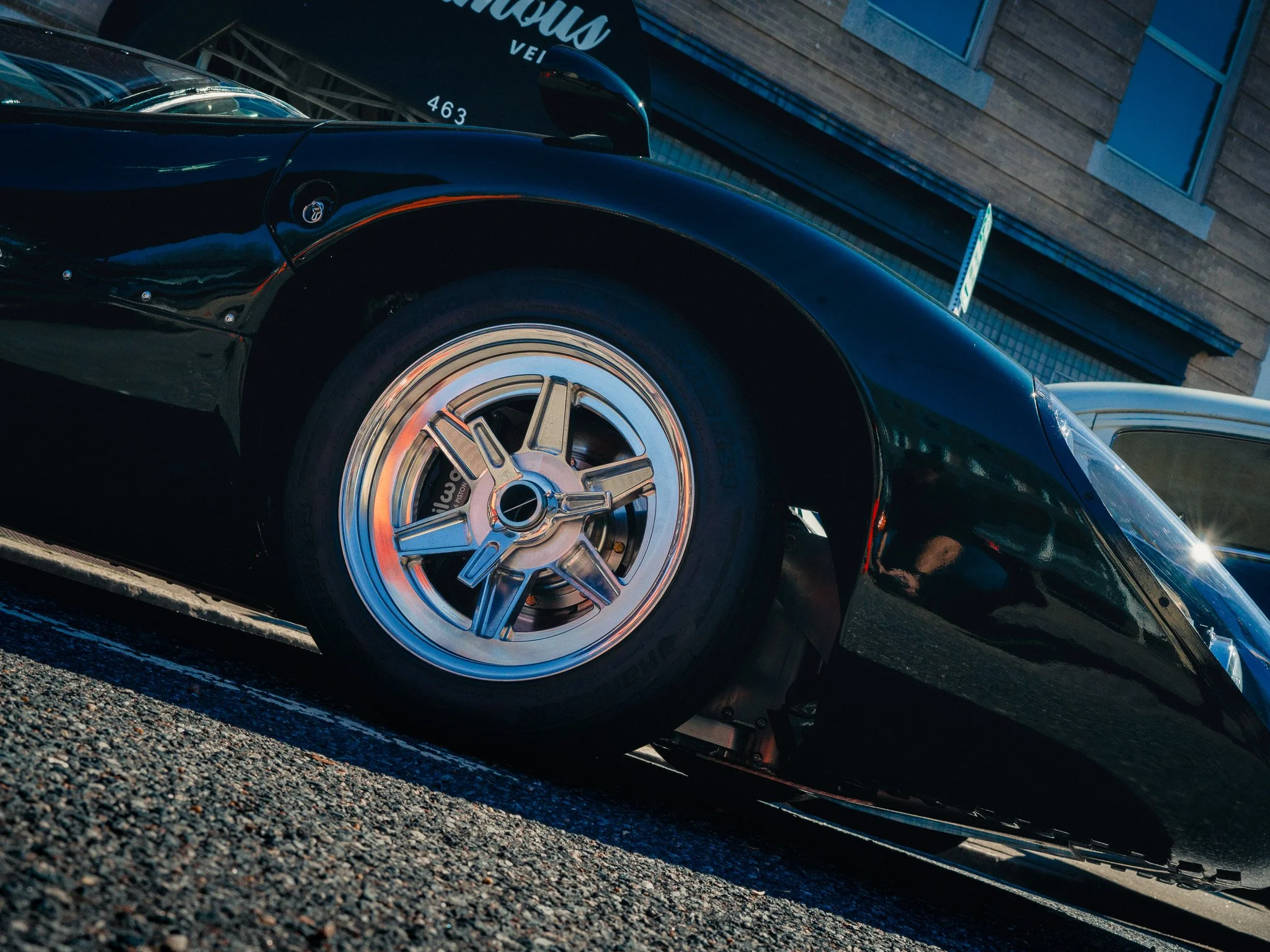
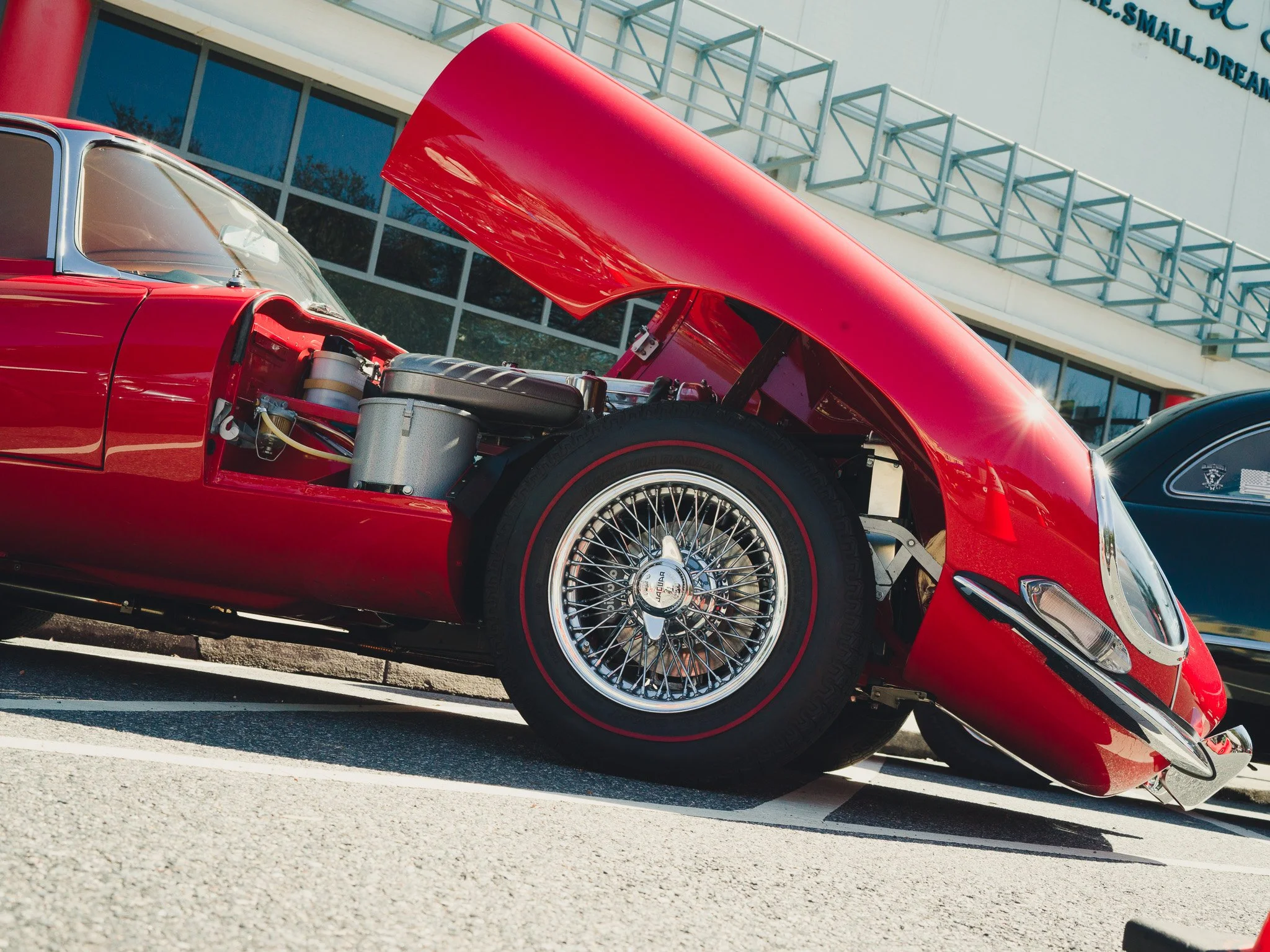
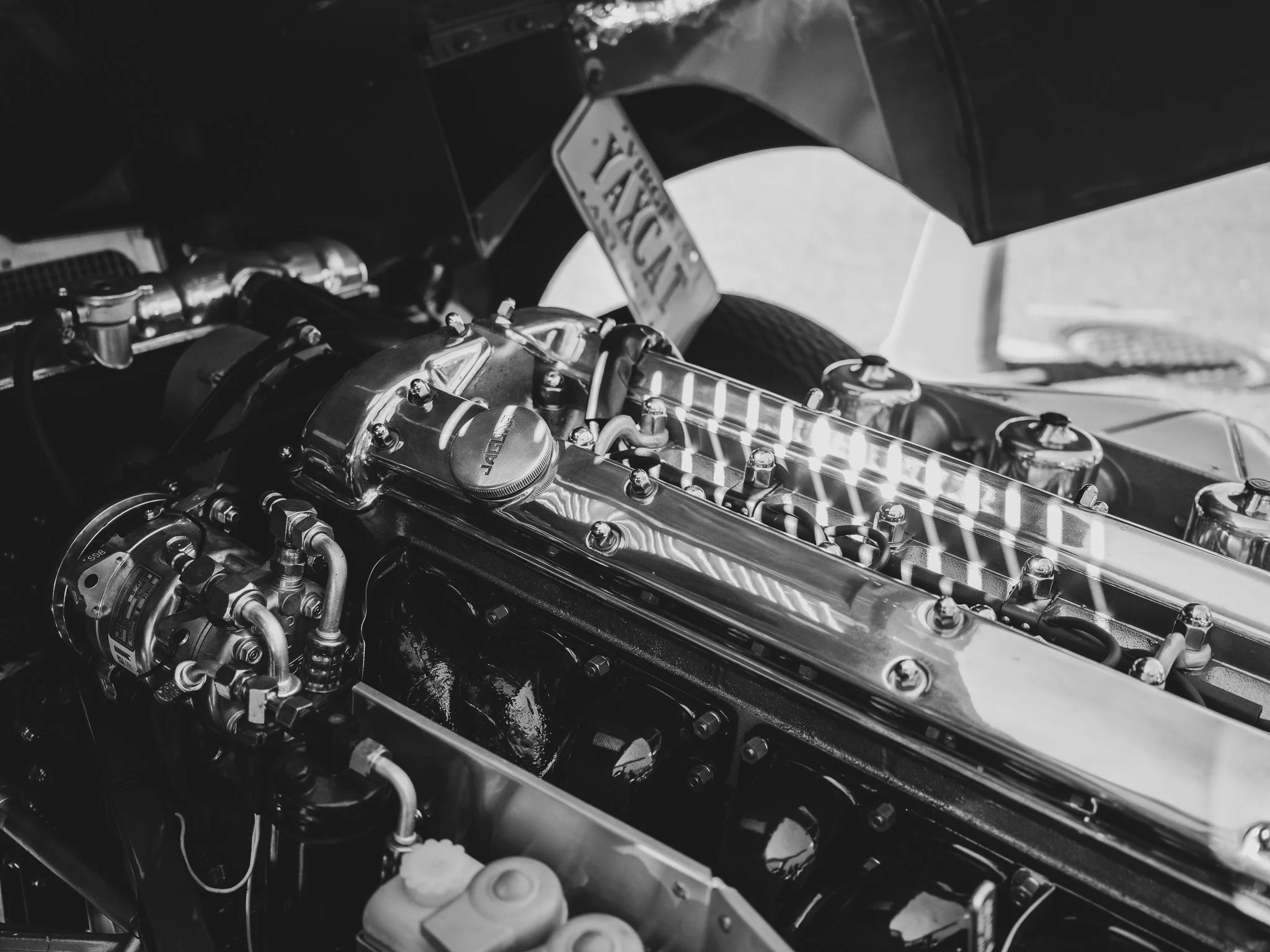
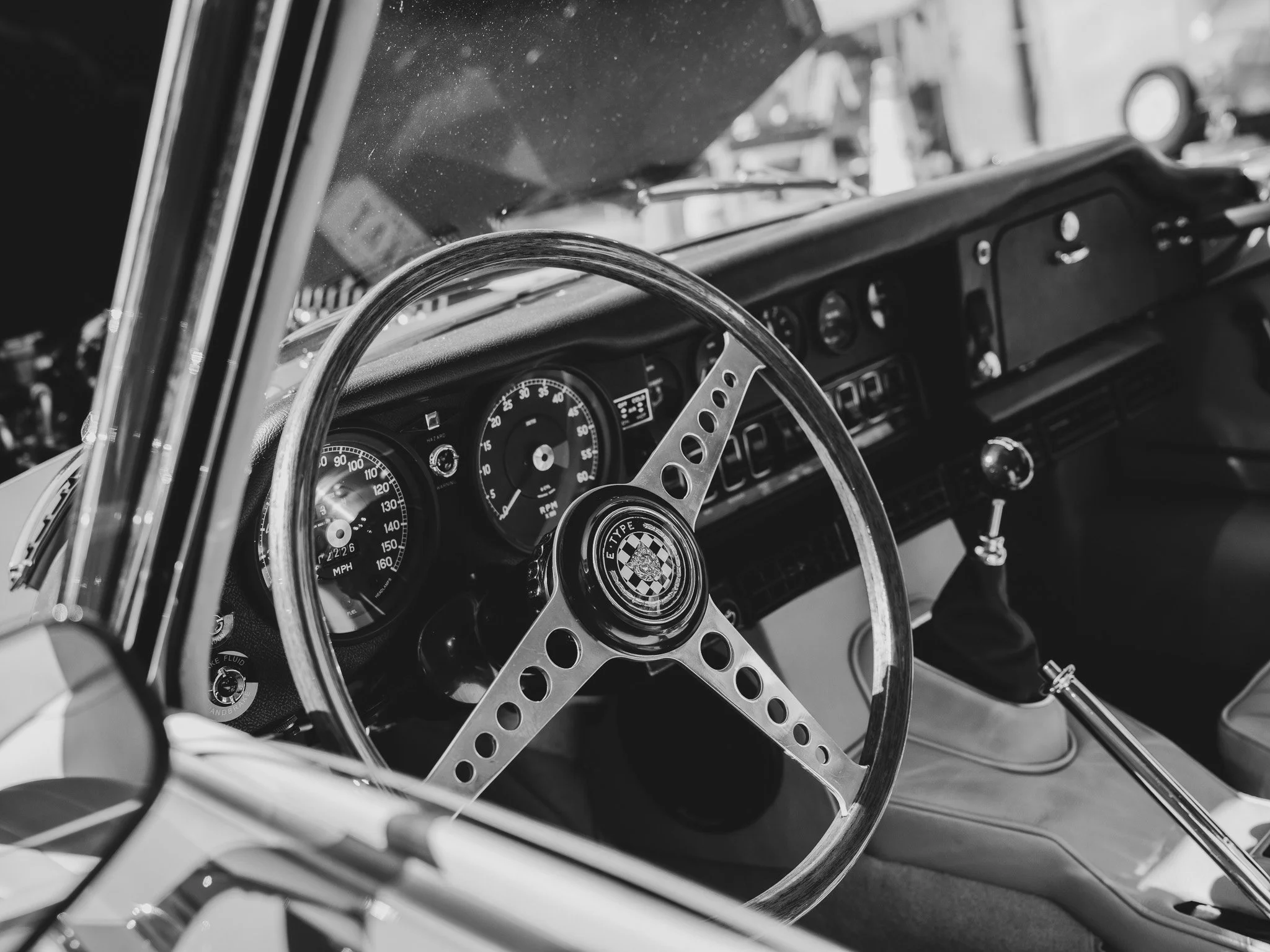
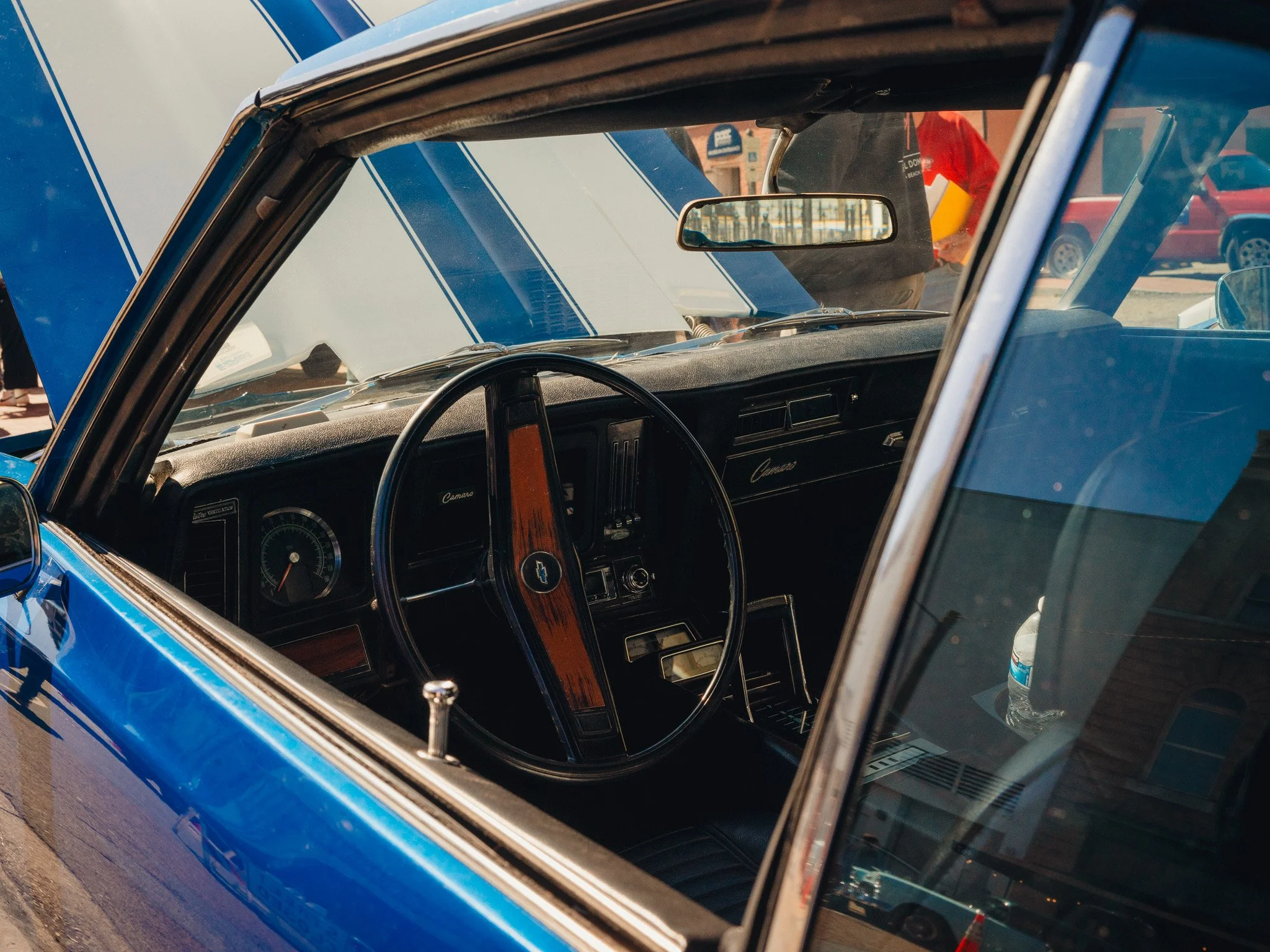
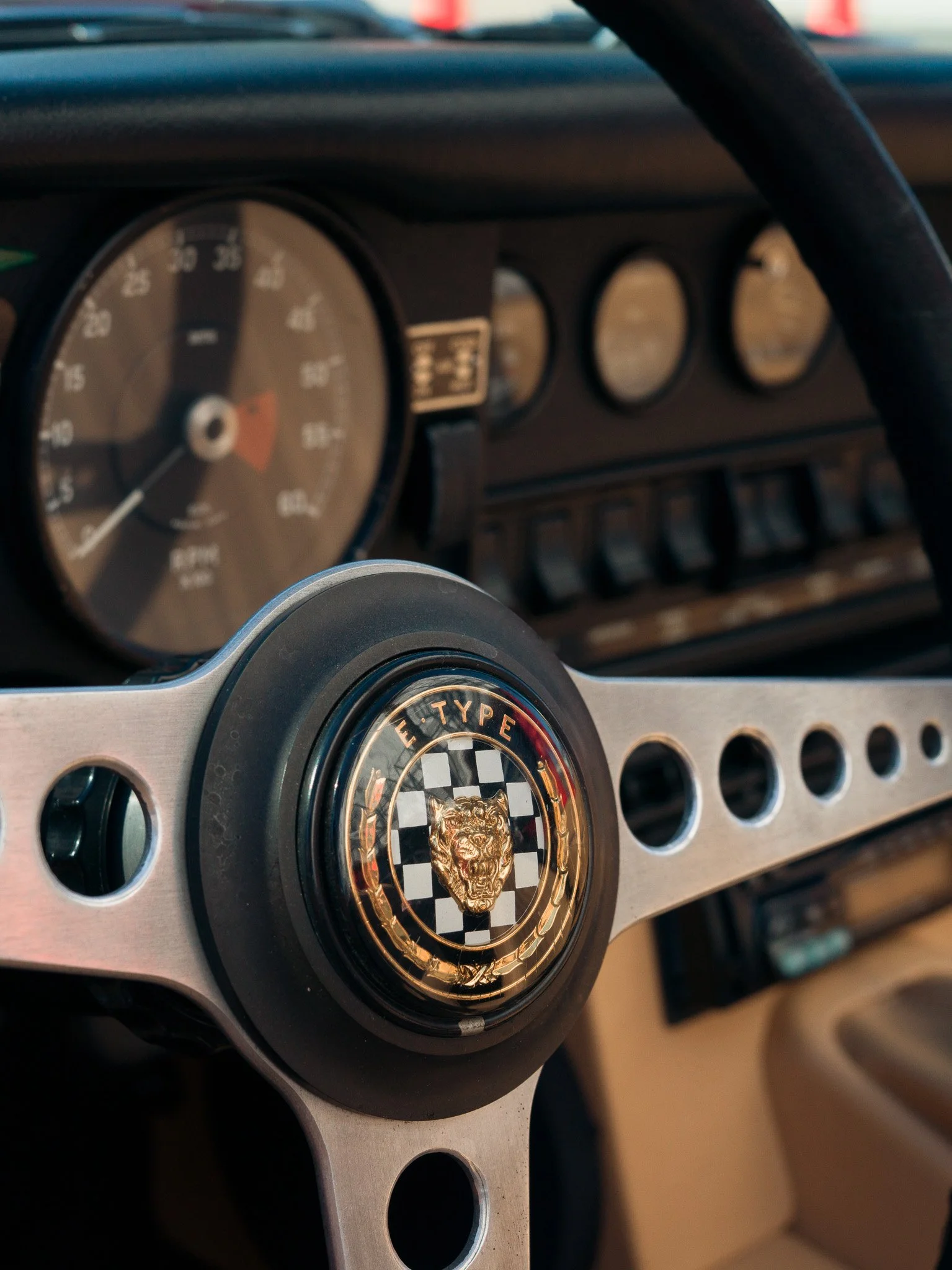
Eventually, we turned a corner, and we came across a street filled with classic cars. This was when the Hasselblad really started to shine. The 907x encouraged me to try shooting the cars from different angles; it allowed me to quickly (and comfortably) get down low or stick my arm out to shoot single-handed.
The day was bright, and it was getting close to noon, so the sun was high in the sky, but thankfully, the screen was not difficult to see for the most part. The light did make for some challenges because it was so bright out that it was easy to wash out some of the details in the cars' chrome. But I was impressed when I got back home and started editing the images, the highlight and shadow recovery was excellent.
Overall, the experience was good, and I really enjoyed shooting the 907x on this photowalk; unfortunately, I did run into some issues. Occasionally, after the screen went to sleep, it did not wake up as it should. A few times, I had to power it down and turn it back on to shoot again. Another time, it woke up, but the screen was jumbled; this may have been a glitch or a sign that the screen was having issues.
The last thing to consider is weather sealing. The Hasselblad 907x is not weather sealed, and it’s not a cheap camera. But if I am using this for landscape or street photography, do I take it out when there is any risk of rain? For the price, no. This is one point that has me seriously reconsidering this camera. I feel more comfortable with using my Leica M11 in light rain than I do with the Hasselblad.

Conclusion
Now I know many Hasselblad owners would, and rightly so, suggest that I should go with a Hasselblad X1D or X2D, but my motivation is more to give myself a third, different way of shooting. To me, the X1D/X2D feels too similar to the SL3 in shooting experience. Comparing images from the SL3 and the 907x 50c, the SL3 gets me close enough to medium format that my decision isn’t as affected by the full-frame vs medium-format choice.
Looking at it rationally, the Q2 is most likely the best option; it is faster and nimbler to use. Essentially, it is the Swiss Army knife of cameras, so if I had to choose between the two, I would recommend the Leica Q2. But if I were recommending which is a better second camera, that one is tougher to answer. If you want a completely different experience, then I would recommend the Hasselblad 907x, but you must realize what you are getting yourself into. If you are expecting quick, fast-paced shooting, this may not be the camera for you.
Because of the screen issues during the photowalk, I decided to return the camera. Granted, I could have gotten an extended warranty to cover it in case something happened, but at this point, I am not sure I am ready to let go of my Q2 just yet, and I am not sure whether the 907x has made me want to part with it. I do think I would like to try the Hasselblad 907x 100c to see how the experience compares to the 50C, but I will probably have to wait until the used prices come down on them first.
(If anyone from Hasselblad is reading this and wants to help make this happen sooner, feel free to reach out!)
I would like to avoid adding advertisements to my site. I dislike the experience of visiting a website and being bombarded with ads. To help support this, I ask that you consider using my affiliate links below when purchasing equipment.
As always, I recommend buying used from either MPB or KEH, both of which have a great return policy. If you do, please consider using my affiliate link to help me keep this site going!
Affiliate Links
I am not affiliated with Lensrental.com, but this is where I rent my equipment. If you're in the United States and considering renting cameras, lenses, or other equipment, please use the code below and give them a try. It will provide me with a small discount on future rentals, which will lead to more reviews!
https://share.lensrentals.com/x/8BG6mh
Sample Gallery